







What's Happening?
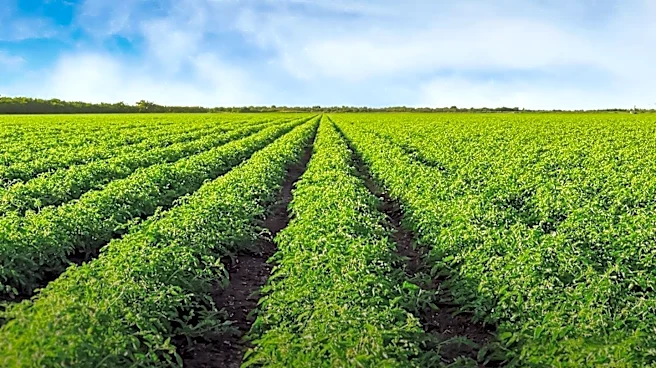
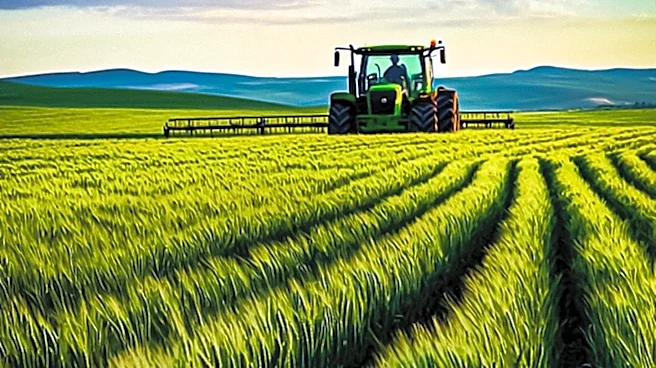
The global food industry is undergoing significant changes as climate change and supply chain disruptions put pressure on staple crops such as rice, corn, soybeans, and wheat. These four crops account for approximately 60% of global calorie consumption
and are primarily grown in a few critical regions, making them vulnerable to climate-related shocks. The prospect of a Super El Niño event, which could drastically reduce food production, highlights the urgency of the situation. As a result, food manufacturers are exploring alternative ingredients to improve resilience. Innovations such as cocoa-free chocolate, microbial proteins, and precision-fermented fats are gaining commercial interest as companies seek to diversify their supply chains and reduce dependence on vulnerable crops.
Why It's Important?
The shift towards alternative ingredients is crucial for the food industry's resilience against climate change and geopolitical tensions. By diversifying their ingredient sources, manufacturers can mitigate the risks associated with climate-related disruptions and price volatility. This transition not only impacts the food industry but also has broader implications for global food security and economic stability. As traditional crops face increasing pressure, the development and adoption of alternative ingredients could help stabilize food prices and ensure a steady supply of essential nutrients. However, this shift also poses challenges, such as regulatory hurdles and consumer acceptance, which need to be addressed to ensure a smooth transition.
What's Next?
As the food industry continues to adapt to these challenges, further investment in research and development of alternative ingredients is expected. Companies will likely focus on improving the scalability and cost-effectiveness of these new ingredients to make them viable for widespread use. Additionally, regulatory bodies may need to streamline approval processes to facilitate the adoption of novel food ingredients. Consumer education and marketing efforts will also play a crucial role in gaining acceptance for these alternatives. In the long term, a balanced approach that combines both conventional and alternative ingredients may emerge as the most sustainable solution for the industry.
Beyond the Headlines
The move towards alternative ingredients raises ethical and economic concerns, particularly for smallholder farmers in developing countries who rely on traditional crops for their livelihoods. The shift could potentially reduce demand for conventional ingredients, impacting the income of these farmers and the economies of countries dependent on crop exports. Furthermore, the production of alternative ingredients, such as precision fermentation, may be energy-intensive and concentrated in developed regions, raising questions about the equitable distribution of benefits. Addressing these issues will be essential to ensure that the transition to alternative ingredients supports global sustainability goals without exacerbating existing inequalities.