






What's Happening?
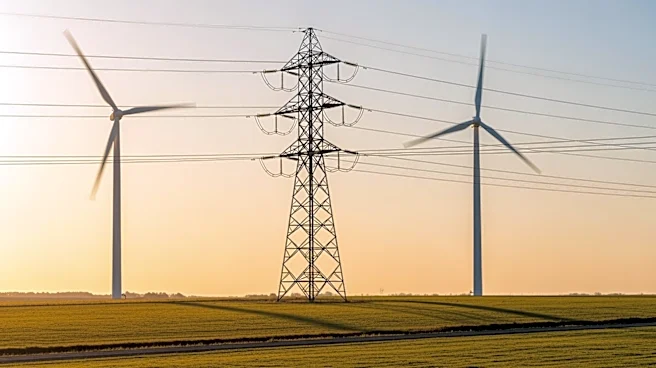
The clean technology sector is facing real constraints, such as grid interconnection delays and mineral supply chain issues, but these are not static challenges. The article argues that while these constraints are significant, they also present opportunities
for innovation and adaptation. For example, shortages in critical minerals like lithium and cobalt are driving shifts in battery chemistry and recycling efforts. Similarly, grid constraints are prompting the development of technologies that enhance grid efficiency and flexibility. The article emphasizes the importance of viewing constraints as dynamic challenges that can be addressed through strategic investment and policy changes.
Why It's Important?
Understanding and addressing constraints in the clean technology sector is crucial for the successful transition to a sustainable energy future. These constraints can impact the pace and cost of deploying clean technologies, affecting industries, consumers, and policymakers. By recognizing constraints as opportunities for innovation, stakeholders can develop solutions that enhance the resilience and efficiency of clean technology systems. This approach can lead to more sustainable and economically viable energy solutions, supporting global efforts to combat climate change and reduce reliance on fossil fuels.
What's Next?
The clean technology sector is expected to continue evolving as stakeholders address existing constraints through innovation and policy changes. This may involve increased investment in research and development, as well as collaboration between governments, businesses, and research institutions. As new technologies and solutions emerge, the sector could see shifts in market dynamics and competitive landscapes. Policymakers may also play a critical role in facilitating this transition by implementing supportive regulations and incentives.