




What's Happening?
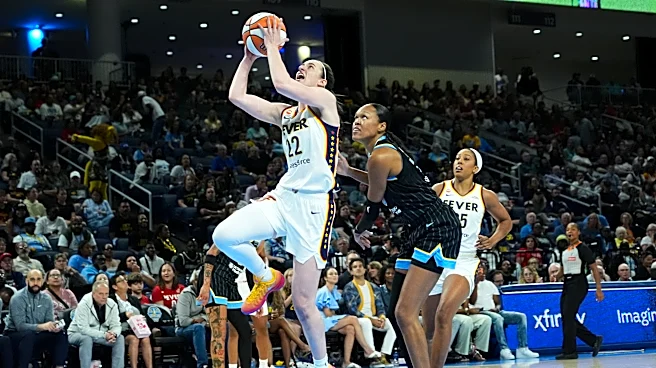
Former NBA player Enes Kanter Freedom was ejected from a WNBA game between the Chicago Sky and Indiana Fever on August 23, 2026, after a verbal altercation with Chicago Sky guard Natasha Cloud. Kanter Freedom, who has been vocal about the transgender
athlete debate, attended the game wearing a t-shirt stating, 'WOMAN noun. adult human female.' He had previously declared himself eligible for the 2027 WNBA draft on social media, claiming to identify as a woman. During a timeout in the third quarter, Cloud approached Kanter Freedom, leading to a shouting match. Security intervened, and Kanter Freedom was escorted out of Wintrust Arena. Cloud, who finished the game with 16 points and seven assists, later posted a message on social media expressing support for transgender individuals. Chicago Sky coach Tyler Marsh defended Cloud's actions, stating that the team stands by her for protecting those who need protection. The WNBA's collective bargaining agreement specifies that 'only players who are women are eligible to play in the WNBA,' but does not provide a further definition of 'woman' or a public policy on transgender or intersex athletes.
Why It's Important?
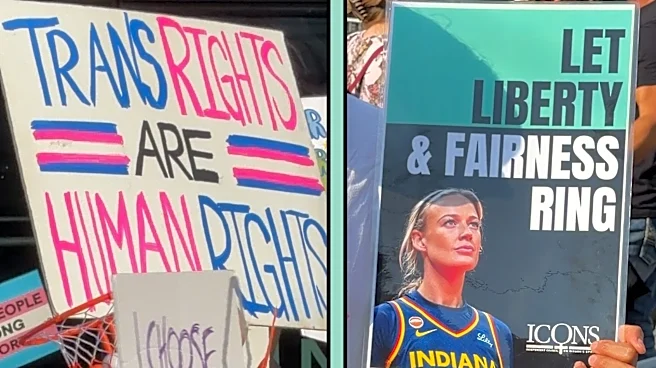
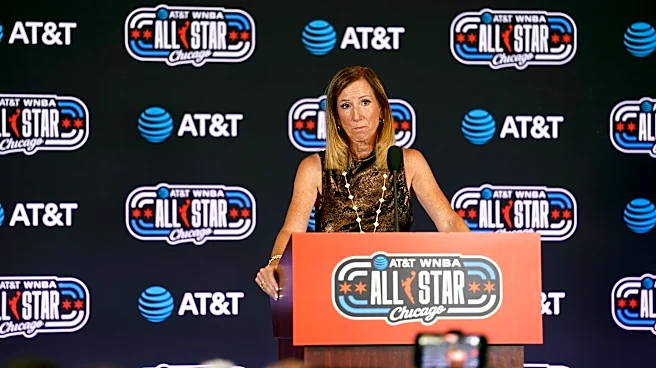
This incident highlights the escalating tensions and ongoing controversy surrounding transgender athletes' participation in women's sports within the WNBA. The league has become a focal point for this debate, despite no openly transgender women currently playing in the WNBA. The event underscores the deep divisions and strong opinions held by athletes, coaches, and the public on this issue. The WNBA Commissioner Cathy Engelbert has stated that the league is being used as a 'political football' by individuals with their own agendas, rather than genuine support for athletes or the growth of women's sports. The debate has led to various controversies, including a Seattle Storm co-owner's suspension for comments, and fans being asked to cover up shirts opposing transgender athletes. The U.S. Supreme Court's decision to uphold states' rights to ban transgender girls and women from participating in women's sports further contextualizes the legal and social landscape influencing this discussion, impacting a small but significant portion of the U.S. population.
What's Next?
The WNBA and Chicago Sky have not yet responded to requests for comment regarding the incident, indicating potential further statements or actions from the league. The ongoing scrutiny and public debate suggest that the WNBA may face continued pressure to clarify its policies regarding transgender athlete eligibility. Coaches across the league have expressed varied opinions, with some calling for more inclusivity and others expressing frustration with the politicization of the sport. The league's commissioner has already denounced 'bad faith actors' attempting to sow divisiveness, suggesting a potential for the WNBA to take a more definitive stance or implement clearer guidelines to manage the controversy. Future games and public appearances by players and figures involved in this debate could lead to further incidents or discussions, keeping the issue in the public eye. The broader legislative landscape, with 27 states having passed laws barring transgender girls and women from women's sports, indicates that this issue will remain a significant topic in U.S. sports and society.
Beyond the Headlines
The incident transcends a simple sports ejection, touching upon fundamental questions of identity, inclusion, and the definition of 'woman' in competitive sports. It exposes the ethical and social challenges faced by sports organizations in navigating evolving societal norms and legal frameworks. The WNBA, as a prominent women's professional sports league, finds itself at the intersection of these complex discussions, with its athletes often serving as public figures in broader cultural debates. The act of throwing sex toys onto the court in a previous game, as mentioned by Natasha Cloud, further illustrates the extreme and often disrespectful nature of some reactions to the transgender athlete debate. This situation highlights the pressure on public figures and institutions to take a stand on contentious social issues, and the potential for sports events to become platforms for political and social activism, whether intended or not. The long-term implications could include a re-evaluation of eligibility rules across various sports leagues and a continued societal dialogue on gender identity and fairness in competition.