


What's Happening?
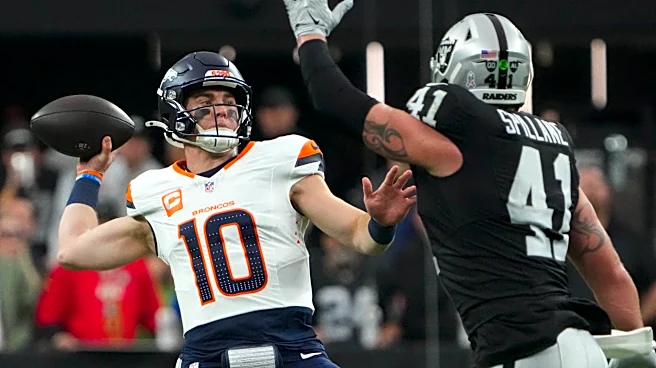
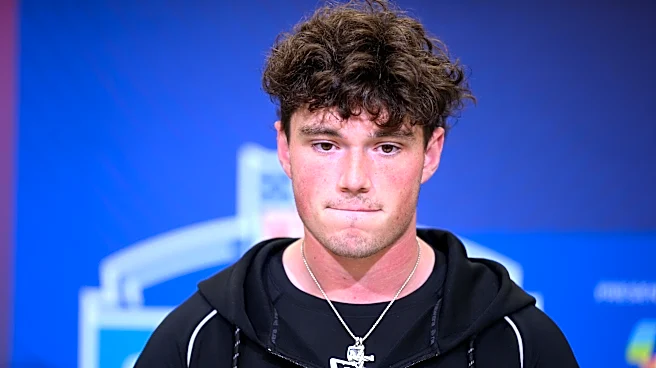
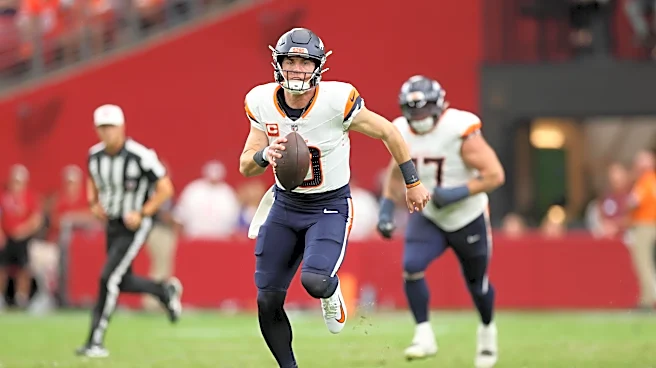
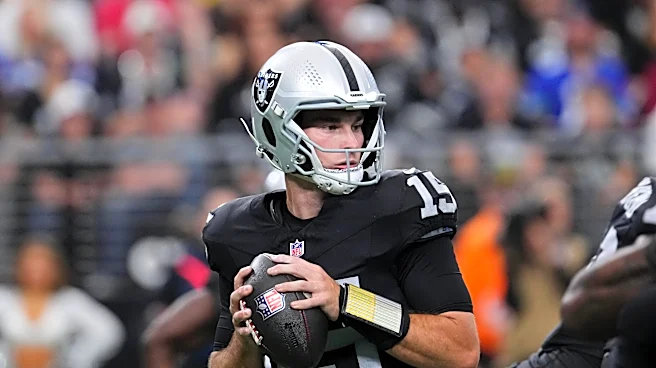
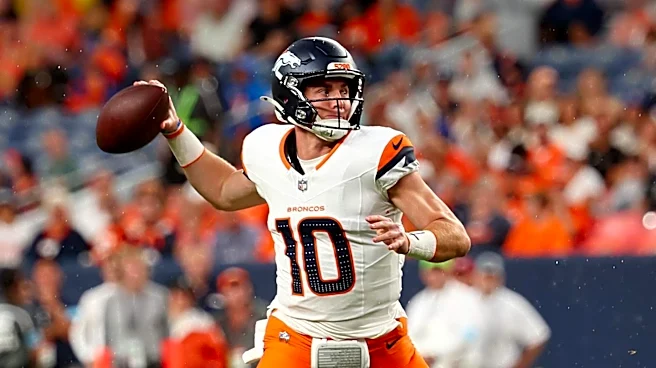
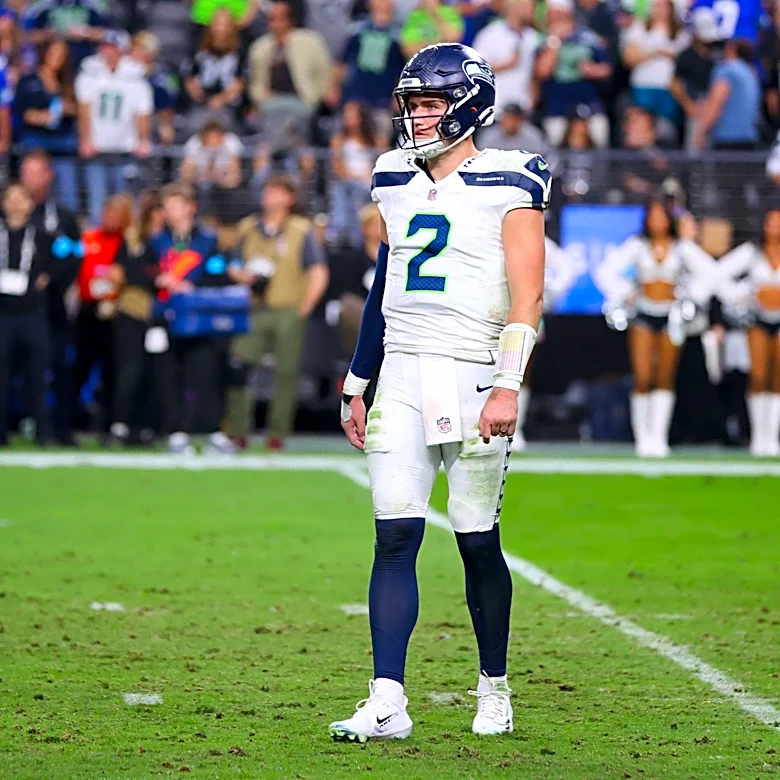
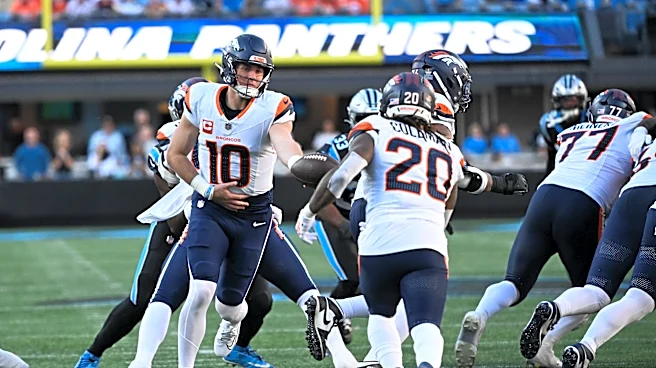
Denver Broncos quarterback Bo Nix has publicly expressed support and advice for Las Vegas Raiders rookie quarterback Fernando Mendoza as Mendoza prepares for his second NFL start against the Broncos in Week 11. Nix, who recently went through his own rookie season
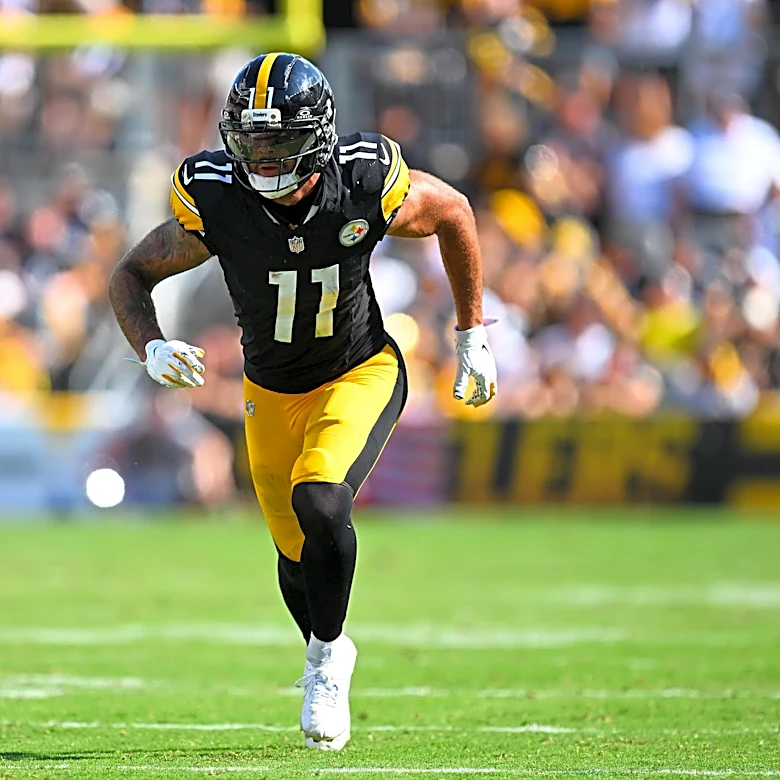
adjustments, acknowledged the significant challenges Mendoza faces, particularly playing against elite defensive units in consecutive games. Nix reflected on his own second NFL start, which resulted in a 13-6 loss to the Pittsburgh Steelers where he threw two interceptions. He emphasized that the initial stages of a rookie quarterback's career are inherently difficult and that the professional football environment offers little leeway for learning and development. Despite being on opposing teams for the upcoming game at Empower Field at Mile High, Nix conveyed confidence in Mendoza's potential, citing his intelligence and experience in high-pressure college games as factors that will contribute to his improvement. Mendoza's first start in Week 10 against the Seattle Seahawks saw a strong first half, followed by a challenging second half where the Raiders' offense struggled, gaining only two first downs and Mendoza absorbing six sacks.
Why It's Important?
This display of sportsmanship from Bo Nix highlights a less common but significant aspect of professional sports: peer mentorship and empathy among competitors. In a league often characterized by intense rivalries and individual performance pressures, Nix's comments offer a glimpse into the shared experiences and challenges faced by players, particularly those in demanding positions like quarterback. For Mendoza, receiving public encouragement from a more experienced peer, even from a rival team, could be a morale booster as he navigates the early, high-pressure stages of his NFL career. This interaction also underscores the demanding nature of the quarterback position in the NFL, where rookies are expected to perform at a high level almost immediately, often without the benefit of a gradual adjustment period. The narrative also subtly emphasizes the competitive landscape of the NFL, where even promising young players face immediate scrutiny and formidable opposition, shaping their development and resilience.
What's Next?
Fernando Mendoza is set to make his second NFL start against Bo Nix's Denver Broncos in Week 11. This game will be a crucial test for Mendoza, as he continues to adapt to the speed and complexity of the professional game, facing another strong defensive unit. His performance will be closely watched by Raiders coaching staff, fans, and analysts as they assess his potential for the future. For Bo Nix, the focus will be on leading the Broncos to a victory against a divisional rival, while also continuing his own development as a starting NFL quarterback. The interaction between the two quarterbacks, particularly Nix's supportive words, may add an interesting subplot to the upcoming game, showcasing a moment of camaraderie amidst fierce competition. The Raiders will be looking for Mendoza to show improvement and help the team break its two-game losing streak, which could impact their playoff aspirations.
Beyond the Headlines
Beyond the immediate competitive context, Nix's gesture reflects a broader understanding within the NFL community about the unique pressures and developmental curve for rookie quarterbacks. It subtly challenges the often-cutthroat perception of professional sports by demonstrating a degree of collegiality and shared experience. This kind of public support can contribute to a more positive narrative around player development, emphasizing growth and resilience over immediate, unforgiving judgment. It also highlights the psychological aspect of the game, where confidence and mental fortitude are as crucial as physical talent. For young players entering the league, knowing that even established players recognize the difficulty of their transition can be a valuable, if indirect, form of support, potentially fostering a more supportive environment for emerging talent in the long run. This interaction could also serve as a model for how veteran players can positively influence the league's culture.