




What's Happening?
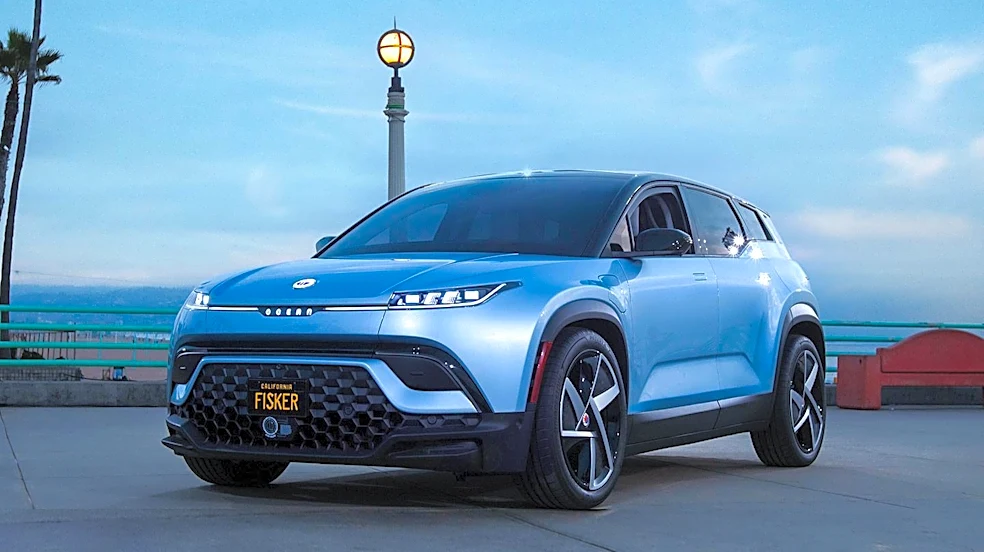
Fisker Inc., the electric vehicle manufacturer founded by Henrik Fisker, filed for Chapter 11 bankruptcy on June 17, 2024. The company, which began production of its all-electric Ocean SUV in 2022, stated that an asset sale is the most viable path forward.
This marks the second automotive venture by Henrik Fisker to face bankruptcy, following Fisker Automotive which went bankrupt after issues with its battery supplier and was later acquired by Wanxiang. Fisker Inc. had previously raised over $1 billion to go public in 2020 through a SPAC business combination. The current professional activities of Henrik Fisker are not confirmed by available sources, suggesting readers should consult his official channels for the latest information.
Why It's Important?
The bankruptcy of Fisker Inc. highlights the significant challenges and volatility within the electric vehicle market, particularly for newer entrants. Despite substantial initial investment and the launch of a production vehicle, the company was unable to sustain operations. This event could signal a period of consolidation in the EV sector, where smaller manufacturers struggle to compete with established automotive giants and well-capitalized EV leaders. For consumers, it raises concerns about the long-term viability of EV startups and the support for their vehicles. Investors in the EV space may become more cautious, scrutinizing business models and financial stability more closely before committing capital. The broader automotive industry will likely observe this development as a case study in the difficulties of scaling EV production and achieving profitability.
What's Next?
The immediate next step for Fisker Inc. is to proceed with an asset sale as outlined in its Chapter 11 bankruptcy filing. This process will involve identifying buyers for its remaining assets, which could include intellectual property, manufacturing equipment, and any unsold vehicle inventory. The outcome of the asset sale will determine the future, if any, of the Fisker brand and its technologies. For customers who purchased Fisker Ocean SUVs, the bankruptcy raises questions about warranty support, parts availability, and potential resale value. It is likely that other EV startups will closely monitor the proceedings to understand the implications for their own business strategies and funding efforts. The broader market may see increased scrutiny on the financial health of other emerging EV companies.
Beyond the Headlines
The repeated bankruptcy of ventures led by Henrik Fisker, a renowned automotive designer, points to deeper systemic challenges beyond individual leadership. It underscores the immense capital requirements, complex supply chain management, and intense competition inherent in the automotive industry, particularly in the nascent EV sector. This situation could lead to a re-evaluation of the SPAC model for bringing capital-intensive companies to public markets, as it may not always provide sufficient long-term stability. Ethically, the bankruptcy raises questions about consumer protection in a rapidly evolving market, especially regarding the longevity of product support for innovative but financially fragile companies. Culturally, it reflects the ongoing tension between ambitious technological innovation and the practical realities of mass production and market acceptance in the automotive world.