


What's Happening?
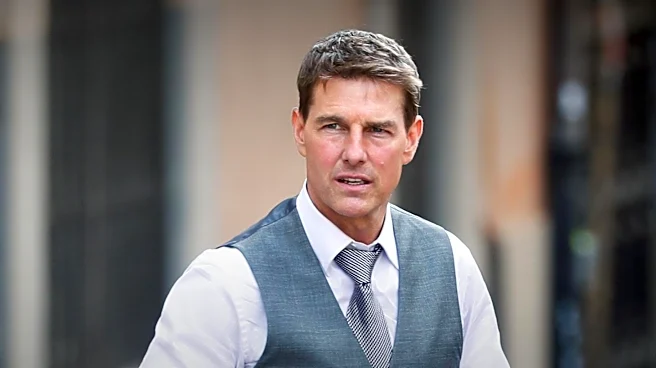
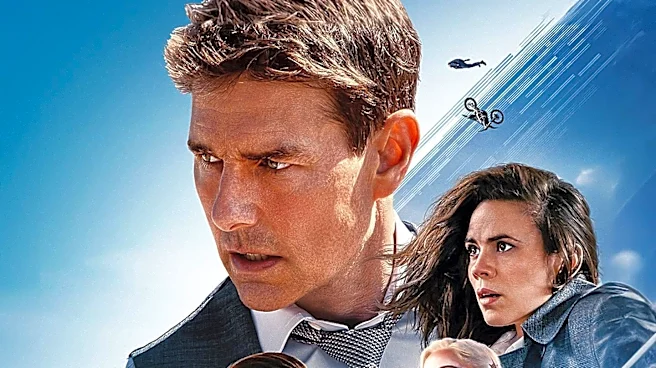
Ten years after its release, Tom Cruise's role as Jack Reacher in 'Jack Reacher: Never Go Back' is being re-examined. Cruise, known for his action roles, took on the character from Lee Child's novels, despite significant physical differences from the book's
description. The character of Jack Reacher in the novels is depicted as over six feet tall and heavily muscled, while Cruise is considerably shorter and lighter. This casting initially caused an uproar among fans of the book series. However, both the 2012 film 'Jack Reacher' and its 2016 sequel, 'Jack Reacher: Never Go Back,' achieved positive reviews and box office success. The sequel, directed by Edward Zwick with Christopher McQuarrie as producer, follows Reacher as he uncovers a conspiracy while on the run with an Army major framed for espionage. Despite the physical mismatch, Cruise's performance was largely accepted by movie audiences, demonstrating his ability to embody the action hero persona.
Why It's Important?
The discussion around Tom Cruise's portrayal of Jack Reacher highlights a recurring tension in Hollywood adaptations: the balance between source material fidelity and star power. Cruise's casting, despite not aligning with the physical description of the literary character, demonstrates the significant influence an actor's established persona and box office appeal can have on a film's success. This situation underscores how filmmakers sometimes prioritize marketability and an actor's proven ability to carry an action franchise over strict adherence to character descriptions from books. The success of the 'Jack Reacher' films with Cruise, despite initial fan backlash, indicates that a compelling performance and engaging storyline can sometimes override physical discrepancies for a broader movie-going audience. This also sets a precedent for how future adaptations might navigate similar casting challenges, weighing fan expectations against commercial viability and creative interpretation.
What's Next?
The ongoing discussion about Tom Cruise's Jack Reacher portrayal, especially in light of the Prime Video series starring Alan Ritchson, suggests a continued debate among fans and critics regarding character adaptation. While Cruise's films offered one interpretation, Ritchson's portrayal in the TV series aligns more closely with the physical description from the novels, providing fans with two distinct versions of the character. This dual existence allows for a comparative analysis of what makes a successful adaptation—whether it's physical accuracy, thematic resonance, or an actor's charisma. Future adaptations of popular book series may draw lessons from both approaches, considering how to satisfy both loyal book fans and a wider cinematic audience. The success of both versions indicates that there isn't a single formula for adapting beloved literary characters, and different mediums can offer varied, yet successful, interpretations.
Beyond the Headlines
The 'Jack Reacher' casting controversy delves into deeper questions about the nature of adaptation and audience expectations. It highlights the subjective experience of character interpretation; what one reader envisions, another may not. Cruise's success in the role, despite physical differences, suggests that the essence of a character—their attitude, capabilities, and moral compass—can sometimes transcend physical appearance. This raises philosophical questions about what truly defines a character in the collective consciousness. Furthermore, the existence of two successful, yet physically disparate, interpretations of Jack Reacher (Cruise's and Ritchson's) illustrates the evolving landscape of media consumption, where audiences are increasingly comfortable with multiple, parallel versions of beloved stories and characters across different platforms. This trend could lead to more diverse and experimental adaptations in the future, challenging traditional notions of fidelity to source material.