



What's Happening?
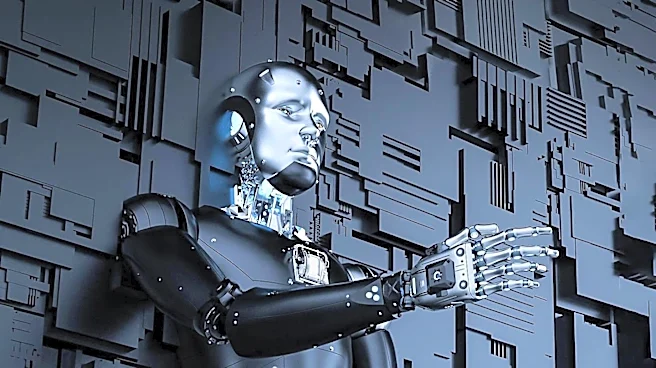
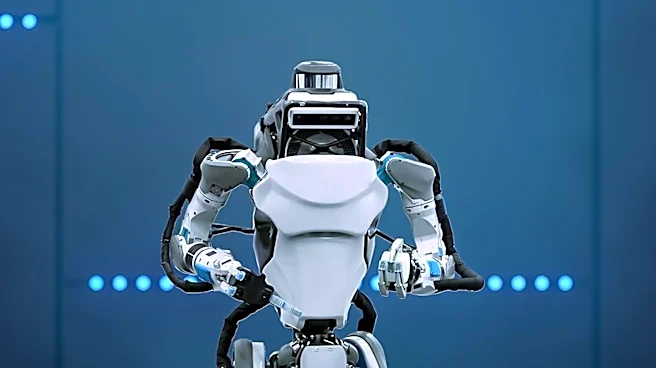
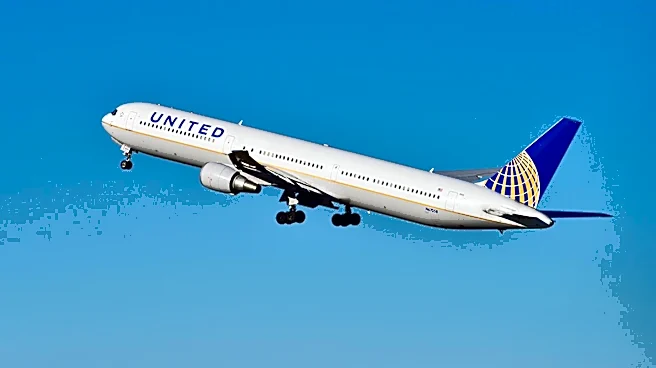
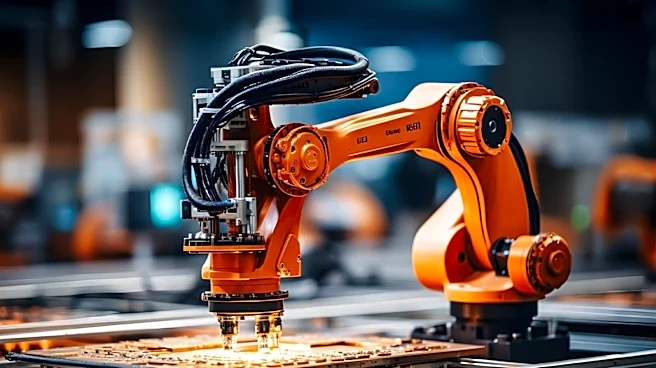
United Airlines has implemented a ban on humanoid and animal-like robots from both the cabin and checked baggage, effective July 23, 2026. This decision follows a similar policy adopted by Southwest Airlines earlier this year after incidents involving
robot passengers gained attention. United's policy is primarily driven by safety concerns related to the large lithium-ion batteries these robots often contain, which pose a fire risk if damaged or improperly handled. The airline has instructed its staff to monitor for any attempts to board or check in these prohibited robots and to coordinate their removal if necessary.
Why It's Important?
The ban on humanoid and animal-like robots by United Airlines highlights the growing challenges airlines face with emerging technologies. As robots become more prevalent, airlines must address safety and operational concerns, particularly regarding battery safety. This policy reflects a proactive approach to ensuring passenger and crew safety, which is paramount in the aviation industry. The decision also underscores the need for regulatory frameworks to keep pace with technological advancements, ensuring that safety standards are maintained as new devices are introduced into public spaces.
What's Next?
United Airlines has indicated that it will continue to evaluate the policy as technology evolves, suggesting that future adjustments could be made to accommodate safe transport of such devices. This ongoing assessment will likely involve collaboration with regulatory bodies and industry stakeholders to develop comprehensive guidelines for the safe integration of robots in air travel. The airline industry may also see increased dialogue around the implications of artificial intelligence and robotics, potentially influencing future policies and innovations.