









What's Happening?
The use of per- and polyfluoroalkyl substances (PFAS), known as 'forever chemicals,' in renewable energy technologies is under scrutiny as nations consider bans on these substances due to their environmental persistence and health risks. PFAS are used
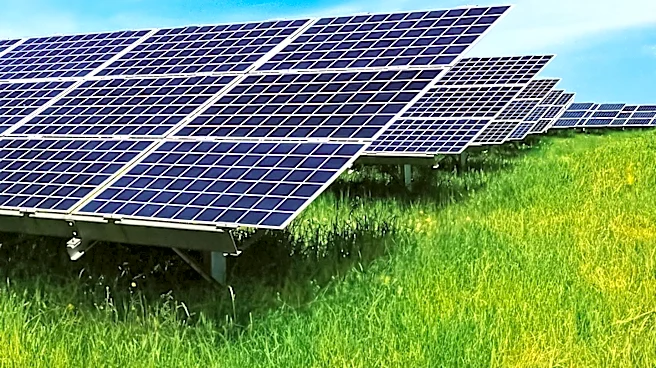
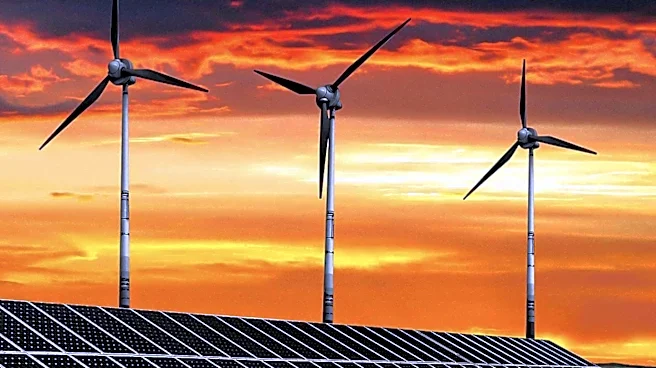
in various green technologies, including solar panels and wind turbines, due to their resistance to extreme conditions. However, exposure to PFAS is linked to health issues such as cancer and developmental delays. The European Union is considering a broad ban on PFAS, while the chemical industry argues that such restrictions could hinder climate and energy goals. The Performance Fluoropolymer Partnership, representing major chemical companies, claims that fluoropolymers are essential for the clean energy transition.
Why It's Important?
The debate over PFAS highlights the complex balance between advancing clean energy technologies and addressing environmental and health concerns. As the world seeks to transition to renewable energy, the reliance on PFAS poses a challenge, given their potential to cause long-term environmental harm. The outcome of this debate could influence regulatory policies and the development of alternative materials, impacting the pace and cost of the clean energy transition. It also underscores the need for sustainable practices in the production and use of green technologies.
Beyond the Headlines
The controversy over PFAS in renewable energy technologies raises broader questions about the sustainability of current industrial practices and the ethical implications of prioritizing technological advancement over environmental health. The push for PFAS-free alternatives reflects a growing awareness of the need for safer, more sustainable solutions in the fight against climate change. This situation also highlights the role of industry and government in ensuring that technological progress does not come at the expense of public health and environmental integrity.