







What's Happening?
Dragon Tiny Homes has unveiled a new iteration of its Vista tiny house, designed for practical full-time living within a compact, towable footprint. This custom model, measuring 24 feet (7.3 meters) in length, is built on a double-axle trailer and features
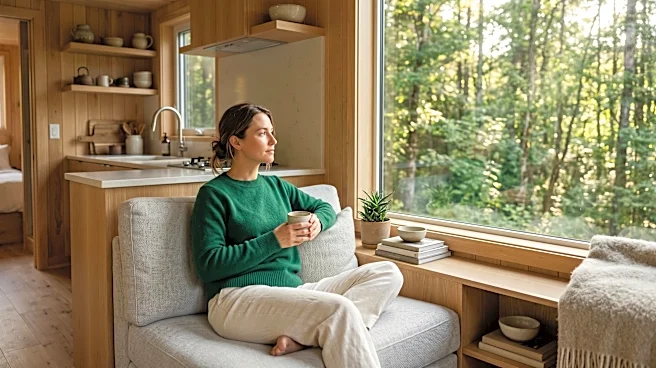
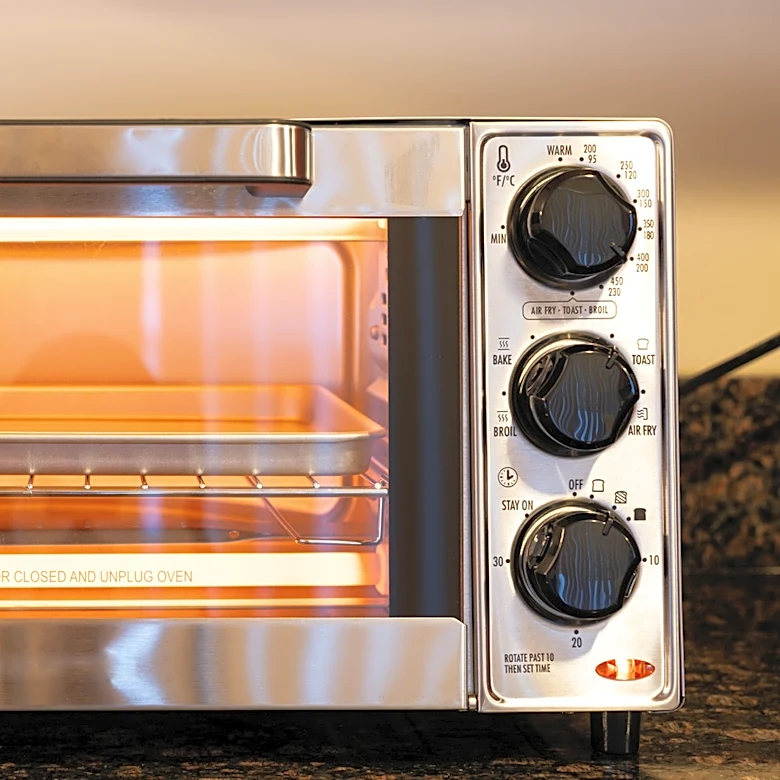
an exterior finished with timber and metal accents, along with extensive glazing for natural light. The interior, spanning 204 square feet on the ground floor, includes an open living room with a sofa, a projector and pull-down screen, and a dedicated home office area with a desk and chair. The kitchen is equipped with a sink, an oven with a four-burner propane-powered stove, a small fridge, a washer/dryer, and even a dishwasher, a rare amenity for a tiny house of this size. Storage is integrated into the staircase, and quartz counters complete the kitchen space. The bathroom, located on the ground floor, features a walk-in shower, a vanity sink, and a flushing toilet. Upstairs, two bedrooms are situated at opposite ends of the home, with the main loft accessible via the storage-integrated staircase and the secondary loft reached by a removable wooden ladder. The Vista range from Dragon Tiny Homes starts at US$60,000.
Why It's Important?
This development is important as it addresses the growing demand for sustainable and minimalist living solutions in the U.S. The introduction of a highly functional, road-ready tiny house like the Vista by Dragon Tiny Homes provides a viable option for individuals and families seeking to reduce their carbon footprint, lower living costs, and embrace a more mobile lifestyle. The inclusion of amenities such as a dishwasher and washer/dryer in a compact space highlights advancements in tiny home design, making full-time living more comfortable and convenient. This trend impacts the housing market by offering alternatives to traditional homes, potentially influencing urban planning and zoning regulations to accommodate smaller dwellings. Furthermore, the emphasis on portability caters to a demographic interested in travel and flexibility, contributing to the evolving landscape of residential preferences and challenging conventional notions of homeownership.
What's Next?
The success and adoption of models like the Vista could lead to increased innovation in the tiny home sector, with manufacturers focusing on integrating more advanced features and sustainable technologies into compact designs. We may see a rise in demand for customizable tiny homes, prompting builders to offer a wider range of personalized options to meet diverse consumer needs. Local governments and communities might also begin to re-evaluate zoning laws and building codes to better accommodate tiny houses, potentially leading to the creation of more tiny home communities or designated areas for such dwellings. Additionally, the market could see an influx of financing options specifically tailored for tiny homes, making them more accessible to a broader audience. The continued evolution of eco-friendly materials and energy-efficient systems will likely be a key focus for future tiny home developments, further solidifying their role in sustainable living.
Beyond the Headlines
The emergence of sophisticated tiny homes like the Vista reflects a broader cultural shift towards minimalism, environmental consciousness, and financial prudence. Beyond the practical benefits of reduced living expenses and a smaller ecological footprint, tiny homes represent a philosophical embrace of 'less is more,' encouraging a re-evaluation of consumerism and material possessions. This movement challenges traditional American ideals of large homes and expansive properties, promoting a lifestyle focused on experiences rather than accumulation. The design ingenuity required to maximize space and functionality in tiny homes also fosters creativity and problem-solving, influencing architectural trends beyond the tiny house niche. As more people opt for these alternative living arrangements, there could be a ripple effect on community structures, social interactions, and even the definition of 'home' in modern society, fostering a greater sense of community among like-minded individuals.