


What's Happening?
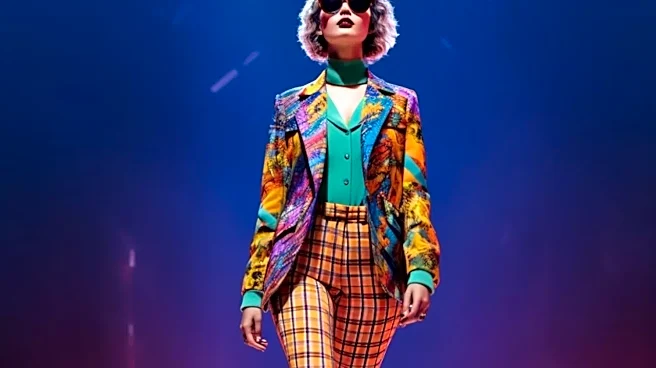
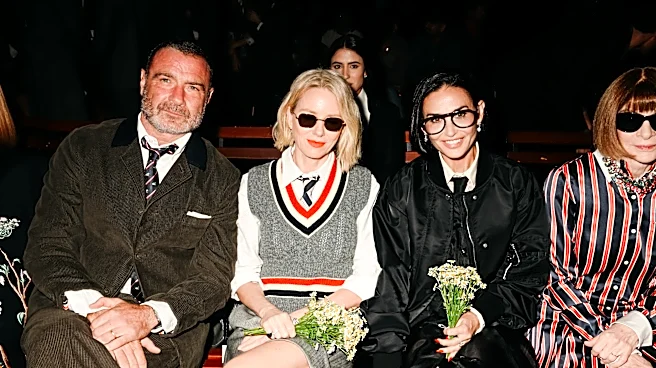
New York Fashion Week recently showcased a significant shift in fashion trends, moving away from the 'quiet luxury' aesthetic towards 'joyful dressing.' Designers reimagined spring staples, incorporating vibrant colors, dynamic movement, and striking
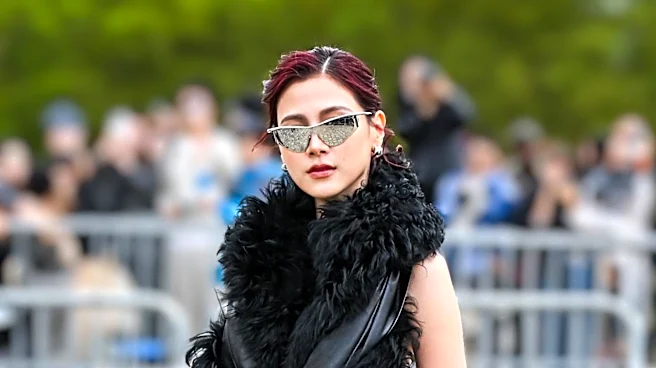
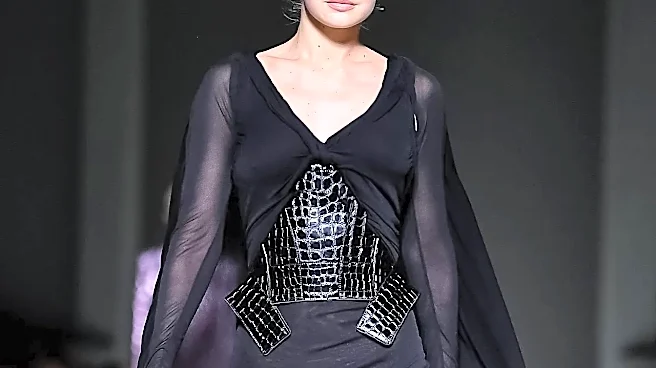
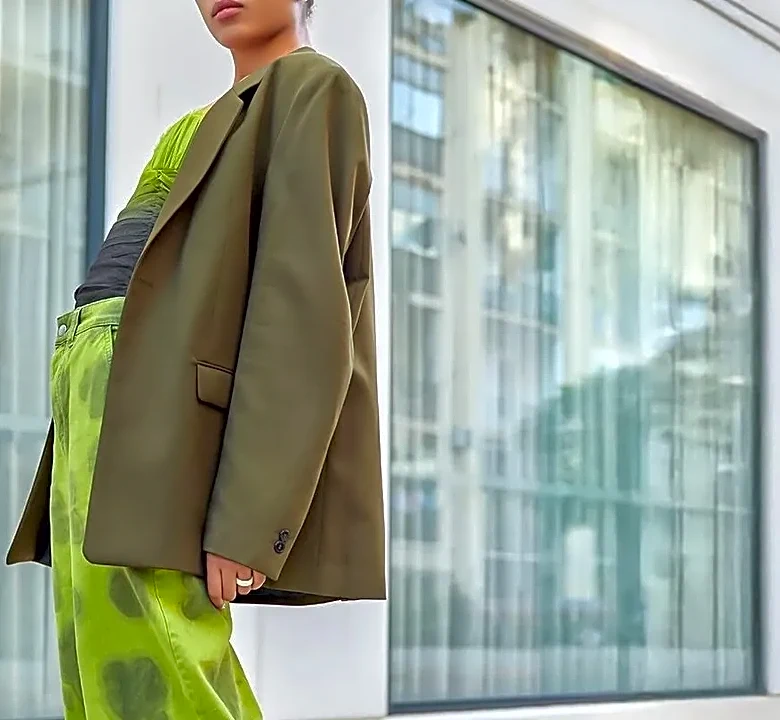
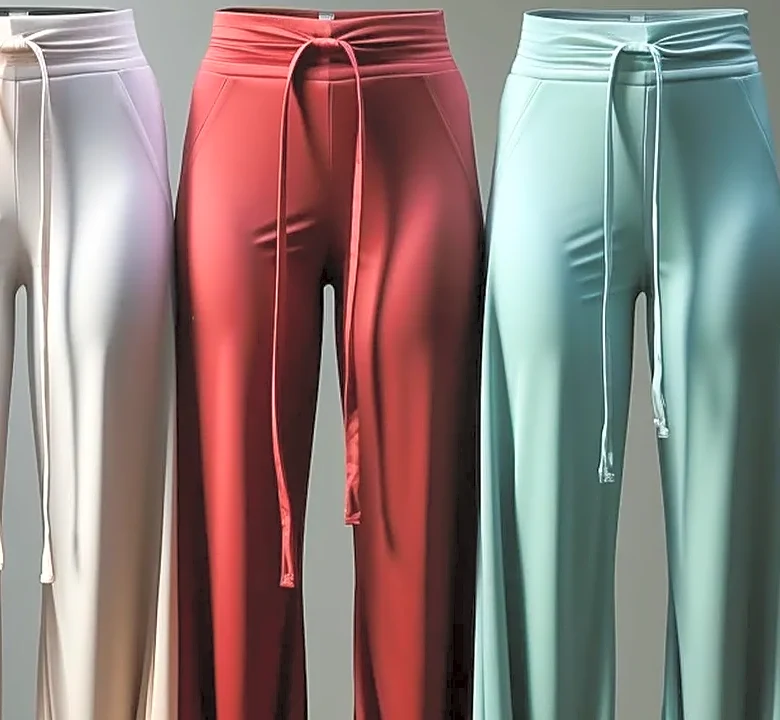
contrasts. Brands like Coach, Michael Kors, and Thom Browne celebrated milestones with collections that emphasized ingenuity, originality, and personal style. InStyle Fashion director Kevin Huynh noted that this trend is not about haphazard 'dopamine dressing' but a deliberate embrace of vibrancy and excitement. For instance, Coach featured party hats and glittering gowns, while Eckhaus Latta celebrated its J.Crew collaboration with confetti. Tory Burch's collection focused on opulent femininity contrasted with utilitarian sportswear, and Ralph Lauren highlighted romance and personal style. This season also saw a prevalence of blue shades across various collections, from Ralph Lauren's denim and satin to Tommy Hilfiger's nautical-inspired primary colors and Henry Zankov's teal for Diane von Furstenberg. Additionally, designers accentuated waistlines with cummerbunds, scarves, and chunky belts, and introduced fringe to add freedom of movement and fluidity to garments.
Why It's Important?
This shift in fashion trends from 'quiet luxury' to 'joyful dressing' reflects broader societal sentiments and consumer desires in the U.S. The move towards more vibrant, expressive, and personalized styles indicates a potential rebound in consumer confidence and a desire for optimism and celebration. For the U.S. fashion industry, this trend could lead to increased demand for colorful fabrics, intricate embellishments, and unique design elements, boosting manufacturing and retail sectors. Designers and brands that successfully adapt to this shift by offering innovative and uplifting collections stand to gain market share. Conversely, brands that remain too entrenched in the minimalist 'quiet luxury' aesthetic might see a decline in relevance. This trend also influences related industries such as beauty, with a focus on 'soft glam' and polished looks that complement vibrant outfits, rather than competing with them. The emphasis on individuality and craftsmanship could also encourage sustainable practices and a greater appreciation for well-made, distinctive pieces, impacting consumer spending habits and brand strategies.
What's Next?
Following New York Fashion Week, the fashion world will observe how these trends translate to London, Milan, and Paris fashion weeks, anticipating a potentially contagious celebratory tone across the global industry. U.S. retailers will begin to stock collections reflecting 'joyful dressing,' with consumers likely to see more vibrant colors, bold accessories, and expressive silhouettes in stores. Designers will continue to explore the balance between maximalism and thoughtful craftsmanship, ensuring that the 'more is more' approach maintains a sense of refinement rather than excess. The focus on personal style and originality suggests that customization and unique pieces may become more prominent. Brands will also likely invest in marketing campaigns that highlight the uplifting and inspiring aspects of fashion, aligning with the 'joyful dressing' narrative. The prevalence of specific colors like various shades of blue indicates these hues will be dominant in upcoming spring/summer collections. The emphasis on waistlines and fringe will influence accessory design and garment construction, leading to new product offerings in these categories.
Beyond the Headlines
The transition from 'quiet luxury' to 'joyful dressing' can be seen as a cultural barometer, signaling a collective desire for optimism and self-expression in the U.S. after periods of uncertainty. 'Quiet luxury,' with its emphasis on understated elegance and 'stealth wealth,' often reflected a more cautious or discerning consumer mindset. The embrace of vibrant colors and bold designs, however, suggests a shift towards a more outward-looking and celebratory mood. This trend could have broader implications beyond fashion, influencing interior design, art, and even entertainment, as society seeks more uplifting and visually stimulating experiences. Ethically, this shift could encourage designers to explore more sustainable and ethically sourced materials for colorful and embellished garments, moving beyond the often-neutral palettes associated with minimalism. It also challenges the notion that luxury must be subtle, opening doors for a more diverse and inclusive interpretation of high fashion that celebrates individual personality and cultural richness. The focus on craftsmanship, even within vibrant designs, underscores a continued appreciation for quality and artistry.