




What's Happening?
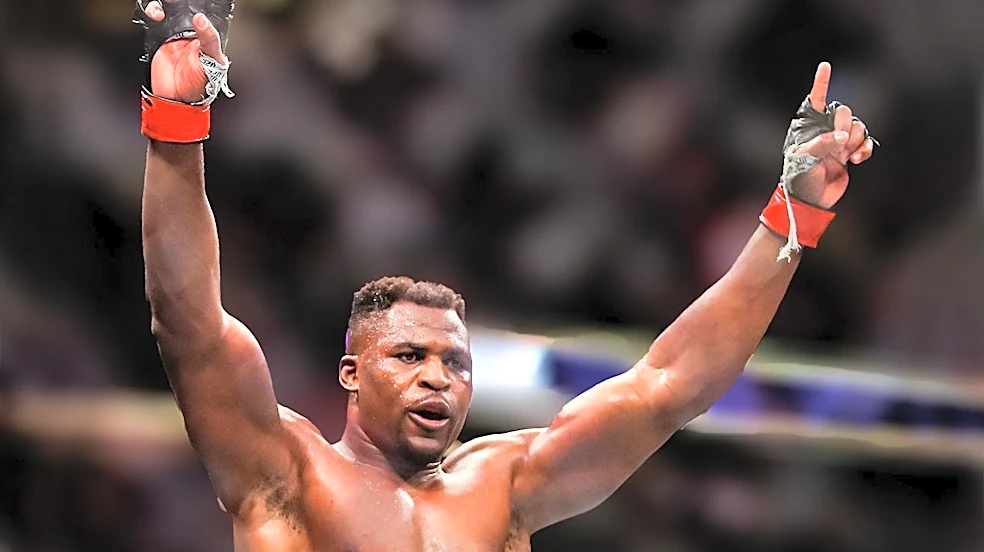
Jake Paul, the YouTube personality and combat sports promoter, has publicly called on the UFC to release Jon Jones from his contract. Paul's intention is to arrange a highly anticipated fight between Jones and Francis Ngannou, a matchup that the UFC has been
unable to materialize. Paul cited the recent release of boxer Shakur Stevenson from Zuffa Boxing, a promotion run by UFC CEO Dana White, as a precedent for Jones's potential release. Paul emphasized that the UFC has stated it will never work with Ngannou again, suggesting that releasing Jones would allow fans to see the desired heavyweight clash. Ngannou, who left the UFC in 2023 after contract disputes, has since pursued a professional boxing career and competed in a mixed martial arts event organized by Paul's company, MVP Promotions. Jones's relationship with the UFC has also been strained, with previous calls for his release, though he remains on the UFC's drug-testing roster.
Why It's Important?
This development highlights the ongoing power struggle and evolving landscape within combat sports, particularly concerning fighter contracts and promotional control. If Paul's efforts are successful, it could set a significant precedent for fighters seeking release from exclusive contracts to pursue high-profile matchups outside of their primary promotions. The potential Jones-Ngannou fight, if it occurs under Paul's MVP Promotions, would demonstrate the growing influence of independent promoters and alternative platforms in attracting top-tier talent and delivering fan-demanded events. This situation also underscores the financial implications for both fighters and promotions, as fighters increasingly seek more control over their careers and compensation. The UFC's stance on not working with Ngannou again, coupled with Jones's contractual situation, creates a unique scenario where a major fight could bypass traditional promotional structures, potentially shifting revenue streams and viewership. The outcome could influence future contract negotiations and fighter mobility across combat sports organizations.
What's Next?
The immediate next step involves the UFC's response to Paul's public request regarding Jon Jones's contract. Given UFC CEO Dana White's past reluctance to release high-profile fighters, particularly to compete for rival promotions, it is highly unlikely that the UFC will readily grant Jones his release. White has also explicitly stated his intention to never work with Francis Ngannou again, further complicating any potential collaboration. However, Paul's continued public pressure and the strong fan demand for a Jones-Ngannou fight could maintain public discourse around the issue. Jones himself would need to actively pursue his release, potentially through legal avenues or further negotiations with the UFC. If Jones were to secure his release, Paul's MVP Promotions would then be in a position to formally arrange the fight, which would likely involve significant financial incentives for both fighters. The situation could also lead to further public exchanges between Paul, White, Jones, and Ngannou, keeping the possibility of this superfight in the public eye.
Beyond the Headlines
This situation delves into the broader ethical and economic considerations of fighter autonomy and contractual obligations in professional sports. The push by Jake Paul to facilitate a fight outside the UFC's purview challenges the traditional model where major promotions hold significant control over fighter careers and earning potential. It raises questions about the balance of power between athletes and organizations, especially when a fighter's market value extends beyond their current contractual confines. The precedent of Shakur Stevenson's release, though from a boxing promotion, could embolden other fighters to seek similar avenues if they feel their current contracts limit their opportunities or earning capacity. This ongoing tension between fighter freedom and promotional control could lead to long-term shifts in how combat sports contracts are structured and enforced, potentially fostering a more competitive landscape for fighter talent. It also highlights the evolving role of social media and celebrity influence in shaping the narratives and demands within professional sports.