






What's Happening?
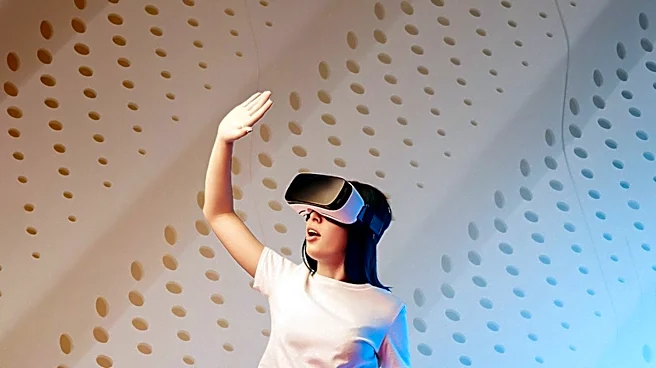
ArtQuest VR, a virtual museum platform, has announced the addition of two new downloadable content (DLC) collections: Sculpture & Decorative Arts and Ancient Art & Archaeology. These expansions bring over 1,400 three-dimensional sculptures and artifacts
to the platform, covering a historical range from prehistory to the modern era. The platform was developed by Eric Mosinger, a university professor who was inspired to create a virtual museum experience after visiting the Getty Museum in Los Angeles. Despite not being a professional game developer, Mosinger taught himself the necessary skills to build ArtQuest VR using Unity. The collections feature digitized works from renowned institutions such as the Louvre Museum, The Metropolitan Museum of Art, and the British Museum. ArtQuest VR allows users to explore these artworks in a virtual space, offering a unique opportunity to engage with art without the constraints of physical museum visits.
Why It's Important?
The expansion of ArtQuest VR signifies a growing trend in the use of virtual reality to enhance cultural and educational experiences. By providing access to a wide array of artworks and artifacts, the platform democratizes art appreciation, making it accessible to a broader audience regardless of geographical location. This development is particularly significant in the context of increasing digital engagement and the need for innovative educational tools. ArtQuest VR not only caters to art enthusiasts but also aims to attract individuals who may not typically visit museums, potentially fostering a new appreciation for art. The platform's ability to offer detailed, immersive experiences could influence how museums and educational institutions approach digital content, potentially leading to more widespread adoption of VR technology in these sectors.
What's Next?
Looking ahead, ArtQuest VR may continue to expand its offerings by incorporating more collections and features that enhance user interaction. Eric Mosinger has expressed interest in improving navigation tools and potentially hosting live guided tours within the virtual galleries. These developments could further enrich the user experience and attract a diverse audience. Additionally, as VR technology continues to evolve, ArtQuest VR might explore partnerships with more museums and cultural institutions to expand its digital archive. The platform's success could inspire similar initiatives, encouraging museums to digitize their collections and offer virtual tours, thereby broadening their reach and impact.
Beyond the Headlines
ArtQuest VR's approach to virtual museum experiences highlights the potential for VR to transform how people interact with art and culture. By allowing users to explore artworks in detail and at their own pace, the platform challenges traditional museum experiences, which are often limited by time and space constraints. This shift could lead to a reevaluation of how art is presented and consumed, with implications for museum curation and education. Furthermore, the platform's ability to connect users across distances through shared virtual experiences underscores the social potential of VR technology, fostering community and collaboration in new ways.