





What's Happening?
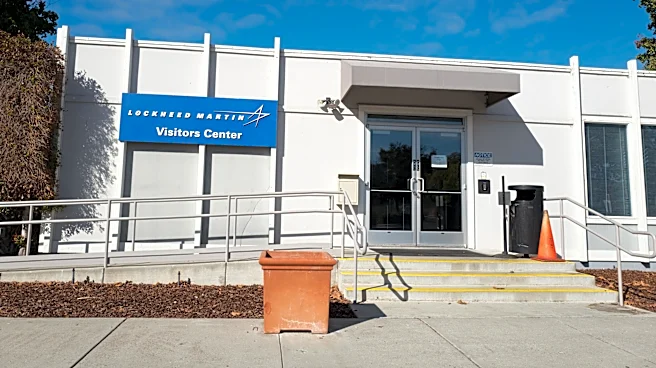
Jim Taiclet, the CEO of Lockheed Martin, a leading aerospace and defense company, is among several Fortune 500 CEOs who attribute their leadership success to their military service. Taiclet, an Air Force veteran, served as a pilot from 1985 to 1991, accumulating
over 5,000 flight hours, including during the Gulf War. He emphasizes that the military instills crucial skills such as attention to detail, responsibility, and composure under pressure, which are invaluable in corporate leadership. Approximately one in five of Lockheed Martin's 120,000 employees are veterans, reflecting the company's commitment to hiring individuals with military backgrounds. Taiclet's career trajectory includes roles at McKinsey, Pratt & Whitney, Honeywell, and American Tower before taking the helm at Lockheed Martin in 2020. His experience commanding multi-million dollar aircraft and aircrews on classified missions at a young age provided him with unique leadership development opportunities.
Why It's Important?
The emphasis on veteran leadership by prominent CEOs like Jim Taiclet underscores the significant contribution military service members make to the U.S. business landscape. This perspective highlights that the skills acquired in the armed forces—such as strategic thinking, crisis management, and team leadership—are highly transferable and beneficial in the corporate sector. For U.S. industries, particularly defense contractors like Lockheed Martin, hiring veterans not only aligns with corporate social responsibility but also brings a workforce with proven discipline and dedication. This trend can influence hiring practices across various sectors, encouraging companies to actively recruit veterans and recognize the unique value they bring beyond technical expertise. It also reinforces the idea that military service is a robust foundation for developing effective leaders, impacting talent acquisition strategies and leadership development programs nationwide.
What's Next?
The continued advocacy for veteran employment by influential CEOs like Taiclet is likely to further strengthen initiatives aimed at integrating former service members into the civilian workforce. Companies may increase their participation in programs like the Department of War SkillBridge, which helps transitioning service members prepare for civilian careers. This could lead to enhanced corporate partnerships with military transition programs and a greater focus on translating military skills into corporate competencies. Furthermore, the recognition of veterans' leadership qualities may inspire more companies to implement mentorship programs and career development pathways specifically designed for veterans, fostering their growth into senior leadership roles. This trend could also influence public policy discussions around veteran support and employment incentives.
Beyond the Headlines
The narrative surrounding veteran leadership extends beyond mere employment statistics, touching upon deeper societal values and the integration of military culture into corporate America. It highlights the ethical dimension of supporting those who have served the nation, translating gratitude into tangible career opportunities. Legally, this emphasis could lead to further incentives or protections for veteran hiring. Culturally, it reinforces the perception of veterans as highly capable and disciplined individuals, potentially shifting public discourse away from stereotypes and towards recognizing their professional strengths. In the long term, a sustained focus on veteran leadership could foster a more resilient and adaptable corporate environment, as military-trained leaders are often adept at navigating complex challenges and fostering strong team cohesion, contributing to overall national economic stability and innovation.