



What's Happening?
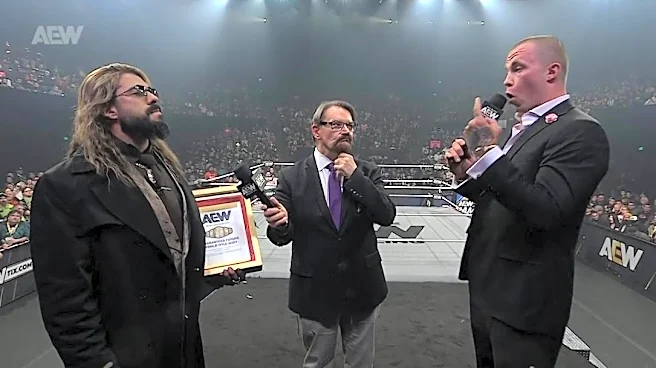
Jeff Jarrett, a figure in All Elite Wrestling (AEW), has offered an explanation for the current operational direction of WWE, suggesting that the company's decisions are primarily influenced by Wall Street rather than its fanbase. Speaking on his podcast,
'My World with Jeff Jarrett,' Jarrett asserted that Ari Emanuel, CEO of TKO Group Holdings (WWE's parent company), reports to Wall Street, not to the wrestling audience. This perspective, according to Jarrett, accounts for various WWE business practices, including the increased number of shows in Saudi Arabia and recent 'budget cuts.' He characterizes these actions as direct consequences of running a publicly traded business, where financial metrics and investor interests take precedence. This analysis comes amidst some fan dissatisfaction regarding WWE's post-sale decisions, including talent releases and the ongoing relationship with Saudi Arabia, which has reportedly caused internal frustration among TKO employees, particularly following violent attacks in the region.
Why It's Important?
Jarrett's comments highlight a significant shift in the operational philosophy of WWE under TKO Group Holdings, emphasizing a corporate-first approach over fan sentiment. This perspective is crucial for understanding the strategic decisions made by one of the largest entertainment companies in the U.S. The prioritization of Wall Street interests could lead to business models that maximize revenue and shareholder value, potentially at the expense of traditional fan engagement or creative freedom. For the wrestling industry, this could set a precedent where financial performance dictates content and talent management more directly. It also raises questions about the balance between commercial viability and maintaining a loyal fanbase, especially as the company navigates controversial partnerships and cost-cutting measures. The internal frustrations reported within TKO regarding the Saudi Arabian relationship further underscore the ethical and operational challenges of this business model.
What's Next?
The implications of WWE's Wall Street-driven strategy are likely to continue shaping its future decisions. Fans can anticipate further business moves aimed at financial optimization, which may include continued international expansion into lucrative markets like Saudi Arabia, potential further talent adjustments, and content strategies designed to appeal to broader audiences or secure larger media rights deals. The ongoing internal discussions and potential employee dissatisfaction within TKO regarding certain business relationships could also evolve, possibly leading to internal policy reviews or public relations challenges. The wrestling community will likely continue to scrutinize WWE's balance between profitability and its traditional entertainment product, with fan reactions potentially influencing future engagement and viewership trends. Competitors like AEW may also leverage this sentiment to differentiate their product offerings.
Beyond the Headlines
The shift described by Jarrett reflects a broader trend in the entertainment industry where major properties, once driven by creative vision and audience connection, become increasingly governed by corporate financial objectives. This transformation can lead to a more standardized, risk-averse product designed for mass appeal and profitability, potentially alienating niche but passionate fan bases. Ethically, the continued relationship with Saudi Arabia, despite reported internal dissent and geopolitical concerns, highlights the complex moral calculus involved when significant financial opportunities intersect with human rights and political stability issues. This situation also underscores the evolving power dynamics between corporate ownership, creative talent, and consumer expectations in a globalized media landscape, where the 'show' is increasingly a 'business' first and foremost.