




What's Happening?
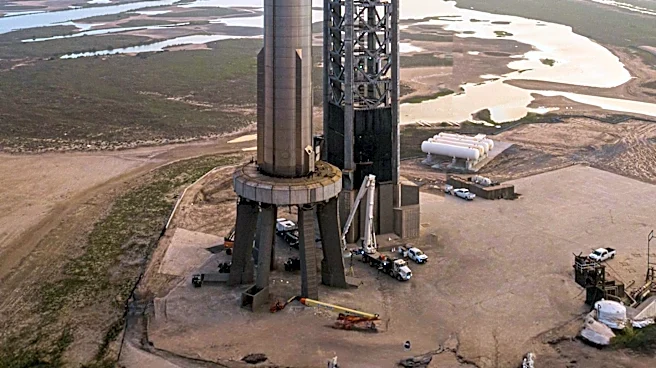
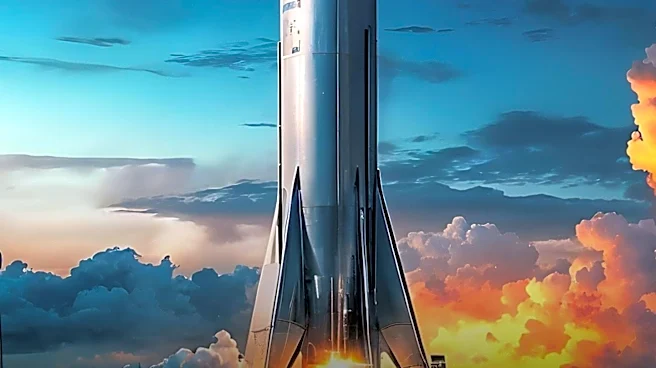
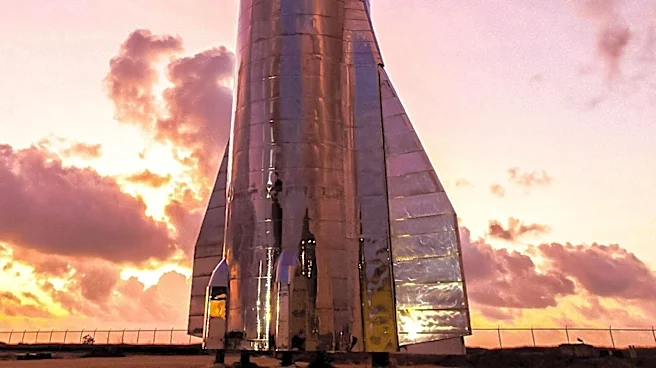
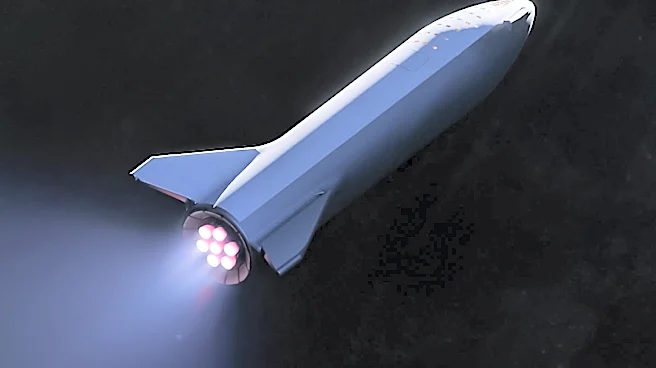
SpaceX has achieved a significant milestone by successfully igniting all 33 Raptor engines on its Super Heavy booster during a full-duration static fire test at Starbase, Texas. This test is a critical step in preparing for Starship Flight 13, marking
one of the most demanding ground tests before launch. The static fire test allows SpaceX engineers to ensure that each Raptor engine starts correctly, reaches the intended thrust level, and communicates properly with onboard systems. This process is crucial for identifying and correcting any irregularities before the rocket's actual flight, thereby reducing risks. The test also demonstrates the integration of the booster, launch pad, and supporting systems as a cohesive unit rather than isolated components.
Why It's Important?
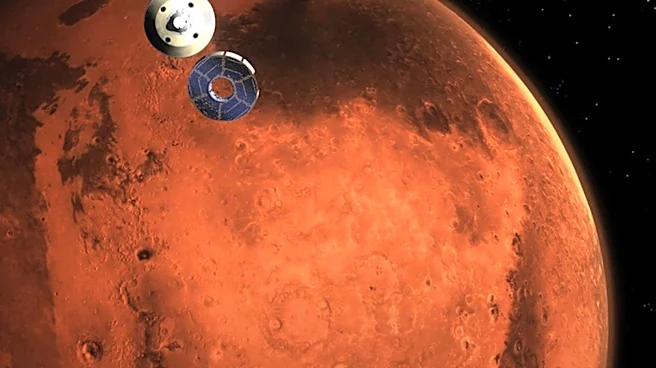
The successful firing of all 33 Raptor engines is pivotal for SpaceX's long-term vision of developing a fully reusable launch vehicle capable of transporting satellites, cargo, and humans beyond low Earth orbit. This milestone is part of SpaceX's strategy to support missions to the Moon under NASA's Artemis program and future expeditions to Mars. The company's rapid development philosophy emphasizes frequent testing and hardware iteration, allowing for real-world performance data collection and design refinements. Each successful test enhances the reliability and capabilities of the Starship system, moving SpaceX closer to achieving routine deep-space transportation.
What's Next?
Following the successful engine test, SpaceX engineers will analyze telemetry data to ensure all performance objectives were met. The company will also complete final integration work, conduct additional inspections, and coordinate with regulators for launch clearance. If the data confirms the booster met all objectives, the focus will shift to stacking the complete launch vehicle and completing countdown rehearsals. These steps are essential for preparing Starship Flight 13, which represents another opportunity to demonstrate the rapid evolution of the Starship program through continuous testing and engineering progress.