
What's Happening?
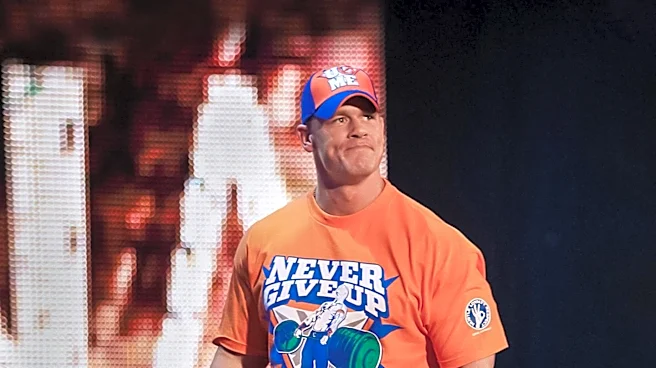
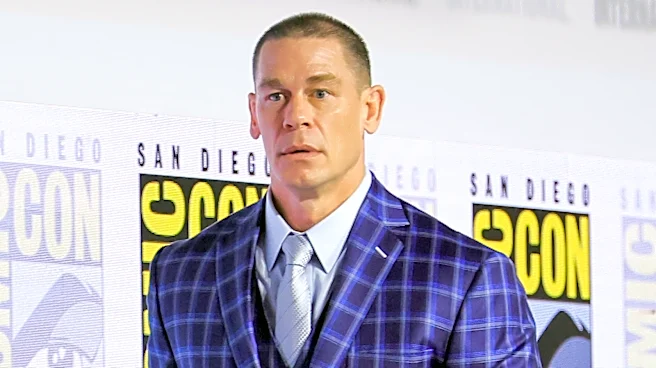
John Cena has openly discussed his controversial 'heel turn' during his final year in WWE, acknowledging that while it was a business success in terms of attendance and viewership, it was a creative failure in the eyes of many critics. Cena revealed that the idea
for the heel turn originated from Paul 'Triple H' Levesque, WWE's Chief Content Officer, and he agreed to it almost immediately. Cena expressed that his ideal version of the heel character would have involved him performing so poorly that audiences would desperately want a hero to defeat him, effectively 'ruining wrestling.' However, he recognized that this extreme approach was not feasible given the limited time in his career and potential negative impacts on WWE's business. Despite the mixed creative reception, Cena stated he has no regrets about taking the risk, viewing it as a valuable experience for encouraging younger talent to be bold and take chances.
Why It's Important?
This reflection from John Cena and Paul Levesque offers significant insight into the creative decision-making process within WWE, particularly concerning its top stars. It highlights the tension between creative ambition and business realities in professional wrestling. For fans, it provides a deeper understanding of why certain storylines unfold as they do, often balancing artistic vision with commercial viability. For aspiring wrestlers, Cena's perspective on embracing failure and taking risks serves as a crucial lesson in career development within the entertainment industry. The discussion also underscores Levesque's role as Chief Content Officer in shaping major narrative arcs, indicating his willingness to experiment with established characters even if the outcome is uncertain. This transparency can foster greater appreciation for the complexities of storytelling in WWE.
What's Next?
While John Cena has retired from full-time in-ring competition, his continued role as a WWE ambassador and his involvement in initiatives like the John Cena Classic suggest he will remain an influential figure. His willingness to discuss past creative decisions openly could set a precedent for other WWE legends to share their experiences, enriching the historical narrative of the company. Paul Levesque, as Chief Content Officer, will likely continue to explore innovative and potentially risky storylines, drawing from both successes and perceived failures like Cena's heel turn. This approach could lead to more experimental character developments for current WWE Superstars, as the company seeks to keep its product fresh and engaging. The emphasis on taking creative chances might encourage a new generation of talent to push boundaries in their performances and character portrayals.
Beyond the Headlines
The discussion around John Cena's heel turn delves into broader themes of artistic integrity versus commercial success in entertainment. Cena's desire to 'literally ruin wrestling' to elicit a strong audience reaction speaks to a profound artistic impulse to provoke and challenge, even if it means alienating some fans. This mirrors debates in other creative industries where artists grapple with audience expectations and the desire to innovate. The willingness of both Cena and Levesque to label the creative aspect of the turn as a 'failure' yet still value the attempt highlights a culture that, at times, prioritizes bold experimentation over guaranteed success. This perspective can inspire a more risk-tolerant environment within WWE, potentially leading to more complex and nuanced character arcs that deviate from traditional hero-villain tropes, ultimately enriching the storytelling landscape of professional wrestling.