



What's Happening?
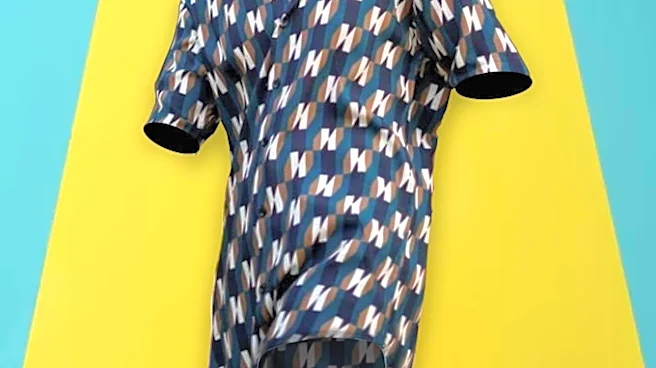
ASOS, a global fashion retailer, has partnered with AIUTA, a deep-tech startup specializing in visual infrastructure for the fashion industry, to integrate AIUTA's AI Studio and Virtual Try-On technology. This collaboration aims to transform the online
fashion shopping experience for customers. The integration allows ASOS to more efficiently scale brand-aligned visual content, providing shoppers with new ways to discover, experience, and purchase fashion items. Virtual try-on tools generally fall into two categories: photo-based, which render garments onto a user's photo but often lack sizing recommendations, and avatar-based, which create a body model from user data for more accurate sizing and fitting. This new integration by ASOS with AIUTA is designed to enhance the overall online retail journey.
Why It's Important?
This integration is significant for the U.S. e-commerce landscape as it addresses a key challenge in online fashion retail: the inability to physically try on clothes. By offering advanced virtual try-on capabilities, ASOS can potentially reduce return rates, increase customer satisfaction, and boost sales. Consumers stand to gain from a more confident purchasing experience, as they can better visualize how garments will look and fit before buying. For the broader retail industry, this move by a major player like ASOS could accelerate the adoption of similar AI-driven virtual try-on technologies, pushing competitors to invest in comparable solutions to remain competitive. This innovation could set new standards for online shopping, making it more interactive and personalized, ultimately benefiting both retailers through improved efficiency and customers through enhanced convenience.
What's Next?
Following the integration of AIUTA's technology, ASOS is expected to roll out these new virtual try-on features to its customer base, allowing shoppers to utilize the enhanced visual content and try-on capabilities. The success of this implementation will likely be measured by metrics such as customer engagement, conversion rates, and a potential decrease in product returns. Other fashion retailers will be closely observing ASOS's experience, and if successful, it could lead to a wider adoption of AI-powered virtual try-on solutions across the U.S. and global e-commerce sectors. Further developments might include refining the accuracy of the virtual try-on, expanding the range of garments available for virtual fitting, and potentially integrating more personalized styling recommendations based on user data and preferences.
Beyond the Headlines
The adoption of AI-driven virtual try-on technology by major retailers like ASOS signifies a broader shift in consumer behavior and retail strategy. Beyond the immediate benefits of improved shopping experiences, this technology raises interesting implications for data privacy, as avatar-based systems often rely on detailed user body data. It also highlights the increasing reliance on artificial intelligence to bridge the gap between physical and digital retail, potentially leading to a future where online shopping is as immersive and personalized as in-store experiences. This trend could also influence fashion design and manufacturing, as designers might begin to leverage AI tools for virtual prototyping and fit testing, streamlining the entire product development cycle. The ethical considerations around AI's role in influencing consumer choices and body image will also become more prominent as these technologies become more sophisticated and widespread.