




What's Happening?
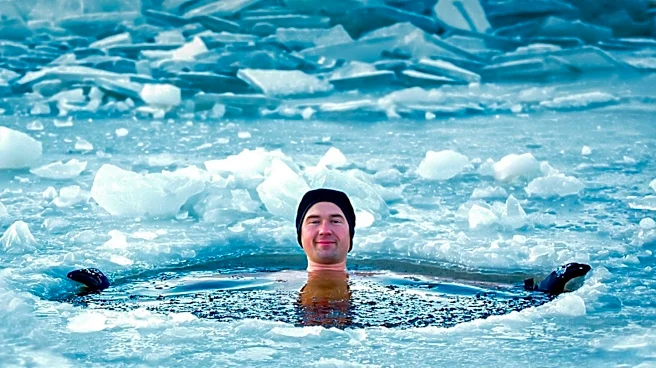
Cold plunges are utilized by athletes and wellness seekers for various recovery and well-being purposes. Research indicates that the most consistently supported benefits of cold plunges include a reduction in muscle soreness after intense exercise, compared
to passive resting, and a temporary increase in alertness and mood. However, studies also suggest a potential drawback: regular cold water immersion immediately following strength training may lead to diminished gains in muscle size and strength. The timing of cold plunges is crucial, particularly for those focused on muscle building, as plunging directly after lifting could negatively impact hypertrophy. While cold plunges can trigger a surge in alertness hormones, this is distinct from physiological recovery. The practice is not recommended for individuals who are sick due to the added strain it places on the body. The optimal time for a cold plunge, whether morning or evening, depends on individual goals and preferences, with some evidence pointing to improved sleep after evening plunges, though this is not definitively established.
Why It's Important?
The growing popularity of cold plunges in the U.S. wellness and fitness industries highlights a need for clear, evidence-based understanding of their effects. For athletes and fitness enthusiasts, the potential trade-off between reduced muscle soreness and blunted muscle growth is a critical consideration. This information can influence training protocols and recovery strategies, potentially leading to more informed decisions about when and how to incorporate cold therapy. Businesses offering cold plunge services or products must accurately represent the benefits and risks to consumers, ensuring transparency and managing expectations. The emphasis on individual timing and goals underscores that a 'one-size-fits-all' approach to cold plunging may not be effective or even beneficial for everyone. Understanding these nuances is vital for both consumers seeking health benefits and businesses operating in the rapidly expanding wellness market.
What's Next?
As research into cold plunges continues, further studies are needed to definitively establish optimal protocols, including ideal temperatures, durations, and frequencies for various goals. The impact on different demographics, particularly women, requires more dedicated research, as current studies are largely based on male participants. The wellness industry may see a shift towards more personalized cold plunge recommendations, potentially incorporating biometric data and individual training objectives. Consumers can expect to see more nuanced marketing from cold plunge providers, moving beyond generalized claims to highlight specific, evidence-backed benefits and potential limitations. Healthcare professionals may also increasingly be consulted for guidance on safe and effective cold plunge practices, especially for individuals with pre-existing health conditions.
Beyond the Headlines
The discussion around cold plunges extends beyond immediate physical benefits to broader implications for self-optimization and the pursuit of extreme wellness. The practice taps into a cultural fascination with biohacking and pushing physical limits, often driven by anecdotal evidence and social media trends. This can create a landscape where perceived benefits outweigh scientific backing, leading to potential misuse or unrealistic expectations. The ethical responsibility of wellness companies to provide accurate information is paramount, especially given the potential risks associated with cold shock, particularly for individuals with underlying health issues. The integration of cold plunges into daily routines also reflects a desire for natural, non-pharmacological methods to enhance mood and energy, highlighting a societal trend towards holistic well-being, even as scientific understanding continues to evolve.