



What's Happening?
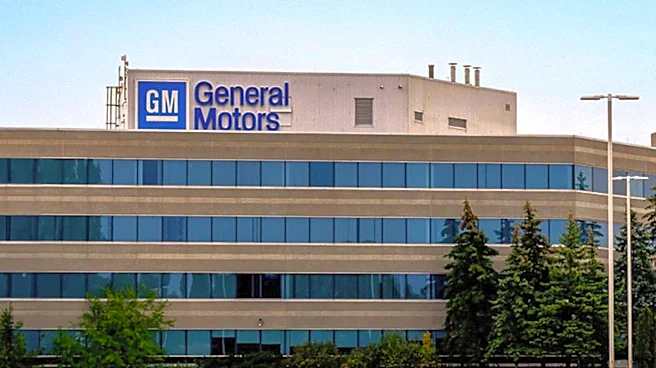
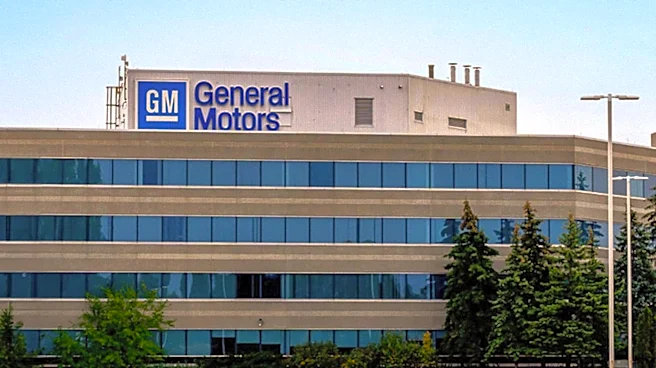
General Motors (GM) is reportedly engaging an executive search firm to identify external candidates for the succession of its Chair and CEO, Mary Barra. This development comes despite a long-standing tradition of promoting CEOs from within the company.
While external candidates are being considered, internal candidates remain in contention. Barra has served as CEO since January 2014 and became chair in 2016, making her tenure nearly 13 years, a significant period for a major company CEO. GM has not announced a successor or a specific timeline for this transition, and Barra has not indicated any immediate plans to depart. The company's 2026 proxy statement indicates that Barra, at 64, and President Mark Reuss were eligible for early retirement as of December 31, 2025. The board, through its Independent Lead Director Patricia F. Russo, oversees CEO succession planning, discussing it annually and dedicating substantial time to management succession at each board meeting.
Why It's Important?
The reported search for an external successor to Mary Barra at General Motors signals a potential shift in the company's leadership strategy and could have significant implications for the automotive industry. Historically, GM has favored internal promotions for its top executive roles, making this move a departure from tradition. Bringing in an outsider could introduce fresh perspectives and strategies, particularly as the industry navigates dynamic changes, including the transition to electric vehicles and advancements in autonomous driving technology. This decision could impact the company's direction in product development, market positioning, and overall corporate culture. For stakeholders, the choice of a new CEO will be crucial in determining GM's future competitiveness and its ability to adapt to evolving market demands. The potential for an external hire suggests the board may be seeking specific expertise or a different leadership style to address current and future challenges, potentially affecting investor confidence and employee morale.
What's Next?
While no timeline or specific successor has been announced, the ongoing search for Mary Barra's replacement suggests that General Motors is actively preparing for a leadership transition. The board's continued discussions on management succession, as outlined in the proxy statement, indicate a structured approach to this process. The consideration of both internal and external candidates means that the eventual successor could either maintain continuity with GM's existing strategies or introduce significant changes. The outcome of this search will likely influence GM's strategic direction, particularly concerning its commitment to electric vehicles, autonomous technology, and global market presence. Stakeholders, including investors, employees, and industry observers, will be closely watching for further announcements regarding the succession plan and the eventual appointment of a new CEO, which could reshape the company's trajectory in the coming years.
Beyond the Headlines
The reported external search for Mary Barra's successor at General Motors highlights a broader trend in corporate governance where boards are increasingly looking beyond traditional internal pipelines for top leadership roles. This move reflects the complex and rapidly evolving landscape of the automotive industry, which demands leaders with diverse skill sets and innovative approaches. The emphasis on finding someone who views a vehicle as a 'computer with a warranty attached,' as hinted by the compensation of Sterling Anderson, executive vice president of global product, suggests a strategic pivot towards software-defined vehicles and integrated user experiences. This shift could redefine the core competencies expected of an automotive CEO, moving beyond traditional manufacturing and sales expertise to include a strong understanding of technology, data, and digital ecosystems. The decision to potentially bring in an outsider also raises questions about the effectiveness of internal succession planning in rapidly changing industries and the perceived need for disruptive leadership to navigate future challenges.