

What's Happening?
Studio Twenty-One 6, located in downtown Birmingham, Alabama, provides a professional studio space available for rent to a diverse range of individuals and businesses. This includes videographers, podcasters, content creators, brands, small businesses,
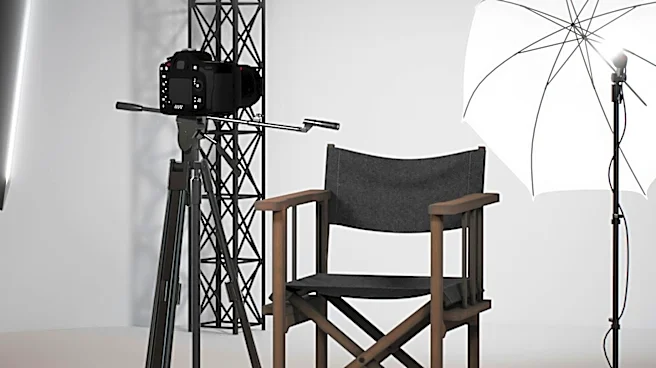
teachers, and first-time creators. The studio is equipped for various production needs, offering continuous LED/video lighting, photography strobes, modifiers, V-flats, and reflectors. It features multiple sets, furniture, backgrounds, 14-foot ceilings, and spans over 1,600 square feet, making it suitable for interviews, brand videos, YouTube content, music productions, and small-scale projects. Renters can utilize their own cameras or phones, with the studio's lighting and backdrops designed to enhance the quality of phone-shot content. Audio equipment is also available for recording interviews and podcasts, and the studio offers optional creative and lighting support with Danny for an additional fee.
Why It's Important?
The availability of professional studio spaces like Studio Twenty-One 6 is crucial for the growing creator economy in the U.S., particularly for those outside major media hubs. It democratizes access to high-quality production resources, enabling small businesses, independent creators, and local brands to produce polished content without the prohibitive costs of owning such equipment or facilities. This fosters local economic growth by supporting creative entrepreneurs and potentially attracting more production activities to Birmingham. For content creators, it means a higher standard of output, which can lead to increased audience engagement, better brand partnerships, and greater monetization opportunities. The inclusion of support services further lowers the barrier to entry for those less experienced in professional production, ensuring that even first-time creators can achieve professional results.
What's Next?
As the demand for digital content continues to surge, facilities like Studio Twenty-One 6 are likely to see increased utilization and potentially inspire similar ventures in other mid-sized U.S. cities. The studio may expand its offerings, such as workshops on content creation, advanced lighting techniques, or social media strategy, to further support its clientele. There could also be an increase in collaborations with local businesses and educational institutions to provide hands-on experience for aspiring media professionals. The success of such localized, accessible production spaces could also influence broader trends in the U.S. content creation industry, encouraging a more decentralized model of content production away from traditional media centers.
Beyond the Headlines
The rise of accessible content creation spaces reflects a significant shift in how media is produced and consumed in the U.S. It underscores the increasing importance of visual storytelling across all sectors, from personal branding to corporate communications. This trend also highlights the evolving nature of work, with more individuals and small teams operating independently and requiring flexible, professional environments. Ethically, these spaces promote inclusivity by making high-quality production tools available to a wider demographic, potentially leading to a more diverse range of voices and narratives in the digital landscape. Culturally, they contribute to the professionalization of content creation, elevating it from a hobby to a viable career path and fostering a new generation of media entrepreneurs.