




What's Happening?
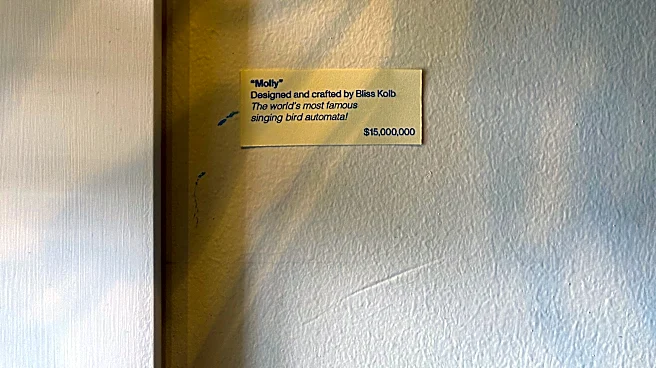
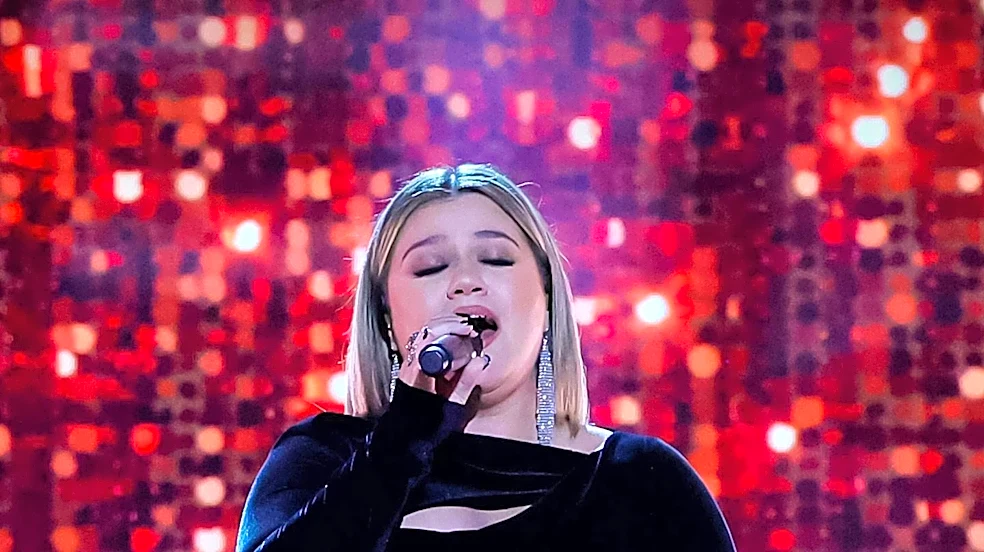
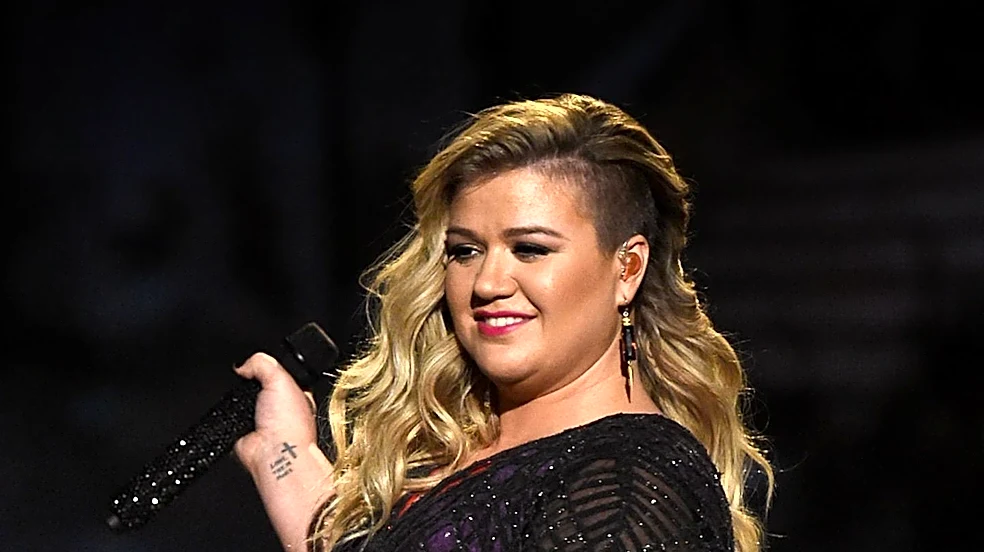
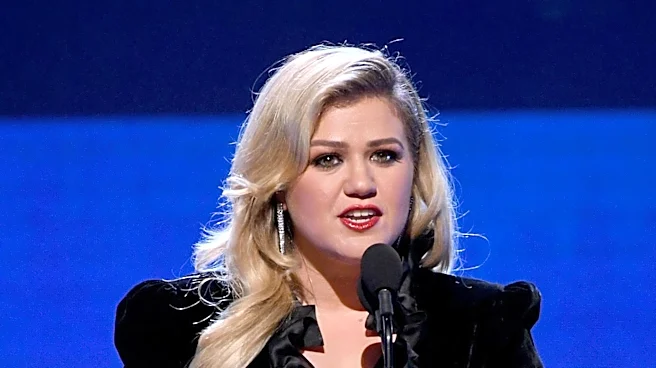
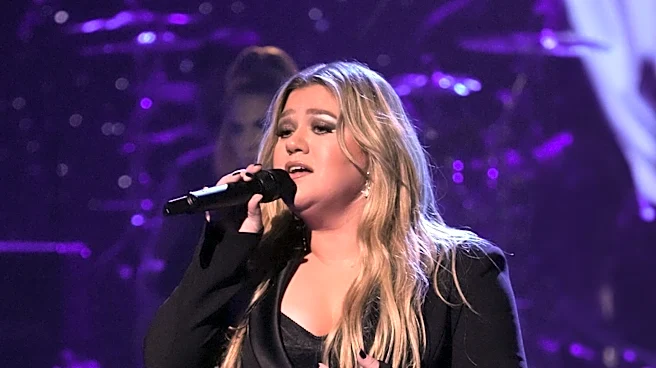
The dispute between Kelly Clarkson and Brooklyn novelty shop Art of Play continues, with the shop now valuing the hand-cranked singing automata bird, 'Molly,' at $15 million. This development follows an online interaction where Clarkson publicly criticized
the store for what she described as a 'distasteful experience,' comparing it to a scene from 'Pretty Woman.' Art of Play co-owner Adam Rubin stated that if the business sells Molly, employees would receive a $15,000 bonus, and the artist, Bliss Kolb, would receive $1 million, with remaining profits funding a display dedicated to the bird. The shop initially claimed Molly was not for sale and was a permanent fixture, a claim Clarkson disputed by sharing photos of a price tag on the bird.
Why It's Important?
This incident highlights the significant impact of celebrity social media presence on small businesses and the broader implications of online public disputes. Kelly Clarkson's initial post led to widespread online criticism and even doxxing of the store and its employees, demonstrating the power of a celebrity's platform to mobilize public opinion. The shop's subsequent valuation of 'Molly' at $15 million, a dramatic increase from an alleged initial price of $15,000, could be seen as a strategic move to capitalize on the viral attention, or as a statement about the perceived value of the item given the controversy. This saga also raises questions about customer service expectations, celebrity privilege, and the ethics of public shaming in the digital age, affecting both the business's reputation and the celebrity's public image.
What's Next?
The situation remains unresolved, with both parties having presented differing accounts of the interaction. Art of Play has stated they reached out to Kelly Clarkson directly to 'clear the air,' suggesting a desire for reconciliation. However, the public nature of the dispute and the shop's new, exorbitant valuation of 'Molly' indicate that the story may continue to evolve. Future developments could include further public statements from either side, potential legal considerations regarding defamation or misrepresentation, or a resolution that could set a precedent for how businesses and celebrities handle similar online conflicts. The incident will likely continue to be a topic of discussion regarding consumer rights, celebrity influence, and the responsibilities of public figures.
Beyond the Headlines
Beyond the immediate conflict, this event delves into deeper societal issues concerning online behavior and the dynamics of power between celebrities and small businesses. The rapid escalation of the dispute, fueled by social media, underscores the challenges businesses face in managing their online reputation in an era where a single post can lead to significant backlash. It also prompts a discussion on the concept of 'asymmetrical social warfare,' as described by Rubin, where a celebrity's vast following can disproportionately impact a smaller entity. The incident could influence how businesses train their staff to interact with high-profile customers and how celebrities choose to voice their consumer experiences, potentially leading to more cautious or mediated approaches to public complaints.