








What's Happening?
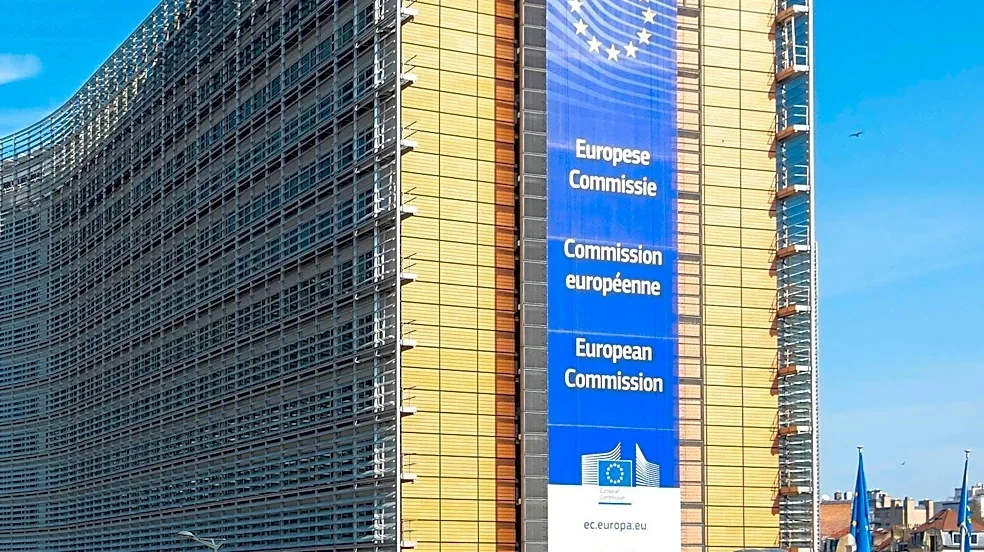
The European Commission has accused private equity firm KKR of providing incorrect or misleading information during its €22 billion acquisition of Telecom Italia’s fixed-line network in 2024. The Commission's preliminary view is that KKR, at least negligently,
submitted inaccurate information regarding the terms of its existing long-term agreements for wholesale access. Specifically, the Commission relied on KKR's information that existing terms would continue to apply unless mutually agreed otherwise with third-party operators. However, evidence suggests that after the merger, KKR may have significantly raised prices for existing wholesale broadband customers. This accusation follows an investigation launched by the EC after receiving complaints from various third-party operators. KKR disputes these claims, stating it stands by the accuracy of the information provided during the 2024 review of the NetCo acquisition and plans to challenge the allegations.
Why It's Important?
This development is significant for the integrity of merger control processes within the European Union and has implications for the telecommunications market. If KKR is found to have provided misleading information, it could undermine trust in corporate disclosures during major acquisitions and potentially lead to stricter regulatory scrutiny for future deals. For the telecommunications sector, the alleged price increases for wholesale broadband customers could impact competition and consumer costs. Third-party operators, who rely on wholesale access to provide internet services, could face higher operational expenses, potentially leading to increased prices for end-users or reduced market competitiveness. The case highlights the critical role of accurate information in regulatory approvals and the potential for market distortion if such information is compromised.
What's Next?
KKR now has the opportunity to respond to the European Commission's Statement of Objections. The firm has indicated its intention to "vigorously challenge these preliminary allegations" while continuing to engage constructively with the Commission. Following KKR's response, the European Commission will assess the arguments and evidence presented. The outcome could range from the Commission dropping its accusations to imposing fines or other remedies if it concludes that KKR indeed provided incorrect or misleading information. This process will likely involve further legal and regulatory proceedings, and the final decision will set a precedent for how the EC handles similar cases of alleged misinformation in future merger reviews.
Beyond the Headlines
This case extends beyond a simple regulatory dispute, touching upon the broader ethical responsibilities of private equity firms in large-scale acquisitions and the challenges faced by regulators in ensuring fair competition. The accusation of misleading information raises questions about due diligence and transparency in complex financial transactions. It also underscores the power dynamics between large private equity firms and regulatory bodies, particularly when deals involve critical infrastructure like telecommunications networks. The potential for price increases for wholesale customers highlights the impact of such mergers on the broader market and consumers, emphasizing the need for robust oversight to prevent anti-competitive practices and protect market fairness. The resolution of this case could influence future regulatory frameworks and corporate governance standards in the EU.