





What's Happening?
Home Instead, a care provider, emphasizes the importance of tailored fitness and exercise routines for older adults. The organization highlights that choosing appropriate activities is crucial to prevent injuries and ensure long-term adherence to a fitness regimen.
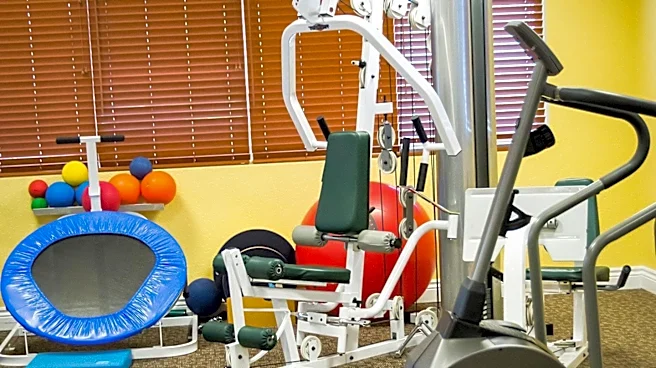
Recommended exercises include low-impact aerobic activities such as walking, swimming, and cycling, which can be adjusted based on individual ability and health conditions. Strength training, utilizing light weights or resistance bands, is also advised to maintain muscle mass and bone density. Additionally, flexibility and balance exercises like yoga, Tai Chi, and daily stretching are suggested to reduce the risk of falls. Home Instead stresses that individuals with chronic health conditions, such as heart disease, arthritis, or diabetes, should consult their doctor to develop a personalized exercise plan that minimizes stress on affected areas and targets specific health needs. The goal is to create a balanced fitness regime that combines various types of exercises.
Why It's Important?
This guidance from Home Instead is important for addressing the specific health and mobility challenges faced by the aging U.S. population. As individuals age, maintaining physical activity becomes critical for preventing chronic diseases, preserving independence, and improving overall quality of life. The emphasis on tailored plans acknowledges the diverse health statuses among older adults, moving away from a one-size-fits-all approach. By promoting low-impact and adaptable exercises, the recommendations aim to reduce barriers to participation, such as fear of injury or exacerbation of existing conditions. This can lead to a decrease in healthcare costs associated with age-related conditions and falls, benefiting both individuals and the healthcare system. Furthermore, encouraging social group activities can combat isolation, which is a significant concern for older adults, thereby improving mental well-being alongside physical health.
What's Next?
Moving forward, older adults and their caregivers are encouraged to assess current fitness levels and consult healthcare professionals to develop personalized exercise plans. Home Instead suggests that individuals consider activities they can do at home, such as chair-based yoga or gardening, or explore local group classes like weightlifting or lawn bowls clubs for social engagement. The organization also advises setting realistic goals, tracking progress, and incorporating variety into workouts to maintain motivation. For those needing additional support, Home Instead's companionship services can provide assistance and encouragement during exercise routines. Caregivers are encouraged to participate alongside their loved ones, provide transportation to classes, or help find online workout videos. The focus will likely be on continued education and accessibility to ensure older adults can safely and effectively integrate physical activity into their daily lives.
Beyond the Headlines
The recommendations from Home Instead underscore a broader societal shift towards proactive health management for older adults, moving beyond merely treating illnesses to actively promoting well-being. This approach has significant implications for the elder care industry, potentially driving demand for specialized fitness programs, personal trainers with expertise in geriatric exercise, and home care services that integrate physical activity support. Ethically, it highlights the importance of empowering older individuals to maintain autonomy and quality of life through physical health, challenging ageist stereotypes that often associate aging with inevitable decline. Culturally, it could foster a greater appreciation for lifelong fitness and encourage intergenerational activities that promote health across all age groups. The long-term impact could be a healthier, more active senior population, reducing the burden on healthcare systems and fostering a more engaged and independent elderly community.