


What's Happening?
Three-time Cup Series champion Tony Stewart has publicly stated that if he were in charge of NASCAR, he would dismiss much of its upper management. Stewart believes the sport has strayed significantly from its foundational fan base and has become overly
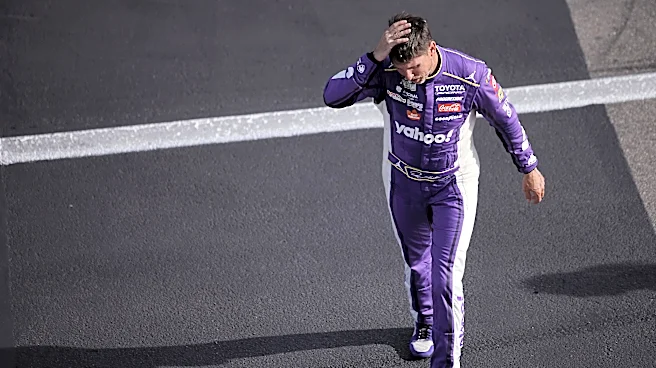
complicated, even for those deeply involved in racing. He argues that the current rules and championship format are not serving the fans who initially built the sport's success. Stewart's concerns are echoed by other prominent figures, including Dale Earnhardt Jr., who has questioned aspects of NASCAR's Next Gen car and advocated for a simpler approach that aligns more with the sport's roots. Current drivers like Denny Hamlin have also voiced frustrations regarding the championship format's ability to consistently reward performance, highlighting a broader debate within the NASCAR community about its direction and connection with its audience.
Why It's Important?
Tony Stewart's strong criticism of NASCAR's leadership and direction is significant because it comes from a highly respected figure within the sport, indicating deep-seated issues that could impact its long-term viability and fan engagement. His call for a return to NASCAR's original fan base suggests a perceived disconnect between the sport's current trajectory and its core audience, which could lead to declining viewership and attendance if not addressed. The debate over rules, car design (specifically the Next Gen car), and championship formats directly affects the competitive integrity and entertainment value of races. If fans and participants feel the sport is too complex or has lost its traditional appeal, it could alienate loyal followers and hinder efforts to attract new ones, potentially impacting sponsorship deals, media rights, and overall revenue for NASCAR and its associated teams and businesses.
What's Next?
As NASCAR moves into its 2027 season, the sport faces the challenge of balancing innovation with its established traditions. Stewart's public statements, along with similar concerns from other prominent figures, are likely to intensify internal discussions about potential leadership changes and strategic shifts. While it remains uncertain whether NASCAR will implement the drastic changes Stewart suggests, the pressure to address fan concerns and simplify the sport's rules and format will likely increase. The ongoing debate about the Next Gen car and the championship structure will continue to be a focal point, potentially leading to modifications aimed at enhancing fan experience and competitive fairness. The sport's leadership will need to carefully consider these criticisms to ensure its future growth and maintain its connection with its fan base.
Beyond the Headlines
The criticisms raised by Tony Stewart and others point to a deeper cultural and identity crisis within NASCAR. The sport, traditionally rooted in American working-class culture and a straightforward approach to racing, appears to be grappling with modernization efforts that some perceive as alienating its core demographic. The tension between evolving the sport to attract new audiences and preserving its heritage for long-time fans presents a complex challenge. This debate extends beyond mere rule changes, touching upon the very essence of what NASCAR represents to its followers. The outcome of this internal struggle could redefine NASCAR's brand identity, its relationship with its fan base, and its position within the broader American sports landscape, potentially influencing how other traditional sports leagues navigate similar pressures for change and modernization.