





What's Happening?
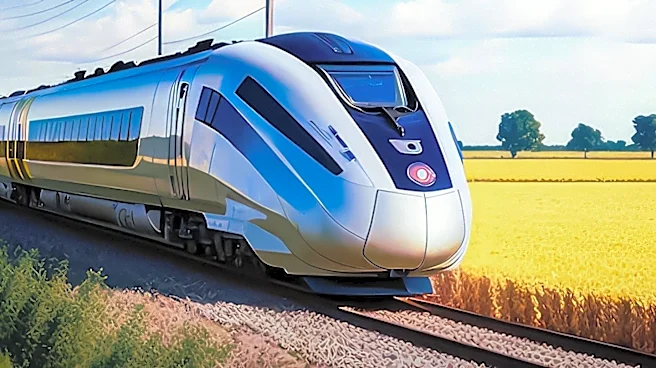
The General Agreement for the Gulf Cooperation Council (GCC) Railway Project has been officially signed in the Kingdom of Bahrain. The signing ceremony took place during the 31st meeting of the GCC Ministerial Committee for Transport and Communications,
held at Al Riffa Palace. His Royal Highness Prince Salman bin Hamad Al Khalifa, Crown Prince and Prime Minister of Bahrain, along with Jasem Mohamed Albudaiwi, Secretary General of the GCC, and the GCC Ministers of Transport and Communications, were present. The GCC Secretary General expressed gratitude to the leaders of the GCC countries for their continuous support for joint Gulf cooperation and their commitment to advancing strategic projects. He highlighted that this agreement marks a significant step towards greater Gulf integration in the transport sector, aiming to establish a unified, interoperable regional railway network connecting all GCC countries.
Why It's Important?
This agreement is a pivotal development for regional integration and economic development within the GCC. The establishment of a unified railway network will significantly improve connectivity and facilitate transport across the Gulf region. This enhanced infrastructure is expected to boost trade, reduce logistics costs, and foster greater economic cooperation among member states. Businesses stand to gain from more efficient movement of goods and services, potentially leading to increased investment and economic growth. For citizens, it could mean easier travel and greater access to opportunities across the GCC. The project also symbolizes a strong commitment to collective strategic initiatives, demonstrating the GCC's resolve to strengthen its internal cohesion and economic resilience. This infrastructure development could also attract international investment and position the GCC as a more integrated and competitive economic bloc on the global stage.
What's Next?
With the General Agreement signed, the focus will now shift towards the implementation phases of the GCC Railway Project. This will involve detailed planning, financing arrangements, and coordination among the member states to ensure the interoperability of the network. The continued efforts of GCC teams and the GCC Railways Authority will be crucial in advancing this strategic project. Future steps will likely include tendering for construction, procurement of rolling stock, and the development of operational protocols. The project's success will depend on sustained political will and effective collaboration among all stakeholders. The railway is expected to strengthen regional integration, support economic development, and promote shared prosperity, with its progress being closely monitored by the GCC leadership and international observers.
Beyond the Headlines
The GCC Railway Project represents more than just a transportation initiative; it is a testament to the long-term vision of regional integration and economic diversification. Beyond the immediate benefits of improved connectivity, the railway could foster deeper social and cultural ties among the GCC nations, facilitating easier movement of people and ideas. Environmentally, a well-developed railway network could offer a more sustainable alternative to road and air transport, contributing to reduced carbon emissions in the region. Strategically, such a large-scale infrastructure project enhances the GCC's collective bargaining power and geopolitical influence. It also underscores the region's commitment to investing in modern infrastructure as a foundation for future growth and stability, potentially setting a precedent for other regional blocs seeking to enhance their internal connectivity and economic resilience.