
What's Happening?
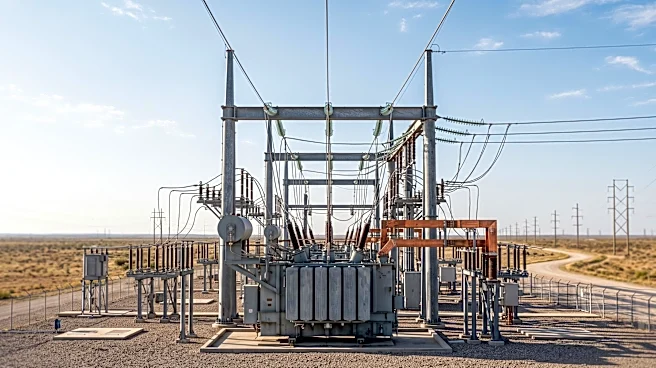
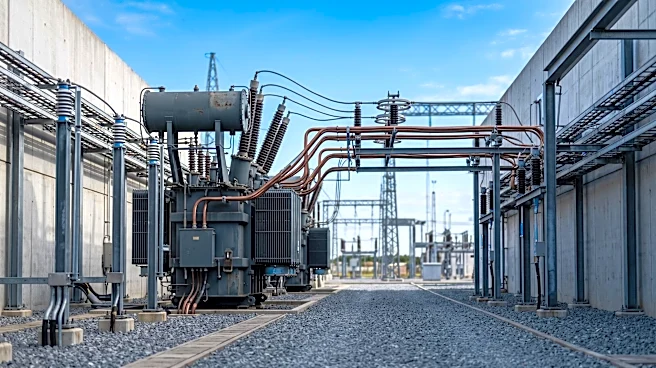
Digital Realty, a global data center platform provider, has announced that its dedicated 110 kV power connection to Digital Park Fechenheim in Frankfurt, Germany, is now operational. This fully underground
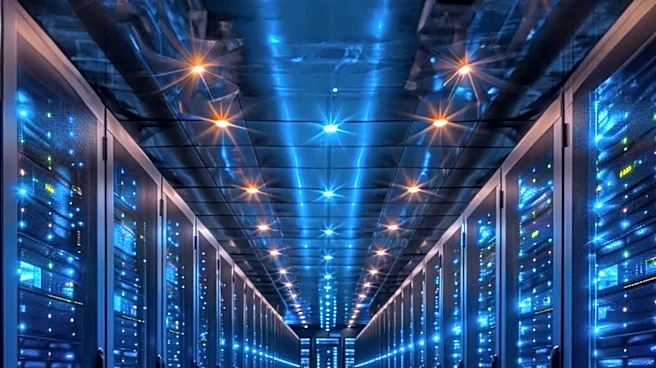
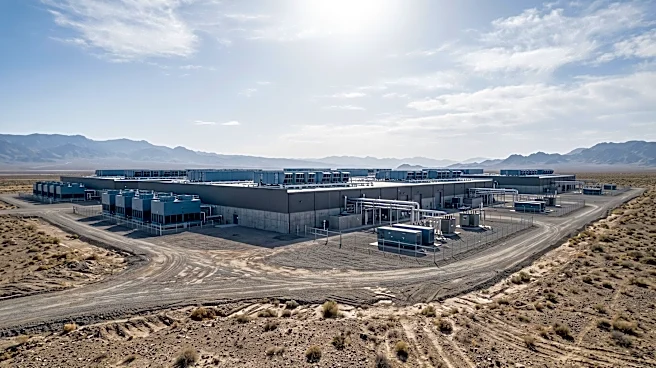
connection spans approximately 16 kilometers from the Karben substation to the data center campus. It is designed to deliver up to 300 MVA of grid connection capacity, a critical infrastructure upgrade for the expanding facility. The construction and commissioning of this connection took about 20 months and involved a triple-digit million-euro investment by Digital Realty. Over 70% of the route within Frankfurt utilized trenchless construction methods to minimize disruption to local traffic, residents, and the environment. Digital Park Fechenheim is planned to eventually house 11 data centers with up to 200 MW of IT capacity; three are currently operational, and a fourth is slated for completion in 2027. This development is part of Digital Realty's broader PlatformDIGITAL® initiative.
Why It's Important?
The activation of this dedicated power connection is crucial for Digital Realty's continued expansion in Frankfurt, a key European digital hub. Access to reliable and substantial power is a primary determinant for data center development, and by investing in its own high-voltage backbone, Digital Realty gains greater control and visibility over its power supply. This strategic move ensures the long-term growth of Digital Park Fechenheim, allowing the company to meet the escalating demands of its customers, particularly those involved in cloud services, digital transformation, and emerging technologies like artificial intelligence. For the U.S. market, this demonstrates how major American data center operators are securing critical resources in international markets to support global digital infrastructure, which in turn underpins the global operations of many U.S. businesses. The investment also signals Digital Realty's commitment to maintaining its competitive edge in the global data center market, where power availability is a significant differentiator.
What's Next?
With the new power connection in place, Digital Realty is poised to accelerate the build-out of Digital Park Fechenheim. The fourth data center is scheduled to go live in 2027, and plans for the remaining seven facilities will likely progress more rapidly, aiming for the full 200 MW IT capacity. This expansion will enable Digital Realty to accommodate more clients requiring significant data processing and storage capabilities, including hyperscalers and large enterprises. The company will continue to monitor power demands and grid stability to ensure uninterrupted service. Future developments may include further investments in renewable energy sources or advanced power management technologies to enhance sustainability and operational efficiency. This infrastructure upgrade also positions Digital Realty to attract new businesses looking for robust and scalable data center solutions in the European market, potentially influencing future investment decisions by other U.S.-based data center providers in similar international hubs.
Beyond the Headlines
This investment by Digital Realty highlights a broader trend in the data center industry: the increasing importance of self-sufficiency and direct control over critical infrastructure, especially power. As data consumption and digital transformation accelerate globally, reliable and scalable power access has become a strategic asset. Companies like Digital Realty are moving beyond traditional utility relationships to secure dedicated power lines, mitigating risks associated with grid congestion, reliability, and future capacity constraints. This approach also reflects a long-term commitment to specific geographic markets, signaling confidence in their sustained growth as digital hubs. Furthermore, the use of trenchless construction methods underscores a growing emphasis on environmental responsibility and minimizing community impact during large-scale infrastructure projects, setting a precedent for sustainable development in the digital infrastructure sector. This could influence regulatory expectations and best practices for future data center developments globally.