






What's Happening?
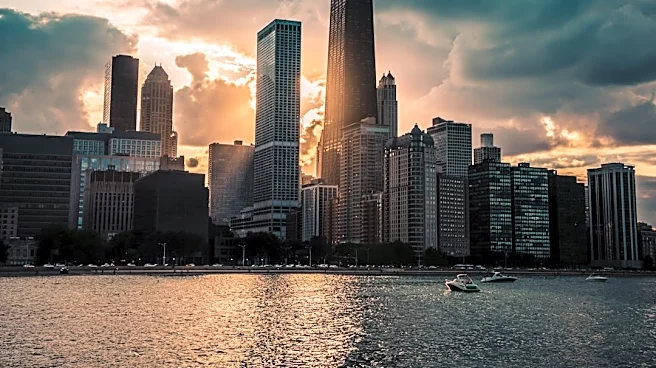
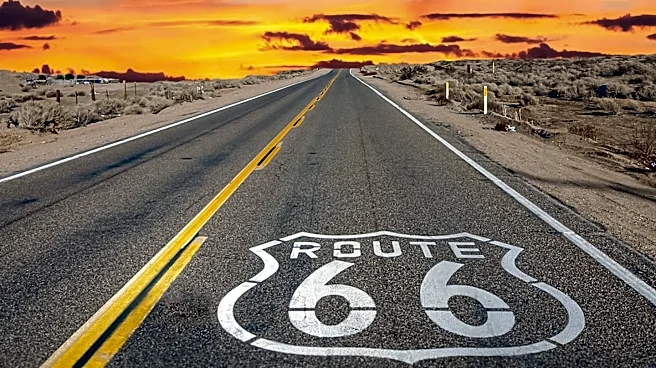
Route 66, stretching from Chicago to Santa Monica, continues to be recognized as America's most iconic road trip. This historic highway offers travelers a unique blend of classic diners, quirky roadside attractions, diverse desert landscapes, and charming
historic towns. The ideal times to embark on this journey are from April to June and September to October, when the weather is most comfortable, avoiding the soaring summer temperatures in the Southwest. Travelers can choose to experience a classic section of the route in as little as three days, such as the stretch from Chicago to St. Louis, or dedicate five to seven days to explore its most famous highlights. For those looking to complete the entire 2,400-mile (3,900 km) journey, a ten to fourteen-day trip is recommended. Key highlights along the route include the vibrant city of Chicago, the panoramic views from the Gateway Arch in St. Louis, the unique art installation of Cadillac Ranch, the ancient fossilized trees of Petrified Forest National Park, and the celebratory 'End of the Trail' sign at Santa Monica Pier.
Why It's Important?
The enduring popularity of Route 66 highlights the significant cultural and historical value placed on American road trip traditions. It serves as a tangible link to a bygone era of travel, offering a nostalgic experience that resonates with both domestic and international tourists. The route's emphasis on small towns and local attractions provides economic benefits to numerous communities along its path, supporting local businesses, diners, and unique roadside establishments that might otherwise struggle. Furthermore, the preservation and continued recognition of Route 66 contribute to the broader understanding of American history, particularly the development of its transportation infrastructure and the westward expansion. Its status as a 'bucket-list' journey underscores the desire for authentic, experiential travel that goes beyond conventional tourist destinations, fostering a deeper connection to the spirit of the open road and regional American culture.
What's Next?
The continued appeal of Route 66 suggests ongoing efforts to preserve its historical integrity and promote it as a premier travel destination. Future initiatives may focus on enhancing visitor experiences through improved signage, updated historical markers, and digital resources that guide travelers through its diverse offerings. Local communities along the route are likely to continue developing and promoting unique attractions and events to draw in tourists, further solidifying its economic impact. There may also be increased collaboration between states and historical societies to ensure the maintenance of the road and its associated landmarks. As travel trends evolve, there could be a push to integrate modern amenities and sustainable tourism practices while retaining the route's classic charm, ensuring its relevance for future generations of road trippers.
Beyond the Headlines
Beyond its immediate appeal as a scenic drive, Route 66 embodies a deeper narrative about American identity and freedom. It represents the spirit of adventure, self-discovery, and the pursuit of new opportunities that has long been central to the American ethos. The road's decline with the advent of the interstate highway system and its subsequent revitalization reflect a societal appreciation for heritage and the unique character of local communities over pure efficiency. Ethically, the preservation of Route 66 raises questions about balancing historical authenticity with modern development and tourism demands. Culturally, it has inspired countless works of art, literature, and music, cementing its place in the national consciousness as a symbol of Americana. The journey along Route 66 is not just about reaching a destination, but about the experiences and stories collected along the way, fostering a sense of connection to the country's past and its diverse landscapes.