


What's Happening?
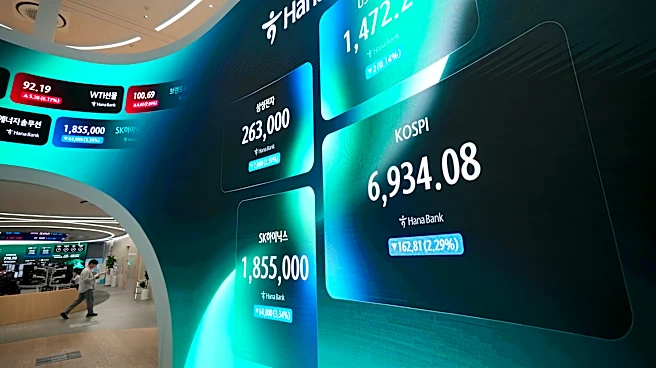
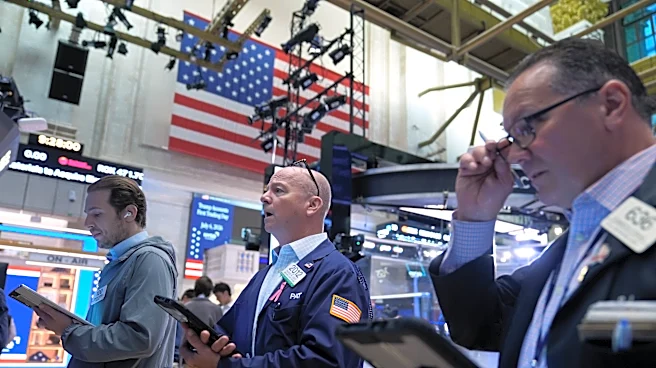
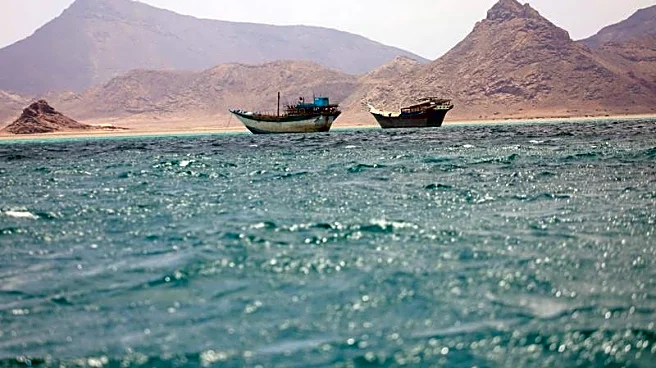
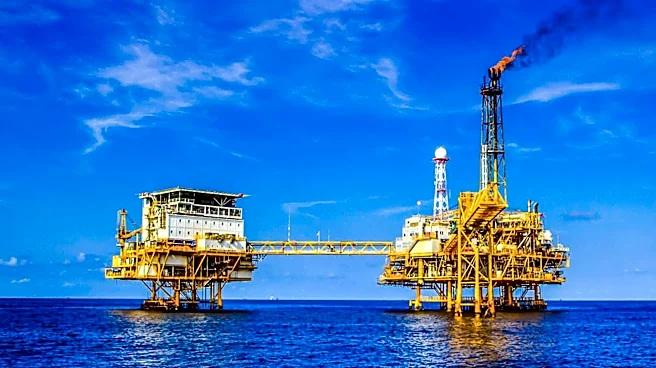
Oil prices have surged to $100 per barrel following an attack by Iran-backed Houthi rebels on two Saudi oil tankers in the Red Sea. This escalation in the Middle East has significantly impacted global energy markets, with Brent crude oil reaching its
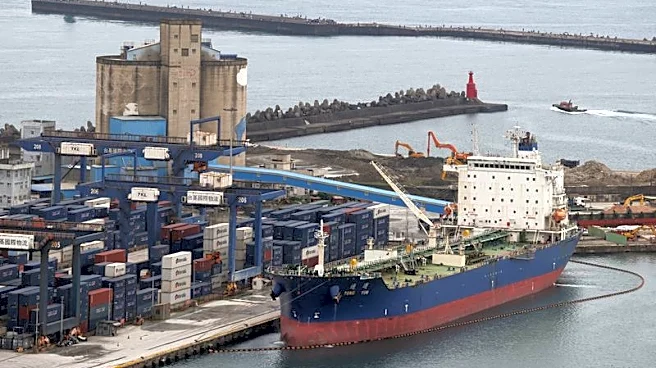
highest level since May. Concurrently, President Trump has imposed a new round of tariffs on 59 countries and the European Union, replacing expiring tariffs with new ones set at 10% and 12.5%. These tariffs, which went into effect at midnight, target countries accused of importing goods made with forced labor. The new tariffs cover over 99% of imports to the United States, although major categories like energy and many foods remain exempt.
Why It's Important?
The surge in oil prices and the imposition of new tariffs by the Trump administration have significant implications for the global economy. Rising oil prices can lead to increased costs for consumers and businesses, affecting everything from transportation to the price of goods. The new tariffs could strain international trade relations and impact global supply chains, potentially leading to higher prices for imported goods in the U.S. While the administration argues that these measures will yield long-term economic benefits, there is concern about the immediate impact on consumers and businesses, as well as the potential for retaliatory measures from affected countries.
What's Next?
The ongoing conflict in the Middle East and the new U.S. tariffs are likely to continue influencing global markets. Stakeholders, including governments and businesses, will need to navigate the economic uncertainties posed by these developments. The U.S. administration may face pressure to justify its tariff policies, especially as the midterm elections approach. Additionally, there may be diplomatic efforts to de-escalate tensions in the Middle East and stabilize oil markets. The international community will be closely monitoring these situations, as their outcomes could have far-reaching implications for global trade and economic stability.
Beyond the Headlines
The current situation highlights the interconnectedness of global markets and the potential for geopolitical events to have widespread economic repercussions. The rise in oil prices and the imposition of tariffs underscore the need for strategic economic planning and international cooperation to mitigate the impact of such events. The situation also raises questions about the effectiveness of tariffs as a tool for achieving policy objectives and the potential long-term consequences for international trade relations.