



What's Happening?
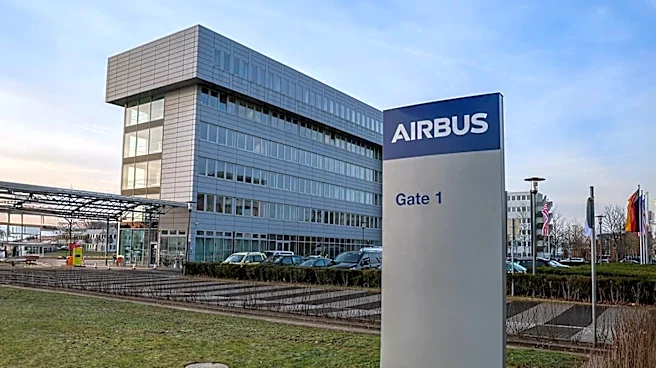
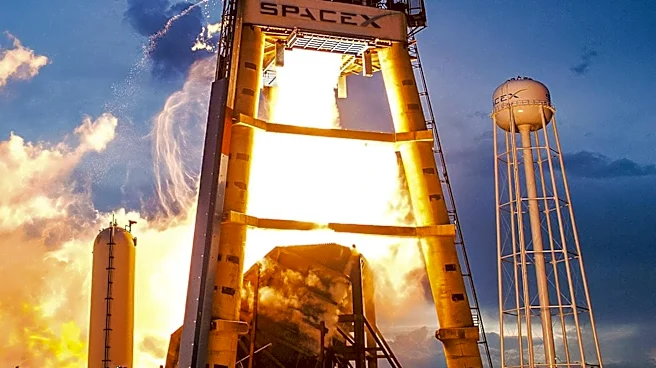
The aerospace and defense industry is experiencing a shift as new defense tech and space companies attract top engineering talent away from traditional giants like Boeing, Airbus, and Lockheed Martin. These newer companies, such as SpaceX, Anduril, and Shield
AI, offer stock compensation that can lead to significant wealth, making them attractive to ambitious engineers. The traditional aerospace companies, which have long been the preferred employers for engineers, are now facing challenges in retaining their workforce due to the lack of financial incentives like pensions. The industry is seeing a trend where engineers are more willing to move to competitors for better compensation packages.
Why It's Important?
This shift in talent dynamics is crucial for the aerospace and defense industry as it could lead to a competitive advantage for companies that successfully retain their engineers. The ability to attract and keep top talent is essential for innovation and maintaining a competitive edge in developing advanced technologies. As newer companies offer opportunities for engineers to build generational wealth, traditional companies may need to rethink their compensation strategies to prevent a talent exodus. This trend could impact the industry's ability to meet the growing demand for advanced aerospace and defense technologies.
What's Next?
Traditional aerospace companies may need to innovate their compensation and incentive structures to retain their engineering talent. This could involve offering stock options or other financial incentives to compete with the attractive packages offered by newer companies. Additionally, there may be increased competition among companies to attract young engineers, leading to a potential reshaping of the industry's workforce landscape. Companies that fail to adapt may find themselves at a disadvantage in the rapidly evolving aerospace and defense market.