



What's Happening?
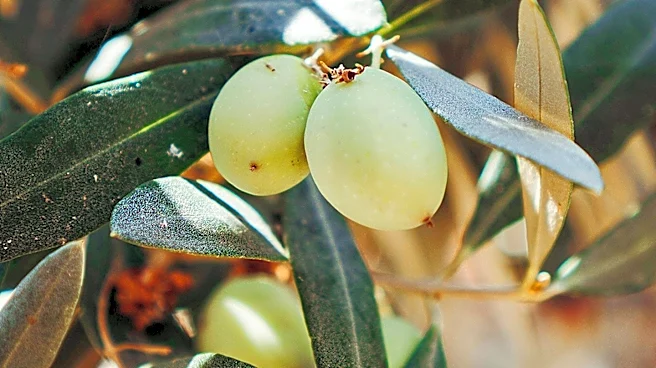
Uzbekistan and Azerbaijan are significantly expanding their agricultural collaboration, with a particular focus on introducing olive and hazelnut farming in Uzbekistan. Uzbekistan's Agriculture Minister Ibrokhim Abdurakhmonov reported that over 1,200
seedlings are currently undergoing trials in specialized gardens to assess their adaptability to local climatic conditions. This initiative is part of broader efforts to strengthen agricultural ties between the two nations, which have seen bilateral trade increase by nearly 70% since the beginning of the year. Uzbekistan has established trade houses in Baku to promote its agricultural products, while Azerbaijan is facilitating these exports. The cooperation also extends to agricultural risk insurance, with Uzbekistan adopting legislation based on Azerbaijan's experience. Furthermore, Uzbekistan is contributing to Azerbaijan's reconstruction efforts in the Karabakh region by developing a 100-hectare pomegranate orchard in Fuzuli, while a new large-scale orchard project in Uzbekistan's Namangan region aims to target the Azerbaijani market.
Why It's Important?
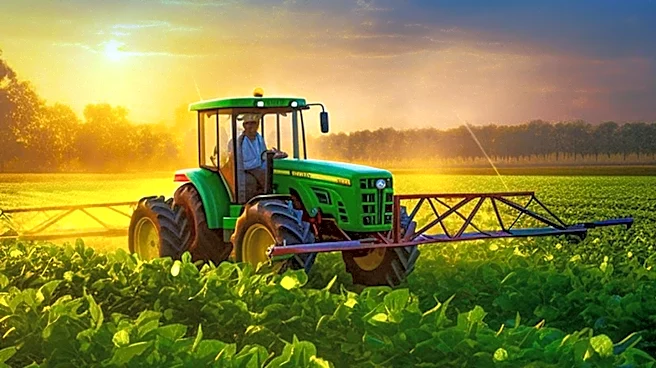
This enhanced agricultural cooperation between Uzbekistan and Azerbaijan holds significant importance for regional economic development and food security. For Uzbekistan, diversifying its agricultural output with high-value crops like olives and hazelnuts could create new revenue streams, reduce reliance on traditional crops, and improve agricultural resilience. The adoption of Azerbaijan's agricultural risk insurance models can provide greater stability for Uzbek farmers, mitigating financial losses from unforeseen events. The increase in bilateral trade and the establishment of trade houses foster stronger economic integration and market access for both countries' agricultural products. Uzbekistan's participation in the reconstruction of the Karabakh region through agricultural projects demonstrates a commitment to regional stability and shared prosperity. This collaboration could serve as a model for other Central Asian and Caspian Sea nations seeking to leverage agricultural innovation and regional partnerships for economic growth.
What's Next?
The immediate next steps involve continued monitoring and adaptation of the olive and hazelnut seedlings to Uzbekistan's climate, with scientists working to optimize their growth. Further expansion of bilateral trade is anticipated, supported by the existing trade infrastructure and ongoing governmental cooperation. Uzbekistan is expected to continue implementing agricultural risk insurance policies, potentially refining them based on initial outcomes. The pomegranate orchard project in Fuzuli and the new orchard in Namangan will progress, with their produce eventually entering regional markets. Both countries will likely explore additional areas for agricultural collaboration, potentially including technology transfer, joint research, and investment in agricultural infrastructure. The success of these initiatives could lead to increased agricultural output, job creation, and enhanced food security across the region.
Beyond the Headlines
Beyond the immediate economic benefits, this agricultural partnership signifies a deeper trend of increasing regional self-reliance and cooperation in Central Asia and the South Caucasus. By focusing on agricultural diversification and mutual support, these nations are building resilience against global supply chain disruptions and climate change impacts. The exchange of expertise in areas like agricultural risk insurance highlights a pragmatic approach to problem-solving and knowledge sharing. This collaboration also subtly reinforces geopolitical alignments, as countries in the region seek to strengthen ties and reduce external dependencies. The long-term implications could include the emergence of new agricultural hubs, a more integrated regional food market, and a greater capacity for these nations to address their own food security challenges through sustainable and cooperative practices, fostering a sense of shared destiny and collective development.