




What's Happening?
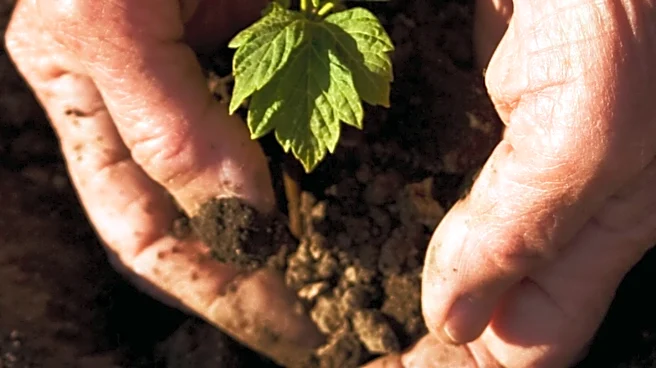
Proper planting and aftercare are crucial for the survival and establishment of new plants, with a primary focus on protecting the roots. According to Red Panda Nursery, the most common mistake gardeners make is allowing plant roots to dry out, even for a short
period. Roots should be kept moist and shielded from wind and sun exposure, ideally for less than 20 seconds during the transfer from packaging to the planting hole. It is recommended to have the planting hole ready before removing the plant from its container. For large quantities of trees, placing roots into large bags for protection is advised. After unpacking, dipping the root ball in water for 1-2 seconds ensures moisture. Over-soaking roots should be avoided, as this practice is typically for plants in open-air cold storage, which is less common now. Roots should be spread straight in the hole, with loose soil pushed around to eliminate air pockets and ensure good soil contact.
Why It's Important?
The emphasis on root protection during planting is vital for the U.S. horticulture and landscaping industries. High plant mortality rates due to improper planting techniques result in significant financial losses for nurseries, landscapers, and consumers. By adhering to best practices, such as minimizing root exposure and ensuring proper hydration, the success rate of new plantings can dramatically improve. This not only saves money but also contributes to more sustainable gardening and landscaping efforts, reducing the need for frequent plant replacements. For homeowners and community gardens, understanding these critical steps empowers them to create healthier, more resilient green spaces, enhancing property values and local biodiversity. The long-term health of urban forests and agricultural projects also hinges on these foundational planting principles.
What's Next?
Gardeners and landscapers should prioritize preparing planting sites in advance and having all necessary tools and water readily available before handling plants. Nurseries and garden centers can enhance customer education by providing clear, concise instructions on root care during planting, possibly through visual aids or demonstrations. Training programs for landscaping professionals should heavily emphasize these techniques to ensure consistent application across projects. Further innovation in plant packaging that better protects roots during transport and temporary storage could also emerge. Additionally, community-led initiatives promoting proper planting techniques could help reduce plant loss in public greening projects, fostering a more successful and sustainable approach to urban and suburban landscaping.
Beyond the Headlines
The seemingly simple act of planting a tree or shrub carries profound ecological and economic implications. The vulnerability of plant roots during transplanting highlights the delicate balance required for successful ecosystem establishment. This focus on root health extends beyond individual plants to the broader health of soil microbiomes, which are essential for nutrient cycling and water retention. The advice against over-soaking roots and the importance of mycorrhizae (beneficial fungi) underscore a shift towards more biologically informed gardening practices. This deeper understanding of plant-soil interactions can lead to more resilient landscapes, better equipped to withstand environmental stresses, and contribute to long-term ecological stability. The success of these foundational practices ultimately supports the aesthetic, environmental, and economic benefits that healthy plant life provides.