

What's Happening?
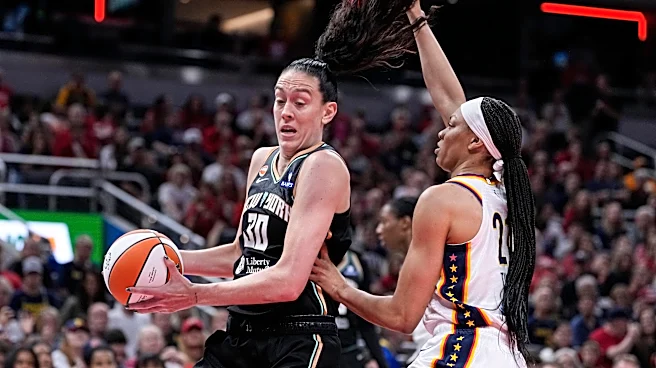
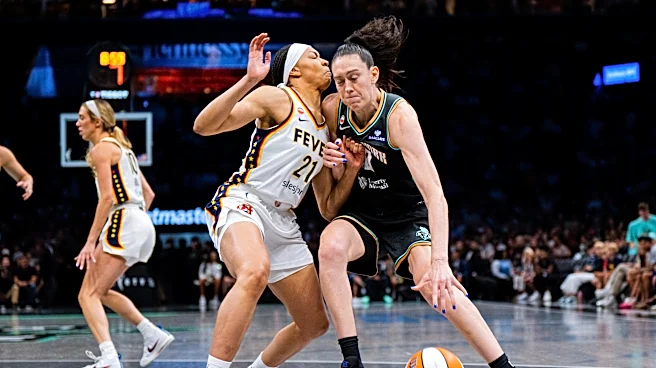
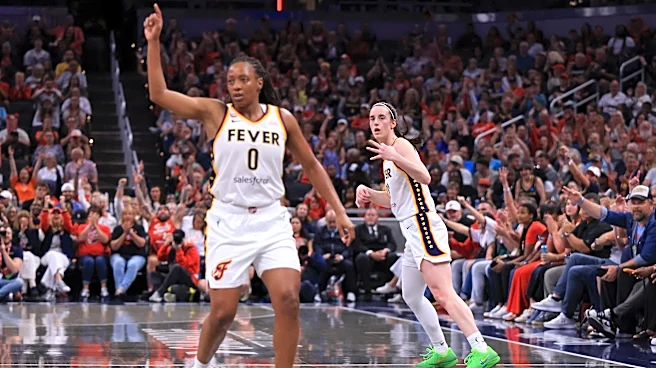
The New York Liberty basketball team displayed multiple pro-transgender messages on their scoreboard during halftime of their game against the Indiana Fever. This occurred on Saturday, following an incident where the team refunded a woman whose paid scoreboard message,
thanking XX-XY Athletics founder Jennifer Sey, was deemed ineligible. Simultaneously, a large group of transgender activists held a counter-protest outside the Barclays Center, opposing a 'Sophie Cunningham rally.' These activists reportedly refused interviews with Fox News Digital, crowded a reporter, and chanted 'trans lives matter!' A Fox News Digital photographer also had their glasses taken during the interaction. The Liberty's scoreboard messages included phrases like 'Big welcome to the NY Liberty transgender fan community! So excited to be here with you all!!', 'Welcome Trans Liberty fans! You are loved and you belong!', and 'Hey trans fans! Glad you're here! Go Liberty!' The team had previously informed the woman, Julie Potter, that her original message was changed to 'Thank you Jennifer Sey, thank you for all you do for XX-XY Athletics,' citing a policy against messages that 'may intentionally or unintentionally violate that spirit' of positive, celebratory content. Potter objected to the change and received a refund.
Why It's Important?
This event highlights the increasing intersection of professional sports and social activism, particularly concerning transgender rights. The New York Liberty's decision to display pro-transgender messages on their scoreboard, while simultaneously rejecting a message perceived as supporting a 'Save Women's Sports' movement, underscores the complex and often contentious nature of these issues. The protests outside the arena, involving both supporters and counter-protesters, demonstrate the deep divisions within society regarding gender identity and sports. For the WNBA, an organization that has often embraced social justice causes, this situation could further solidify its stance on inclusivity but also potentially alienate some fans or draw criticism from groups with differing views. The incident also raises questions about freedom of speech within private venues and the criteria teams use to approve or reject paid messages, especially when they touch upon sensitive social topics. The involvement of media outlets and the reported actions of protesters against journalists further emphasize the high-stakes and emotionally charged environment surrounding these discussions.
What's Next?
The New York Liberty may face continued scrutiny regarding their scoreboard message policy and their stance on transgender inclusion. It is possible that other sports teams or leagues will observe this situation to inform their own policies on social messaging and fan engagement. The 'Sophie Cunningham rallies' and counter-protests are likely to continue, indicating ongoing public debate and activism around women's sports and transgender participation. Media outlets will likely continue to cover these events, potentially leading to further discussions about media access and safety for journalists covering contentious protests. The incident could also prompt further dialogue within the WNBA and other sports organizations about how to navigate diverse fan opinions and social issues while maintaining an inclusive environment. The broader conversation about the role of transgender individuals in sports, particularly women's sports, is expected to persist, influencing policy decisions at various levels.
Beyond the Headlines
This incident delves into the broader cultural and ethical considerations surrounding identity, inclusion, and expression in public spaces, particularly within the context of professional sports. The Liberty's actions and the subsequent protests reflect a societal tension between different interpretations of fairness, equality, and safety in sports. The debate over 'Save Women's Sports' often centers on biological differences and competitive equity, while pro-transgender advocates emphasize inclusion and the right to participate. The team's decision to prioritize certain messages over others, even paid ones, highlights the power of organizations to shape narratives and influence public discourse. This also touches upon the evolving role of sports franchises as not just entertainment providers, but also as platforms for social and political statements. The reported actions against journalists during the protest raise concerns about freedom of the press and the challenges of reporting on highly polarized issues, underscoring the need for respectful dialogue and the protection of media professionals.