
What's Happening?
Ben Shelton, a prominent American tennis player, comes from a family deeply rooted in competitive tennis. His parents, Bryan and Lisa Shelton, both played the sport, with Bryan having a nearly decade-long professional career and a successful college coaching
tenure. Despite this background, Ben initially preferred football and only seriously engaged with tennis around age 11, choosing the sport independently. His father, Bryan, now serves as his full-time coach, traveling with him to major tournaments. Lisa, who played at the junior level, and his older sister Emma, who played college tennis, also provide significant support. This family dynamic has been crucial to Ben's rapid ascent in the ATP Tour, with his father's experience serving as a valuable resource rather than a burden. Bryan's coaching approach emphasizes allowing Ben to process results before offering criticism or praise, fostering an independent relationship with the game.
Why It's Important?
The story of Ben Shelton highlights the unique blend of inherited athletic talent and personal choice in the development of a top-tier athlete. His family's extensive tennis background provided an unparalleled foundation of knowledge and experience, yet their decision to allow him to discover the sport on his own terms fostered a genuine passion. This approach contrasts with scenarios where children of athletes are pressured into following their parents' footsteps, often leading to burnout or resentment. Bryan Shelton's transition from a successful professional player and college coach to his son's full-time coach demonstrates a significant commitment and a deep understanding of the sport's demands. This close-knit family support system, particularly the father-son coaching relationship, offers a model for nurturing athletic talent while prioritizing the individual's autonomy and well-being. It underscores the idea that while genetics and environment play a role, intrinsic motivation is paramount for sustained success in highly competitive fields like professional tennis.
What's Next?
As Ben Shelton continues his professional tennis career, the ongoing influence of his family, particularly his father's coaching, will remain a critical factor. Bryan Shelton is listed as Ben's coach for the 2026 season, indicating a continued partnership through major tournaments. This arrangement suggests that Ben will benefit from his father's extensive experience and personalized coaching approach as he navigates the challenges of the ATP Tour. The family's presence at matches, with Lisa and Emma frequently in the stands, will likely continue to provide a stable support system. Future developments will include how this unique father-son coaching dynamic evolves, especially during high-pressure situations in Grand Slams and other significant events. The continued success of Ben Shelton could further highlight the effectiveness of this family-centric model in professional sports, potentially influencing other aspiring athletes and their families.
Beyond the Headlines
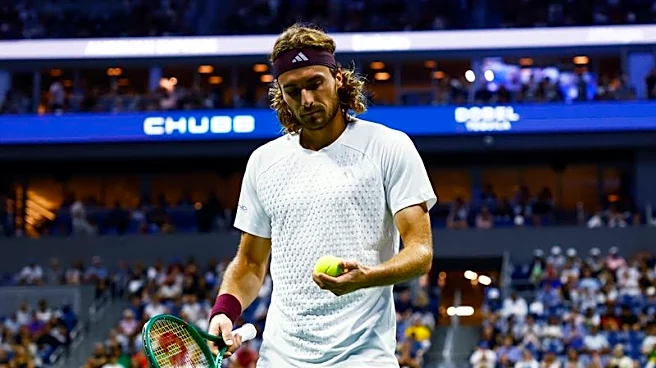
Beyond the immediate success on the court, Ben Shelton's journey offers insights into the psychological aspects of athletic development. The emphasis on personal choice in his early engagement with tennis, rather than parental pressure, likely contributed to his intrinsic motivation and resilience. This approach can lead to a more sustainable and enjoyable career, as the athlete feels a sense of ownership over their path. The father-son coaching relationship, while offering advantages in terms of trust and understanding, also presents unique challenges in maintaining professional boundaries and managing personal dynamics. The ability of Bryan and Ben to navigate this dual relationship effectively speaks to their strong communication and mutual respect. Furthermore, the story subtly touches upon the broader shift in tennis, where the modern power game has led to a decline in traditional strokes like the one-handed backhand, as noted by Stefanos Tsitsipas. Shelton's success, rooted in a contemporary playing style and a supportive family structure, reflects the evolving landscape of professional tennis.