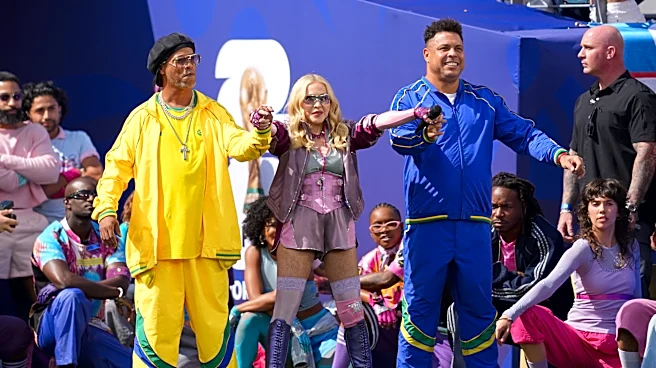










What's Happening?
BTS, the globally renowned South Korean boy band, is set to perform at the 2026 World Cup halftime show. This marks a significant milestone as it is the first-ever halftime show for the World Cup, a concept more familiar to American sports events. BTS, known
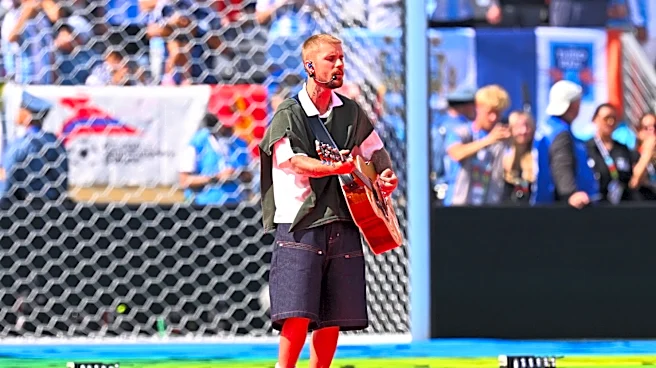
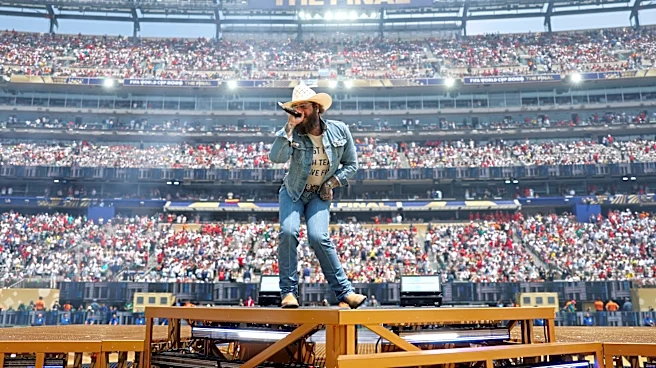
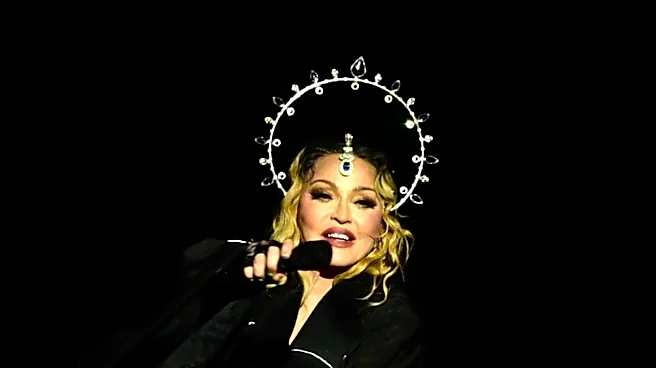
for their energetic performances and sharp dance moves, will join other major artists like Shakira, Madonna, and Justin Bieber during the halftime of the final match between Spain and Argentina. The group, which debuted in 2013, has achieved worldwide stardom, becoming the first South Korean pop artists to be nominated for a Grammy Award in 2020. They have amassed over 53 billion streams on Spotify, with their hit song 'Dynamite' alone garnering 2.3 billion streams.
Why It's Important?
BTS's participation in the World Cup halftime show underscores the increasing globalization of entertainment and the growing influence of K-pop on the international stage. Their involvement is expected to draw significant global attention to the event, potentially increasing viewership and engagement. This performance also highlights the cultural exchange facilitated by such international events, showcasing diverse musical talents to a worldwide audience. For BTS, this opportunity further solidifies their status as global icons and pioneers in bringing K-pop to mainstream Western audiences. The event could also influence future World Cup halftime shows, setting a precedent for incorporating diverse musical acts.
What's Next?
Following their World Cup performance, BTS is likely to see a surge in their global fanbase and streaming numbers, further cementing their position in the music industry. The success of this halftime show could lead to more international collaborations and performances for the group. Additionally, FIFA may consider making halftime shows a regular feature in future World Cups, potentially inviting a wider array of international artists. This could open doors for other non-Western artists to gain exposure on a global platform, promoting cultural diversity in major sporting events.