






What's Happening?
Advanced Functional Fabrics of America (AFFOA), a Manufacturing USA Institute, has released its Digital Manufacturing Playbook. This resource aims to assist U.S. textile manufacturers in identifying opportunities for improvement and implementing digital
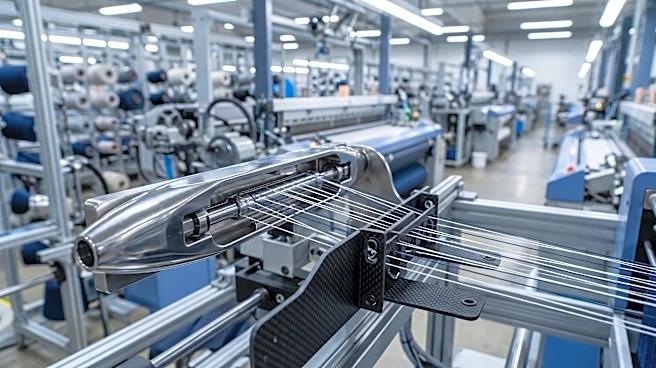
manufacturing strategies. The Playbook offers practical guidance for companies, ranging from small businesses to larger operations, including yarn spinners, fabric mills, and end-item manufacturers. It addresses common industry challenges such as an aging workforce, reliance on paper-based tracking, legacy equipment, and supply chain risks. The Playbook provides various entry points for manufacturers to adopt digital tools based on their current operations and specific challenges. It helps them understand their starting point, prioritize opportunities by linking business objectives to digital capabilities, evaluate relevant tools, plan focused implementations, and support lasting adoption through workforce skill development and tailored ownership. AFFOA will also co-host a free webinar, 'Your Next Move in Textiles: An Accessible Introduction to Smart Manufacturing,' on November 19th, 2026, with CESMII, another Manufacturing USA Institute, to further introduce practical smart manufacturing concepts to textile operations.
Why It's Important?
The release of AFFOA's Digital Manufacturing Playbook is crucial for the competitiveness and modernization of the U.S. textile industry. By providing a structured approach to digital transformation, the Playbook can help manufacturers overcome significant operational hurdles, such as inefficiencies from outdated processes and vulnerabilities in supply chains. This initiative is particularly vital for small and mid-sized manufacturers who may lack the resources or expertise to independently navigate digital adoption. Enhanced digital capabilities can lead to improved production visibility, better quality documentation, streamlined product development, and more effective preservation of workforce knowledge, which is critical given an aging workforce. Ultimately, this can bolster the domestic textile industry's resilience, innovation capacity, and ability to compete globally, contributing to economic stability and job retention within the sector.
What's Next?
Following the release of the Digital Manufacturing Playbook, AFFOA and CESMII will host a webinar on November 19th, 2026, titled 'Your Next Move in Textiles: An Accessible Introduction to Smart Manufacturing.' This session will provide a plain-language introduction to practical and affordable smart manufacturing for textile operations, offering low-cost first steps that can integrate with existing equipment. Attendees will also receive access to a free readiness self-assessment. The Playbook itself is designed to be a continuous resource, guiding manufacturers through understanding their current workflows, prioritizing digital opportunities, evaluating tools, planning implementations, and ensuring long-term adoption. The ongoing support and educational initiatives from AFFOA are expected to encourage a broader embrace of digital manufacturing practices across the U.S. textile sector, leading to incremental improvements in efficiency and competitiveness.
Beyond the Headlines
The Digital Manufacturing Playbook signifies a broader strategic effort to revitalize and future-proof the U.S. textile industry. Beyond immediate operational improvements, this initiative addresses systemic issues such as the skills gap in manufacturing and the need for greater supply chain resilience. By promoting digital literacy and adoption, AFFOA is helping to cultivate a more technologically advanced workforce, which is essential for innovation in smart fabrics and advanced textile materials. The emphasis on practical, accessible steps ensures that even manufacturers with limited digital infrastructure can begin their transformation, fostering a more inclusive technological upgrade across the industry. This move also aligns with national efforts to strengthen domestic manufacturing capabilities and reduce reliance on foreign supply chains, contributing to national economic security and technological leadership in advanced materials.