






What's Happening?
The restaurant industry is experiencing a significant trend towards nostalgic desserts, appealing to consumers of all ages. According to Technomic's Ignite Menu report, dessert menu items increased by 11% over the past five years, with nostalgic categories
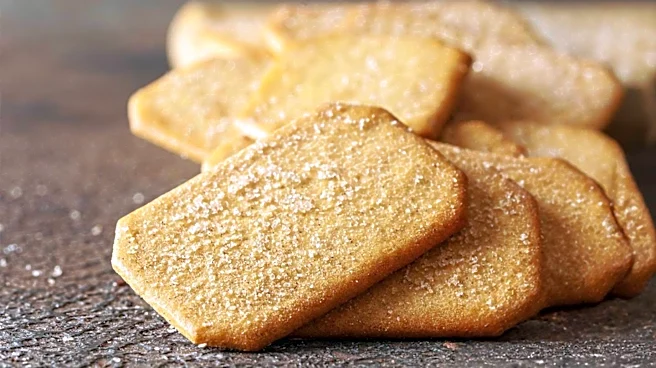
like pudding/gelatin (+22.9%), cakes (+19.8%), fruit desserts (+17.4%), and doughnuts (+15%) showing the fastest growth. Flavors such as Biscoff (+212.5%), ginger snap (+120%), and banana bread (+79.2%) have also seen substantial increases. Consumers express strong preferences for classic flavors, with 72.8% liking S’mores, 68.6% liking Banana Bread, and 65.2% liking Cotton Candy. This trend is driven not only by older generations reminiscing but also by younger consumers discovering these flavors for the first time. Chefs are leveraging this familiarity to introduce innovative twists on classic desserts, creating both cherished memories and new experiences for diners. Limited-time offers (LTOs) featuring vintage flavors are also popular among frozen dessert brands, such as Andy’s Frozen Custard’s S’mores Jackhammer and Sonic Drive-In’s Banana Pudding soft serve items.
Why It's Important?
The resurgence of nostalgic desserts holds significant importance for the U.S. restaurant industry, offering a strategic avenue for driving sales and enhancing customer engagement. By tapping into consumers' emotional connections with classic flavors, restaurants can foster a sense of familiarity and comfort, which can lead to increased indulgence and repeat business. This trend allows operators to cater to a broad demographic, as both older and younger consumers are drawn to these offerings, albeit for different reasons. The data from Technomic underscores a clear market demand, indicating that investing in nostalgic dessert options can yield substantial returns. Furthermore, the ability to introduce 'unexpected twists' on familiar items provides chefs with creative freedom while still leveraging established consumer preferences. This approach can differentiate establishments in a competitive market and create memorable dining experiences, ultimately contributing to stronger brand loyalty and revenue growth across the food service sector.
What's Next?
The trend of nostalgic desserts is expected to continue influencing menu development and marketing strategies within the U.S. restaurant industry. Operators will likely further explore classic dessert categories and flavors, potentially leading to more innovative interpretations and collaborations. We can anticipate a continued focus on limited-time offers (LTOs) that capitalize on seasonal or holiday-themed nostalgic treats, creating a sense of urgency and excitement among consumers. Food manufacturers may also increase their production of ingredients and mixes that cater to these popular retro flavors, supporting restaurants in their menu creations. Additionally, as consumers increasingly seek authentic and meaningful experiences, restaurants might emphasize the storytelling behind their nostalgic offerings, highlighting the history or cultural significance of certain desserts. This could involve special presentations, tableside preparations, or unique ingredient sourcing to enhance the overall dining experience and deepen the emotional connection with the food.
Beyond the Headlines
Beyond the immediate sales impact, the popularity of nostalgic desserts reflects deeper societal and psychological trends. In an increasingly fast-paced and often uncertain world, consumers may seek comfort and stability in familiar tastes and experiences from their past. These desserts can evoke feelings of security, happiness, and simpler times, offering a form of emotional escapism. The trend also highlights the power of shared cultural memory, as certain flavors and dishes transcend generations, creating common ground for diverse age groups. Ethically, this trend encourages a re-evaluation of culinary heritage and traditional recipes, potentially leading to a greater appreciation for classic techniques and ingredients. It also underscores the importance of authenticity in food, as consumers are drawn to genuine flavors and experiences rather than purely novel ones. This shift could influence long-term culinary education and the preservation of traditional American dessert recipes.