






What's Happening?
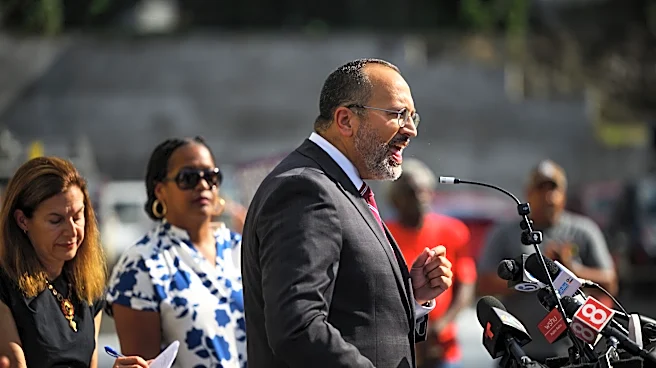
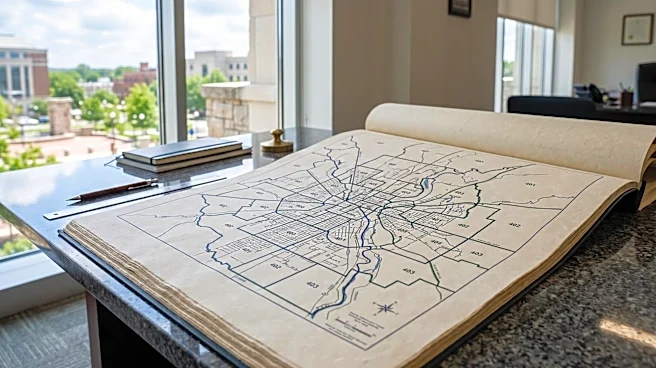
Governor Josh Green of Hawaii has announced the designation of 25 new census tracts across the state as Qualified Opportunity Zones under the federal Opportunity Zones 2.0 program. These designations include four specific locations on Hawaiʻi Island:
three in Hilo (Puʻueo-Downtown, Villa Franca-Kaikoʻo, and University-Houselots) and one in Kona (Kealakehe). The Opportunity Zones 2.0 program provides federal tax incentives to investors who commit long-term capital to designated low-income communities, with additional benefits for eligible rural areas. Governor Green emphasized that these designations are intended to catalyze investments to build a healthier and more affordable Hawaii for local residents. The 25 census tracts also include 19 on Oʻahu and two on Maui, notably Lahaina’s Front Street census tract.
Why It's Important?
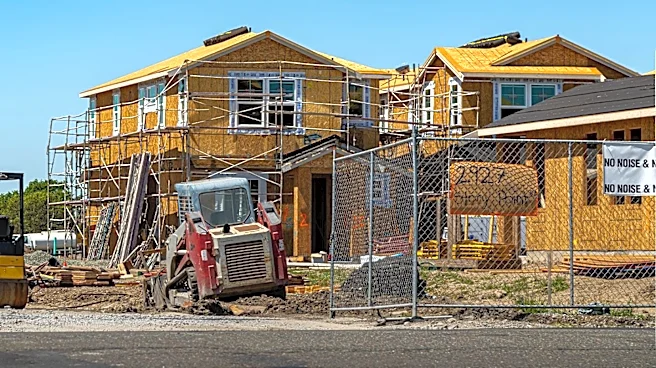
The designation of these new Opportunity Zones is a significant economic development initiative for Hawaii, aiming to unlock hundreds of millions of dollars in private investment for economically depressed neighborhoods. By offering federal tax incentives, the program seeks to attract capital that might otherwise not flow into these areas, fostering job creation, business growth, and infrastructure development. For communities in Hilo and Kona, as well as other designated areas including Lahaina, these investments could lead to revitalization, improved public services, and increased affordability. Governor Green's statement highlights the goal of building a stronger, more diverse economy to enable residents to stay, work, and thrive in Hawaii, addressing long-standing issues of economic opportunity and cost of living. This initiative is crucial for stimulating local economies and promoting equitable development across the islands.
What's Next?
Following the designation, the focus will shift to attracting and facilitating investments into these newly established Opportunity Zones. State and local agencies will likely work to promote these areas to potential investors, providing information on specific projects and development opportunities. The success of the program will depend on the ability to effectively channel private capital into projects that align with community needs and state development goals. Monitoring the impact of these investments on job growth, housing affordability, and overall economic well-being in the designated tracts will be essential to assess the program's effectiveness and inform future policy decisions. The state will also need to ensure that the benefits of these investments are realized by the local communities and contribute to sustainable development.
Beyond the Headlines
Governor Green's perspective as a physician, having spent his career in resource-scarce areas, provides a unique lens through which to view the Opportunity Zones initiative. His belief that 'when you invest early and in the right places, you prevent a lot of pain down the road' suggests a proactive, preventative approach to economic and social health. This goes beyond mere financial incentives, implying a commitment to long-term community well-being and addressing root causes of economic disparity. The inclusion of Lahaina's Front Street tract, a community recently impacted by disaster, underscores the potential for Opportunity Zones to play a role in post-disaster recovery and rebuilding efforts, integrating economic revitalization with broader community healing and resilience. This holistic view emphasizes that economic development is not just about numbers but about creating healthier, more stable communities.