






What's Happening?
White gold is an alloy created by mixing pure gold with at least one white metal, such as nickel, palladium, or silver, to achieve a lighter color and increased strength. Pure 24-karat gold is too soft for most jewelry, making alloys like white gold more
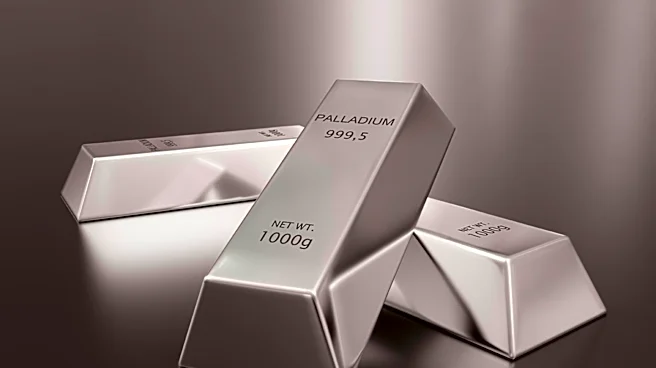
suitable for daily wear. The karat stamp indicates the gold content; for example, 18-karat white gold is 75% gold, while 14-karat is approximately 58% gold. The remaining percentage consists of other metals that influence the shade, hardness, and wearability of the alloy. Nickel is a common and cost-effective whitening metal, though some individuals may experience skin sensitivity. Palladium, a platinum-group metal, is used in higher-quality white gold alloys, particularly 18-karat, due to its naturally white color, though it increases the cost. Most white gold jewelry is rhodium-plated to achieve a bright white finish and enhance scratch and tarnish resistance, as unplated white gold often retains a faint yellow or gray tint.
Why It's Important?
The composition and characteristics of white gold are important for consumers and the jewelry industry in the U.S. Understanding the alloy's components helps consumers make informed purchasing decisions, especially regarding potential skin sensitivities to metals like nickel. The rhodium plating, while providing a desirable bright white finish, requires periodic replating, which is a factor in long-term maintenance and cost for jewelry owners. This distinction is crucial when comparing white gold to naturally white metals like platinum, which do not require plating and maintain their color over time. The value of white gold is primarily derived from its gold content, meaning a 14-karat white gold ring has the same intrinsic gold value as a 14-karat yellow gold ring of equal weight. This impacts pricing and resale value within the U.S. jewelry market, where the spot price of gold is a key determinant.
What's Next?
For owners of white gold jewelry, regular maintenance, specifically replating with rhodium, will be necessary to preserve its bright white appearance. Over time, friction, wear, and exposure to harsh chemicals can thin the rhodium layer, revealing the warmer undertones of the alloy beneath. Jewelers can restore the finish through replating. The ongoing demand for white gold in the U.S. jewelry market will continue to be influenced by consumer preferences for its aesthetic, its price point compared to platinum, and the perceived value of its gold content. Manufacturers will likely continue to explore different alloy compositions to balance cost, durability, and hypoallergenic properties, catering to diverse consumer needs and market trends.
Beyond the Headlines
The development of white gold as an imitation of platinum highlights a broader trend in the jewelry industry: the creation of accessible alternatives to rare and expensive materials. This innovation allows a wider range of consumers to access desired aesthetics at different price points. The choice between white gold, yellow gold, platinum, and sterling silver reflects not only aesthetic preferences but also considerations of durability, maintenance, and intrinsic value. The use of specific metals in alloys, such as nickel, also raises ethical and health considerations regarding allergic reactions, prompting ongoing discussions about material transparency and consumer safety in the U.S. jewelry sector. The need for replating also underscores the concept of 'planned obsolescence' in luxury goods, where maintenance is built into the product's lifecycle.