




What's Happening?
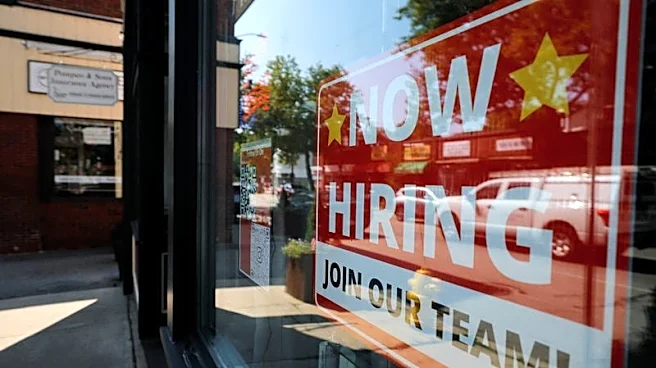
The U.S. economy significantly surpassed expectations in August by adding 162,000 jobs, nearly triple the forecasted 53,000. This robust job growth was accompanied by upward revisions to June and July payrolls, which increased by a combined 55,000. The unemployment
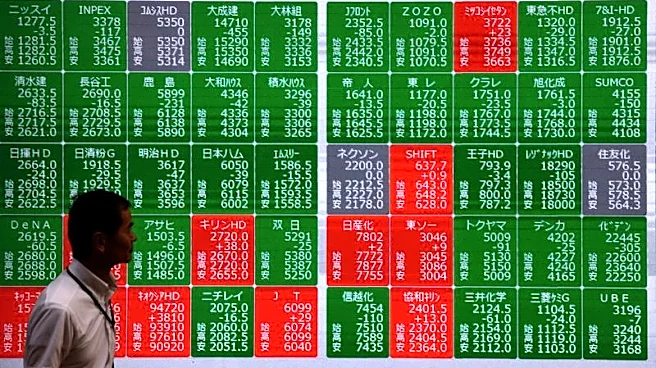
rate remained stable at 4.1%. This strong labor market performance has intensified discussions regarding a potential interest rate hike by the Federal Reserve in September. Despite the strong hiring figures, wage growth slowed to 3.1% over the past year, falling behind the rate of inflation. The jobs report led to a market reaction where shorter-term yields and the dollar rose, while assets like Bitcoin and gold saw declines. This shift occurred after Federal Reserve Governor Christopher Waller had previously indicated a possibility of holding interest rates steady if inflation continued to cool, which had initially caused markets to move in the opposite direction.
Why It's Important?
This jobs report is crucial as it provides strong evidence of a resilient U.S. labor market, which could influence the Federal Reserve's monetary policy decisions. The significant job additions strengthen the case for a September interest rate hike, potentially impacting borrowing costs for businesses and consumers. A rate hike could lead to higher loan rates for mortgages, auto loans, and business investments, potentially slowing economic growth. Conversely, maintaining a strong labor market is vital for consumer confidence and spending. The slower wage growth, however, presents a mixed signal, as it could alleviate some inflationary pressures but also reduce the purchasing power of workers if it continues to lag behind inflation. The market's immediate reaction, with a rise in yields and the dollar, indicates investor anticipation of tighter monetary policy, which could affect various asset classes, including cryptocurrencies and commodities.
What's Next?
The Federal Reserve's upcoming September meeting will be closely watched for its decision on interest rates, with the strong August jobs report adding pressure for a potential hike. Market participants will be analyzing upcoming inflation data, as cooler wage growth might offer some counter-argument against immediate tightening. Should inflation data remain elevated, a rate hike becomes more probable. Conversely, if inflation shows further signs of cooling, the Fed might opt to hold rates steady, as suggested by Governor Waller. Businesses and consumers should prepare for potential shifts in interest rates, which could influence investment decisions, borrowing costs, and overall economic activity. The performance of the dollar and shorter-term yields will continue to be key indicators of market sentiment regarding the Fed's next moves.
Beyond the Headlines
The robust jobs report, particularly in the context of slowing wage growth, highlights a complex economic landscape. While strong employment numbers typically signal a healthy economy, the lagging wage growth relative to inflation suggests that many workers may not be experiencing a real increase in their purchasing power. This could lead to ongoing debates about the effectiveness of current economic policies in improving living standards for the average American. Furthermore, the report's impact on the Federal Reserve's decision-making underscores the delicate balance between controlling inflation and sustaining economic growth. The market's volatility in response to economic data and Fed commentary also points to heightened sensitivity among investors, reflecting underlying uncertainties about the future direction of the U.S. economy and global financial markets.