


What's Happening?
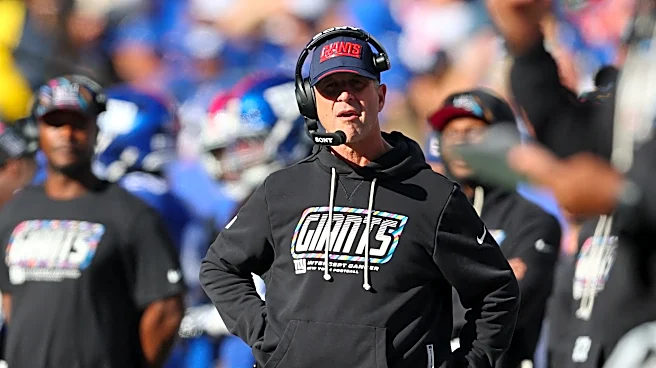
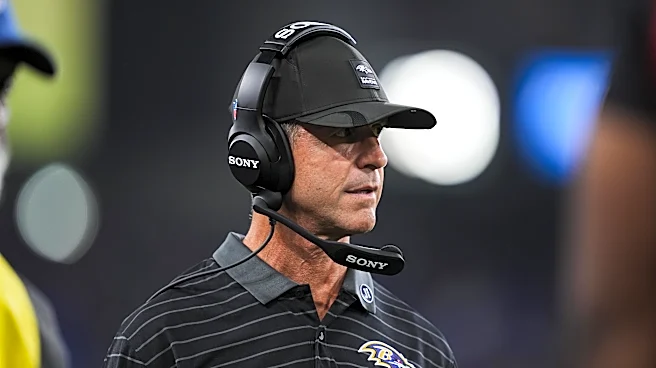
New York Giants head coach John Harbaugh made an unusual direct approach to Tennessee Titans owner Amy Adams Strunk in an attempt to trade for All-Pro defensive tackle Jeffery Simmons. This move bypassed the Titans' general manager, Mike Borgonzi. According
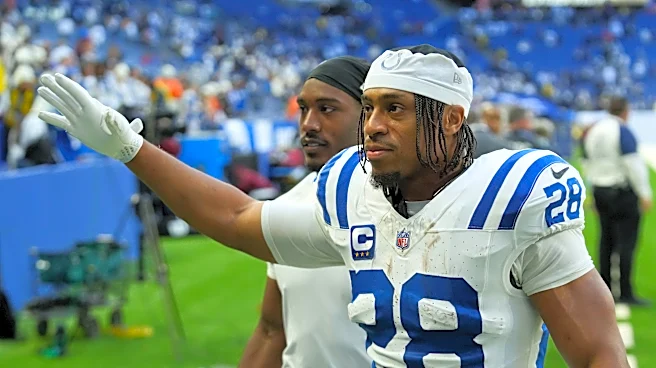
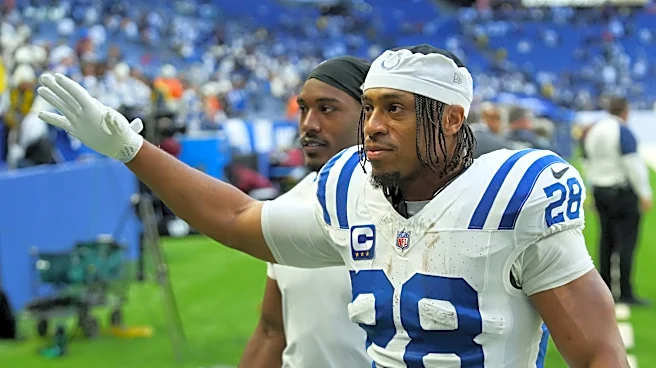
to The Athletic's Jonathan Jones, the attempt was unsuccessful, as Simmons was eventually traded to the Chicago Bears. This direct contact, along with the Giants' public disclosure of failed trade negotiations for Simmons and Indianapolis Colts running back Jonathan Taylor, has raised concerns within the NFL about the Giants' trustworthiness in future trade discussions. Charles Robinson of 'NFL Blue Book' noted that revealing private negotiations can deter potential trade partners, suggesting that the Titans may have been wary of the Giants leaking information, a concern that Robinson believes was validated by subsequent events.
Why It's Important?
The Giants' unconventional trade tactics, particularly John Harbaugh's direct communication with Titans owner Amy Adams Strunk, could significantly impact their future ability to execute trades within the NFL. Trust and discretion are crucial in league negotiations, and a perceived lack of either can lead other teams to be hesitant in engaging with the Giants. This situation highlights the delicate balance of maintaining good relationships between franchises, which is essential for successful player movement. If other teams view the Giants as unreliable in keeping trade talks confidential, it could limit their options for acquiring talent, potentially hindering their efforts to improve their roster and compete for playoffs. The incident also underscores the importance of established protocols in trade discussions, as bypassing general managers can create friction and undermine traditional negotiation channels.
What's Next?
As the NFL trade deadline approaches, the New York Giants may face increased scrutiny and reluctance from other teams to engage in trade talks, particularly for high-profile players. The team's strategy of publicly pursuing players and directly contacting owners could lead to a more challenging environment for future acquisitions. While Coach Harbaugh has indicated a commitment to aggressively improving the roster, the perceived erosion of trust might force the Giants to adjust their negotiation tactics or offer more substantial compensation to secure deals. Other teams will likely observe how the Giants navigate the current trade deadline and whether their recent actions impact their ability to make significant roster changes. The long-term implications could include a need for the Giants' front office to rebuild trust with other NFL organizations.
Beyond the Headlines
The incident involving John Harbaugh's direct contact with Amy Adams Strunk and the subsequent public disclosures of failed trades delve into the unwritten rules and ethical considerations of NFL team management. While aggressive pursuit of talent is common, the method employed by the Giants challenges established norms of inter-team communication and confidentiality. This could set a precedent, or conversely, serve as a cautionary tale, regarding how teams conduct their trade negotiations. It also raises questions about the balance of power and communication between coaching staff, general managers, and ownership in high-stakes decisions. The long-term impact could influence how the league perceives transparency versus discretion in trade talks, potentially leading to broader discussions about maintaining professional trust within the competitive landscape of the NFL.