



What's Happening?
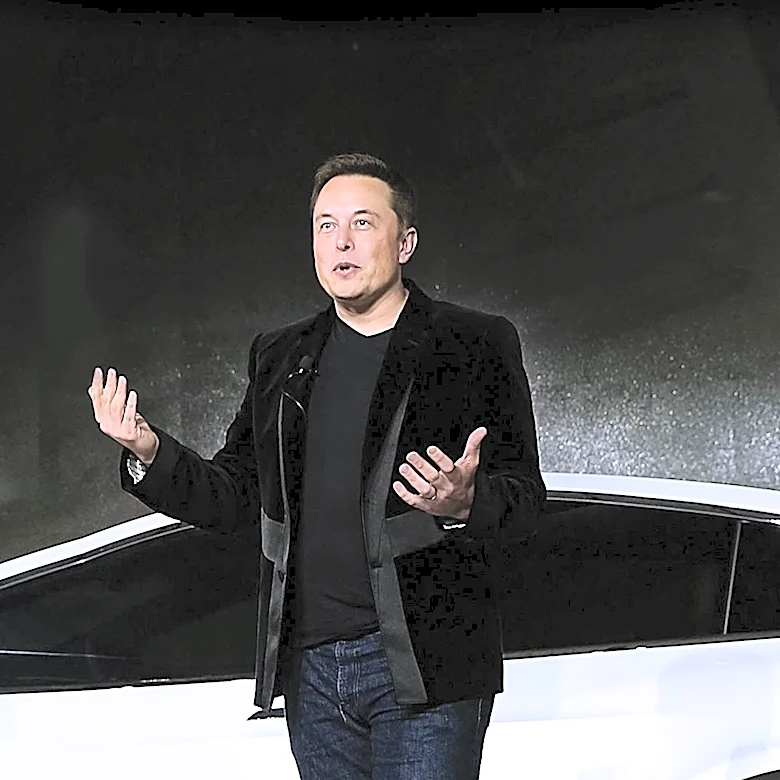
Chris Nassetta, President and CEO of Hilton, informed investors in April 2026 that over 80% of the company's business is now direct. Nassetta highlighted the strategic importance of artificial intelligence (AI) in further strengthening these direct relationships
with guests. This development comes as Google's AI Mode in the U.S. has begun facilitating hotel bookings through ten major chains and Online Travel Agencies (OTAs), including Hilton. However, independent hoteliers face a different challenge, as Google discontinued the ability for hotels to advertise in Hotel Ads campaigns without providing their own direct price feeds as of September 30. This change means that independent hotels without a direct price feed will no longer have their prices displayed on Google's hotel listings, potentially ceding visibility to OTAs and other resellers.
Why It's Important?
Hilton's focus on direct business, supported by AI, signifies a broader industry trend towards reducing reliance on third-party booking platforms. For major hotel chains like Hilton, increasing direct bookings can lead to higher profit margins by avoiding commissions paid to OTAs. The integration of AI, as mentioned by Nassetta, suggests an effort to personalize guest experiences and streamline booking processes, thereby enhancing customer loyalty and direct engagement. Conversely, Google's policy change regarding price feeds poses a significant challenge for independent U.S. hoteliers. Without a direct price feed, these hotels risk losing crucial visibility on Google, which is often the starting point for travelers' accommodation searches. This could force independent hotels to invest in new technological infrastructure or partner with connectivity providers to maintain their online presence, potentially increasing operational costs and competitive pressure from larger chains and OTAs.
What's Next?
The shift in Google's policy will likely compel independent U.S. hoteliers to re-evaluate their digital marketing strategies. To regain visibility on Google, these hotels will need to establish direct price feeds, either through their own Hotel Center accounts or by collaborating with connectivity partners. This could lead to increased adoption of property management systems and channel managers that integrate seamlessly with Google's platforms. For Hilton and other large chains, continued investment in AI and direct booking channels is anticipated, aiming to further solidify their market position and enhance guest relationships. The evolving landscape of online hotel distribution suggests a future where direct engagement and technological sophistication will be critical for competitive advantage, particularly for independent operators navigating Google's changing algorithms and policies.
Beyond the Headlines
The emphasis on direct bookings and AI by major players like Hilton, coupled with Google's evolving policies, highlights a significant power shift in the hospitality industry's distribution landscape. This trend could lead to a more consolidated market where larger chains with robust technological capabilities gain an even greater advantage. Independent hotels, often operating with fewer resources, face the ethical dilemma of either investing heavily in technology to compete directly or becoming more reliant on OTAs, which could erode their profitability and brand identity. The personalized pricing strategies, where Google displays different prices based on user data, also raise questions about transparency and fairness for consumers. This dynamic environment underscores the increasing importance of data ownership and direct customer relationships as hotels strive to maintain control over their inventory and pricing in an AI-driven digital marketplace.