







What's Happening?
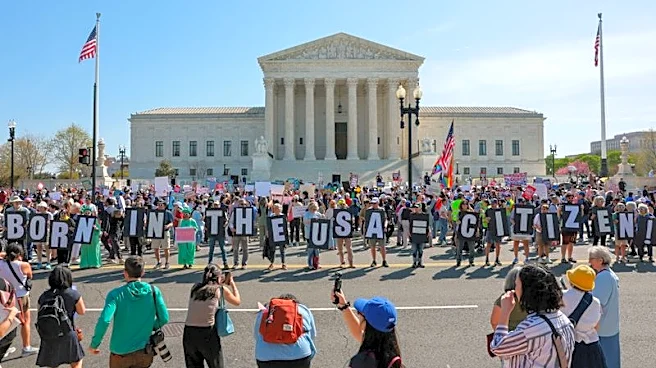
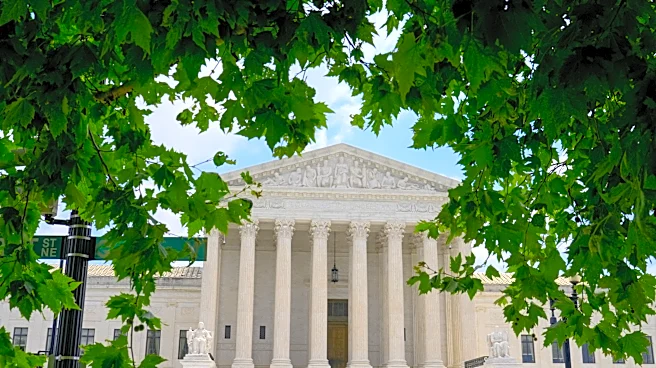
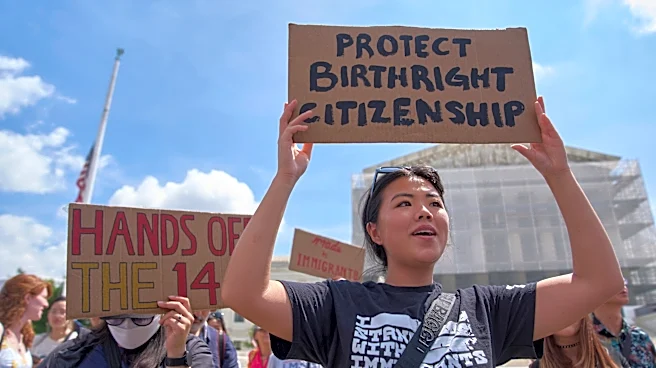
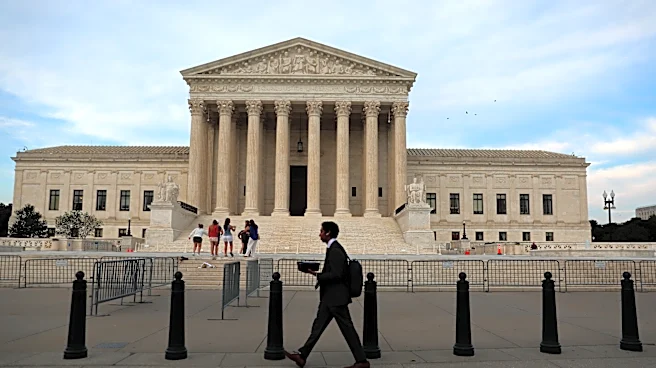
The Supreme Court's decision to uphold birthright citizenship is projected to have a significant positive impact on the U.S. economy. Research from the Center for Migration Studies estimates that individuals benefiting from this ruling will contribute
$7.7 trillion to the economy over their lifetimes. The decision prevents the denial of citizenship to approximately 255,000 people born in the U.S. each year, who would have otherwise been affected by President Trump's executive order. This ruling is seen as a victory for businesses and the broader economy, as it ensures a steady influx of new citizens who can participate in the workforce and contribute to economic growth.
Why It's Important?
The economic implications of the Supreme Court's ruling are substantial, as it preserves the potential contributions of a significant number of new citizens. By maintaining birthright citizenship, the U.S. can continue to benefit from the diverse talents and skills of individuals born to non-citizen parents. This decision supports the American Dream by fostering an inclusive society where immigrants and their descendants can thrive. The ruling also aligns with public sentiment, as a majority of Americans view immigration positively. The economic boost from this decision could help address challenges such as low employee engagement and financial insecurity, contributing to a more optimistic and stable economic environment.