




What's Happening?
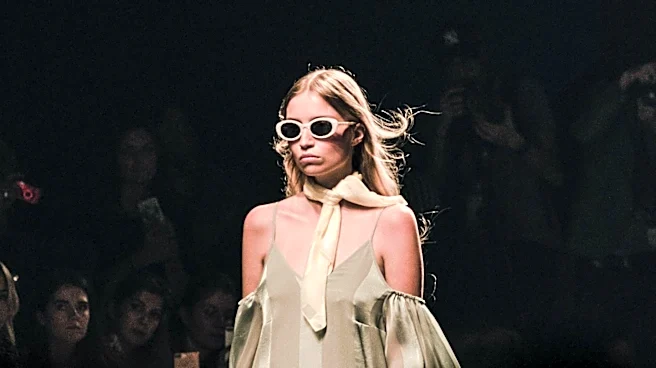
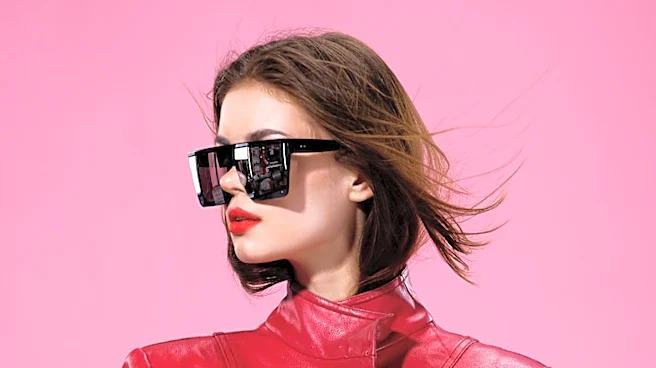
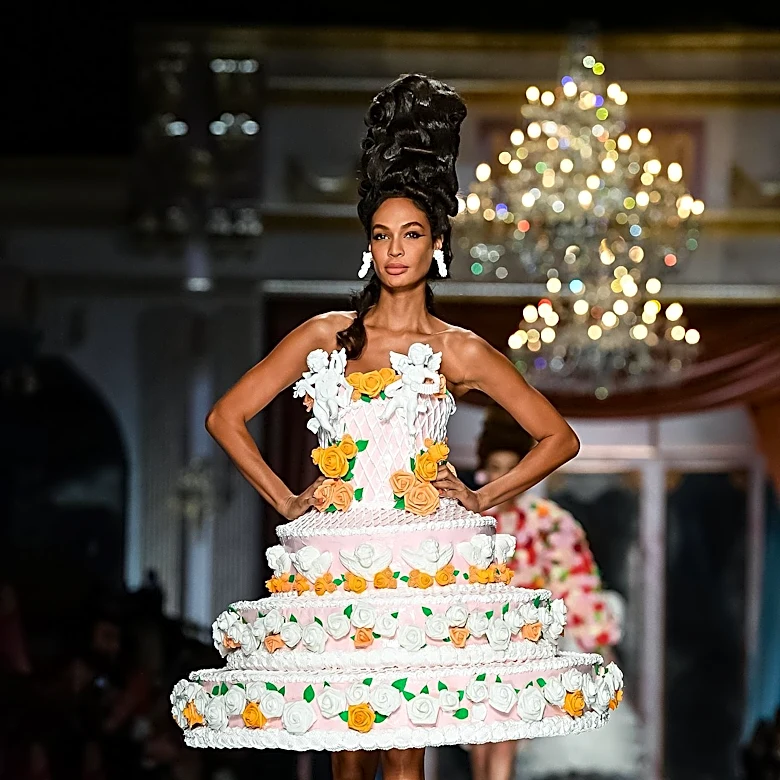
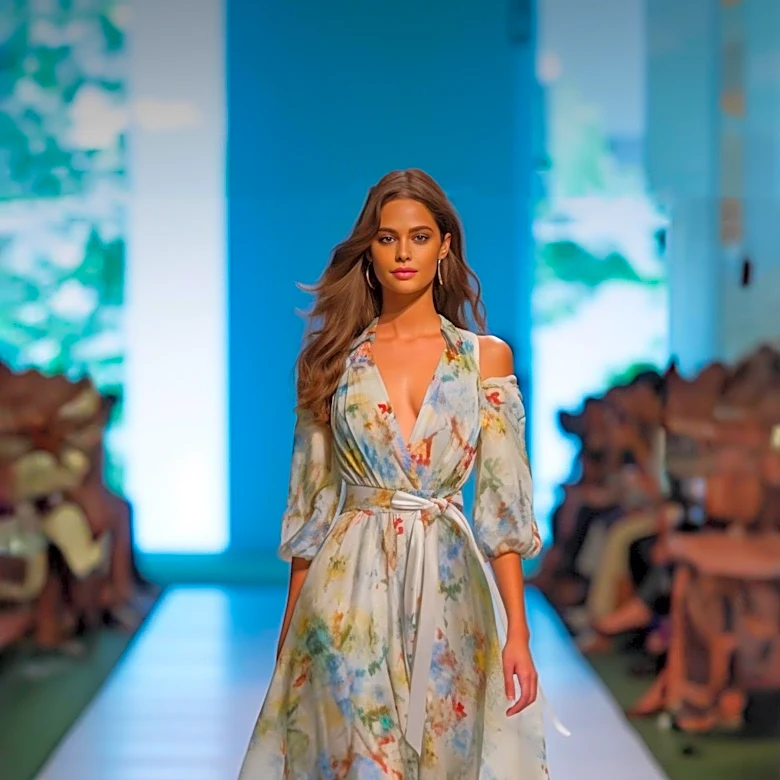
Fashion editorials are increasingly leveraging editorial models to creatively showcase designs and articulate brand narratives in magazines, lookbooks, advertising campaigns, and online media. These models are crucial for transforming simple fashion shoots
into impactful statements by bringing garments to life and conveying concepts. Key strategies for maximizing their effectiveness include selecting models that embody the shoot's theme, collaborating with talented teams of photographers, stylists, and creative directors, and developing compelling storylines around the editorial concept. Optimizing shooting techniques, such as lighting, angles, and movement, further enhances the visual appeal and engagement. Additionally, cultivating a strong social media presence is vital for sharing behind-the-scenes content and final images to engage audiences and drive traffic to campaigns. The goal is to create a meaningful narrative that adds depth to visuals and resonates with the target audience.
Why It's Important?
The strategic use of editorial models is important for the U.S. fashion industry as it directly influences brand perception, consumer engagement, and ultimately, sales. By effectively communicating a brand's story and aesthetic, fashion editorials can differentiate products in a competitive market. The emphasis on compelling storylines and optimized shooting techniques helps create aspirational content that drives consumer desire and loyalty. Furthermore, the focus on social media presence reflects the evolving landscape of fashion marketing, where digital platforms are critical for reaching and influencing diverse audiences. This approach not only supports the growth of established fashion houses but also provides opportunities for emerging designers and models to gain visibility, contributing to the economic vitality and creative innovation within the U.S. fashion sector.
What's Next?
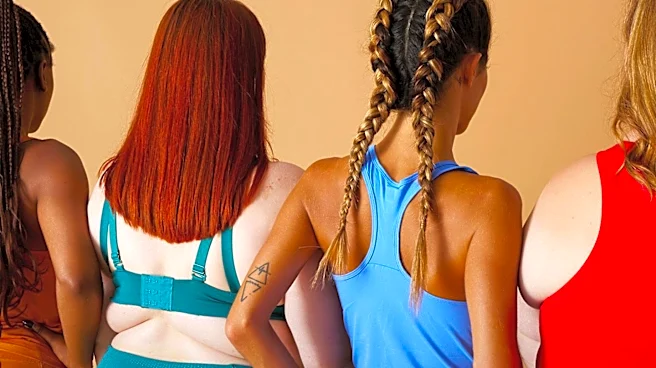
The fashion industry is expected to continue refining its approach to editorial content, with an increased focus on authenticity and diversity in model selection to resonate with broader demographics. There will likely be further integration of digital storytelling and interactive experiences, moving beyond static images to immersive content that leverages new technologies. Brands will continue to invest in collaborative efforts with skilled creative teams to produce high-quality, engaging visuals. The role of social media will expand, with more sophisticated strategies for audience engagement and content distribution. Additionally, there may be a growing trend towards sustainable and ethically produced fashion, influencing the narratives and themes explored in future editorials, reflecting evolving consumer values and industry standards.
Beyond the Headlines
Beyond the immediate commercial impact, the strategic use of editorial models in fashion editorials carries significant cultural and ethical implications. The emphasis on diversity in model selection can challenge traditional beauty standards and promote inclusivity, influencing societal perceptions of beauty and representation. The narratives crafted in these editorials can also reflect and shape cultural trends, values, and aspirations, extending their influence beyond mere product promotion. The collaborative nature of editorial production fosters a creative ecosystem, supporting a wide range of artistic and technical professionals. Moreover, the industry's evolving practices, particularly in digital engagement, highlight the ongoing shift in how art, commerce, and technology intersect, continually redefining the boundaries of visual communication and consumer interaction.