


What's Happening?
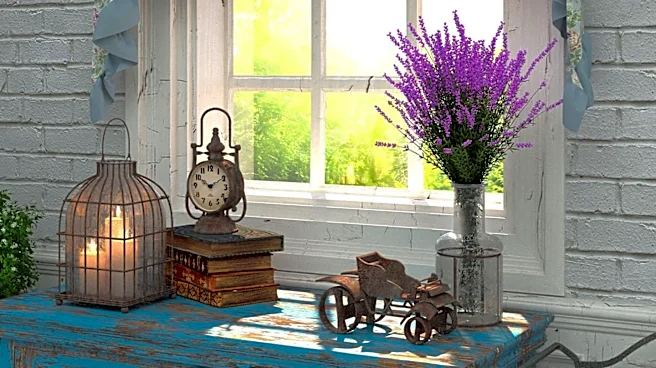
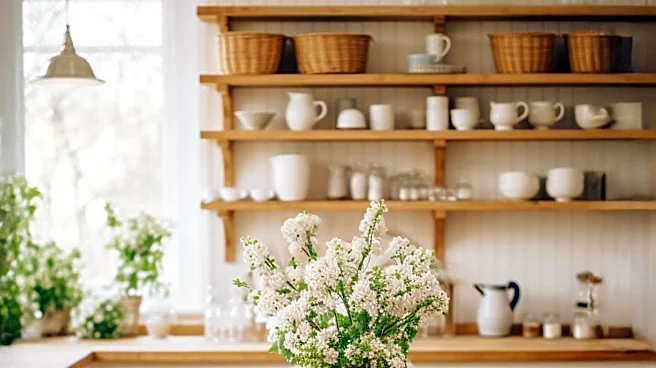
Modern farmhouse design is gaining popularity by combining the rustic charm of traditional farmhouses with the clean lines and functionality of contemporary spaces. This design philosophy emphasizes natural materials, soft color palettes, and open layouts,
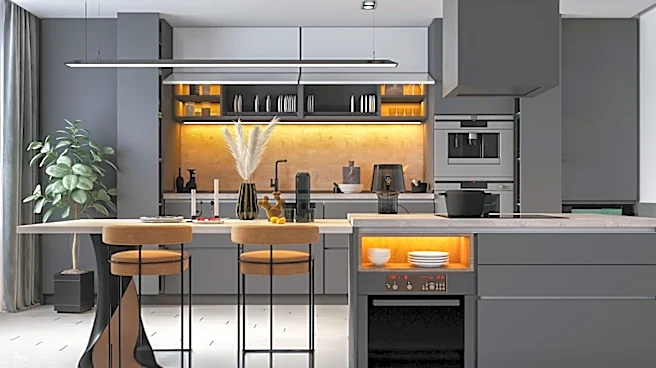
moving away from overly ornate details. Key elements include a timeless palette of whites, creams, and natural wood tones, along with natural textures like wood and stone. Open floor plans are central to this style, fostering a sense of spaciousness ideal for family life and entertaining. The design also prioritizes durable materials that can withstand daily use while maintaining their aesthetic appeal. This approach creates homes that are welcoming, functional, and easy to live in, appealing to those who desire comfort and character without sacrificing modern convenience. For instance, white paneled walls with exposed beams are a recognizable feature, brightening rooms while adding structural interest. Large kitchen islands often serve as the heart of these homes, reflecting the traditional farmhouse kitchen's role as a central gathering point.
Why It's Important?
The rise of modern farmhouse design reflects a broader societal trend towards comfort, functionality, and a connection to nature within the home environment. This style offers a practical solution for homeowners seeking a balance between aesthetic appeal and everyday living, moving away from designs that might feel too sterile or high-maintenance. Its emphasis on durable materials and timeless palettes means that homes designed in this style are likely to retain their value and appeal over time, offering a sound investment for U.S. homeowners. The integration of natural elements like reclaimed wood and stone, alongside modern conveniences such as underfloor heating and efficient plumbing, caters to a desire for both authenticity and comfort. This design trend also influences the construction and interior design industries, driving demand for specific materials and design services that align with the modern farmhouse aesthetic. The focus on open layouts and versatile spaces also supports evolving lifestyles, where homes often serve multiple functions, from family gatherings to remote work.
What's Next?
The modern farmhouse aesthetic is expected to continue evolving, with ongoing innovations in materials and construction techniques. Future developments may include further integration of smart home technology within the rustic framework, enhancing convenience without compromising the natural feel. There will likely be a continued emphasis on sustainable and locally sourced materials, aligning with growing environmental consciousness among consumers. Designers and builders will explore new ways to incorporate natural light and outdoor living spaces, such as covered porches and verandahs, to extend the functional footprint of homes. The trend may also see a diversification of color palettes, with subtle shifts in neutral tones and the introduction of more muted, nature-inspired hues. As homeowners increasingly seek personalized spaces, there will be a demand for customizable elements within the modern farmhouse style, allowing for unique expressions while adhering to the core principles of warmth, practicality, and timelessness. The market will likely see more products, such as wood-look and stone-look vitrified tiles, that offer the desired character with easier maintenance.
Beyond the Headlines
Beyond its aesthetic appeal, the modern farmhouse design movement signifies a cultural yearning for simplicity and authenticity in an increasingly complex world. It represents a desire to reconnect with traditional values of home and hearth, offering a sense of stability and comfort. The emphasis on natural materials and open, communal spaces can foster stronger family bonds and a more relaxed lifestyle, counteracting the stresses of modern life. Ethically, the movement could encourage more sustainable building practices and the use of eco-friendly materials, particularly as consumers become more aware of their environmental impact. The blend of old and new also reflects a broader societal trend of valuing heritage while embracing progress. This design choice can influence mental well-being by creating serene and uncluttered environments that promote calm and reduce stress, aligning with principles often found in Zen decor. The long-term impact could be a shift in architectural norms, favoring designs that prioritize livability, durability, and a harmonious relationship with the natural environment over fleeting trends.