







What's Happening?
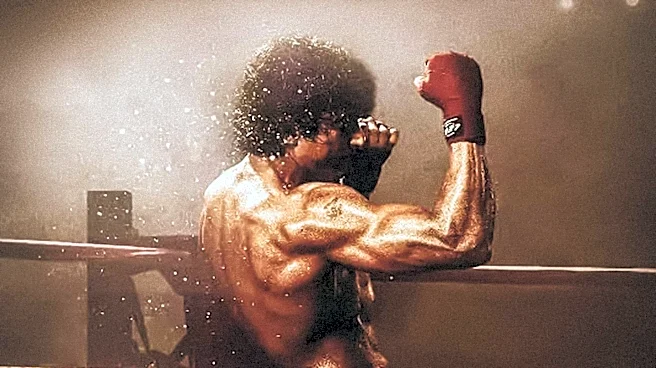
Jorge 'El Maromero' Páez, born in a circus in Mexicali, Mexico, on October 27, 1965, rose to become a world boxing champion known for his acrobatic and extravagant ring presence. Páez, who worked as an acrobat, clown, and juggler in his family's circus,
incorporated these skills into his boxing style, earning him the nickname 'El Maromero.' His professional debut was on November 6, 1984, where he secured a technical knockout. He gained significant attention, leading to a contract with HBO. Páez was famous for his theatrical ring entrances, often wearing elaborate costumes, including a wedding dress with a veil on one occasion. His career highlight came on August 4, 1988, in Mexicali, when he defeated American Calvin Grove for the IBF featherweight title in a 15-round bout, becoming the first Mexican IBF champion. He successfully defended his title nine times, including a rematch with Grove and victories over former champions Stevie Cruz and Troy Dorsey. He also unified titles by defeating Louie Espinoza to add the WBO belt.
Why It's Important?
Jorge 'El Maromero' Páez's career is significant for its blend of athletic prowess and showmanship, which captivated audiences and brought a new level of entertainment to boxing. His unique approach helped popularize the sport, attracting a wider viewership beyond traditional boxing fans. His success as the first Mexican IBF champion in the featherweight division also holds cultural importance, inspiring many in Mexico and beyond. Páez's ability to maintain a long and successful career, despite facing formidable opponents like Pernell Whitaker and Oscar De La Hoya, underscores his resilience and skill. His story highlights the diverse backgrounds from which athletes emerge and how personal history can shape a public persona, making him a memorable figure in boxing history.
What's Next?
After retiring from boxing in 2003 with a record of 79 wins, 14 losses, and 5 draws, Jorge Páez adopted the Jehovah's Witness faith and now preaches in Las Vegas, away from the boxing spotlight. Reports indicate he faces economic difficulties and memory loss, a consequence of his 19-year career. His former promoter, Ignacio Huízar, noted Páez's talent but also his challenges with training discipline. His former coach, Antonio Lozada, lamented that boxing has not fully recognized Páez's revolutionary impact on the sport, despite his ability to draw large crowds and attract television networks. Páez's current life involves living in an RV in Las Vegas and sharing his faith, a stark contrast to his flamboyant boxing career.
Beyond the Headlines
Páez's journey from a circus performer to a world boxing champion illustrates the transformative power of sports and entertainment. His story delves into the ethical considerations of athlete welfare, particularly regarding the long-term health consequences of a demanding sport like boxing, as evidenced by his reported memory loss. The narrative also touches upon the transient nature of fame and financial stability in professional sports, as Páez, despite his past success, now faces economic challenges. His post-boxing life, dedicated to his faith, highlights a personal quest for meaning beyond the ring. This transition raises questions about the support systems available to athletes after their careers end and the broader societal responsibility towards their well-being.