


What's Happening?
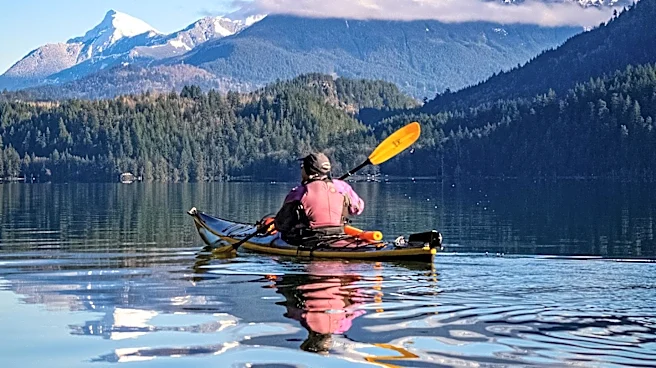
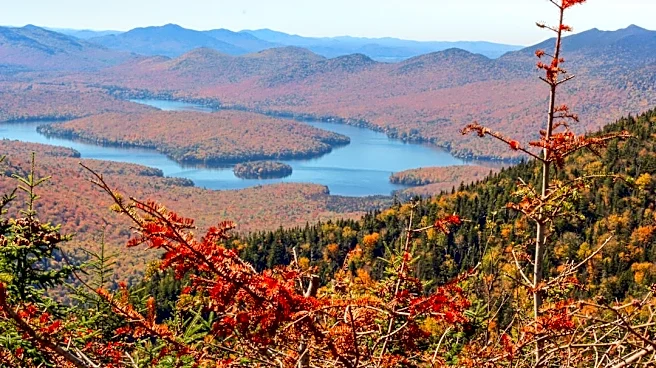
Cathy Webster, manager of the Northeast Disabled Athletic Association's adaptive kayaking program, is enabling paddlers with disabilities to independently experience the Adirondack waters. For 11 summers, Webster has led kayaking trips across the Northeast,
including a recent four-day excursion in the Adirondacks. Her program focuses on empowering independence by adapting equipment to individual needs. This involves outfitting kayaks with specialized gear such as high-back seats, pontoon-style outriggers for stability, and hull-mounted angled paddles. Webster, who is also a physical therapist, customizes solutions for each participant, ensuring they can safely and independently paddle. She emphasizes that the goal is to allow individuals to be self-sufficient on the water, rather than relying on tandem kayaks or constant assistance.
Why It's Important?
This adaptive kayaking program is crucial for enhancing accessibility and inclusivity in outdoor recreation for individuals with disabilities. By providing specialized equipment and personalized support, it breaks down significant barriers that often prevent people with physical limitations from participating in activities like kayaking. The program fosters independence and self-reliance, offering participants a unique sense of freedom and connection with nature that might otherwise be inaccessible. This initiative not only improves the quality of life for individuals with disabilities but also challenges conventional perceptions of outdoor sports, highlighting the importance of adapting environments and equipment to people, rather than expecting people to adapt to existing structures. It sets a precedent for how recreational organizations can innovate to serve a broader community.
What's Next?
The success and impact of adaptive kayaking programs like Webster's could inspire wider adoption of similar initiatives across national parks and recreational areas. There may be increased demand for specialized adaptive equipment, potentially driving innovation in manufacturing and design for inclusive outdoor sports. Advocacy efforts for greater accessibility in outdoor spaces, including ADA-compliant ramps and boat launches, could gain momentum, moving beyond basic infrastructure to more personalized adaptive solutions. Other outdoor sports organizations might look to the Northeast Disabled Athletic Association's model to develop their own adaptive programs, expanding opportunities for individuals with disabilities in activities such as hiking, skiing, and cycling. Continued funding and volunteer support will be essential for the growth and sustainability of these vital programs.
Beyond the Headlines
The adaptive kayaking program transcends mere recreation; it addresses profound psychological and social dimensions for individuals with disabilities. For many, participating in such activities offers a rare opportunity to feel 'normal' or to blend in, as expressed by participant Chelsea Scheefer, who noted the desire to be 'amongst everybody else.' This sense of belonging and freedom from being 'on display' can significantly boost self-esteem and mental well-being. Furthermore, the program challenges societal norms and expectations regarding disability, demonstrating that with creative solutions, physical limitations do not equate to an inability to engage in adventurous and fulfilling experiences. It promotes a more inclusive vision of society where outdoor spaces are truly for everyone, fostering a deeper appreciation for human ingenuity and resilience.