





What's Happening?
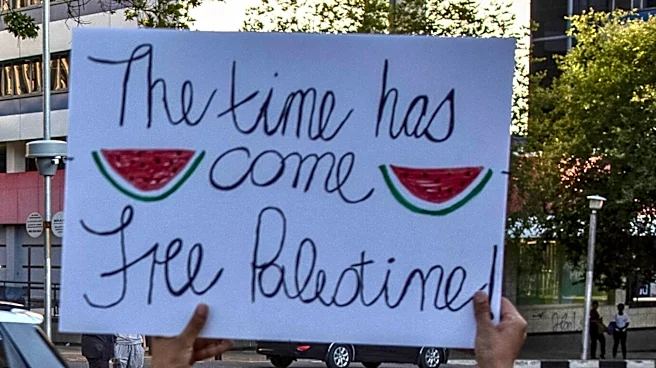
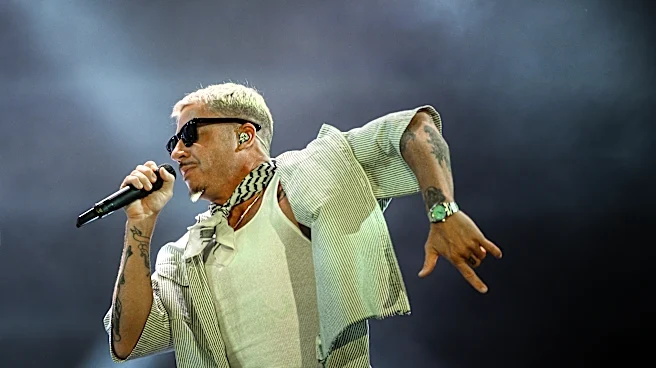
During his opening performance for Ed Sheeran’s Loop Tour at MetLife Stadium in New Jersey, rapper Macklemore vocalized support for Palestine, shouting “Free Palestine” and displaying footage of Gaza, the occupied West Bank, and pro-Palestinian demonstrations.
He also expressed solidarity with Lebanon, Cuba, Congo, Sudan, Iran, and individuals in America living in fear due to ICE. Following this, Macklemore performed his 2024 single “Hind’s Hall,” a song named after a Columbia University building occupied by pro-Palestinian student protestors. This performance has led the Israeli-American Council (IAC) to launch a petition calling for Macklemore's removal from all future dates of Sheeran’s tour. The petition, addressed to Ed Sheeran, MetLife Stadium leadership, and other tour organizers, questions whether Macklemore’s political speech and visual content were pre-approved and seeks to establish clear boundaries for political messaging on the tour stage. The IAC argues that the concert was not a political rally and that an opening act should not use a global platform to advance a one-sided political agenda.
Why It's Important?
This incident highlights the increasing intersection of celebrity platforms and geopolitical issues, particularly the Israeli-Palestinian conflict, within the U.S. entertainment landscape. Macklemore's public stance and the subsequent petition from the Israeli-American Council underscore the deep divisions and strong sentiments surrounding this conflict among various groups in America. For the entertainment industry, it raises questions about artistic freedom versus contractual obligations and the responsibility of tour organizers for the content presented by supporting acts. The petition's demand for clarification on pre-approval of political content could set a precedent for how artists and venues manage political expression during live performances. This event also reflects the growing trend of artists using their visibility to advocate for social and political causes, potentially influencing public opinion and sparking further debate among their fan bases and the broader public. The controversy could impact future collaborations between artists and the willingness of venues and promoters to host acts with strong political leanings.
What's Next?
The immediate next step will likely involve the response from Ed Sheeran, MetLife Stadium leadership, and other venues or producers to the Israeli-American Council's petition. They will need to decide whether to address the petition directly, clarify their policies regarding political content during performances, or take action regarding Macklemore's participation in future tour dates. The petition also seeks to establish clear boundaries for the use of the tour stage for political messaging, which could lead to discussions and potential policy changes within the music industry regarding artist expression. Macklemore's future performances and public statements will also be closely watched, as he has a history of advocating for Palestinian rights. The incident may also prompt further public discourse and potentially protests from both pro-Palestinian and pro-Israeli groups, depending on the responses from the tour organizers and Macklemore himself.
Beyond the Headlines
This event delves into the complex interplay between artistic expression, corporate responsibility, and geopolitical activism in the United States. It raises fundamental questions about the role of artists as political commentators and the extent to which their platforms should be regulated by tour organizers or public pressure groups. The controversy also reflects a broader societal trend where cultural events are increasingly becoming arenas for political and social commentary, blurring the lines between entertainment and activism. Ethically, it challenges the notion of neutrality in public spaces and forces stakeholders to confront the implications of allowing or restricting certain viewpoints. Legally, it could touch upon freedom of speech considerations versus contractual agreements. The long-term implications might include a re-evaluation of artist contracts to explicitly address political content, increased scrutiny of opening acts, and a more polarized environment for artists who choose to engage in political advocacy, potentially impacting their touring opportunities and public reception.