



What's Happening?
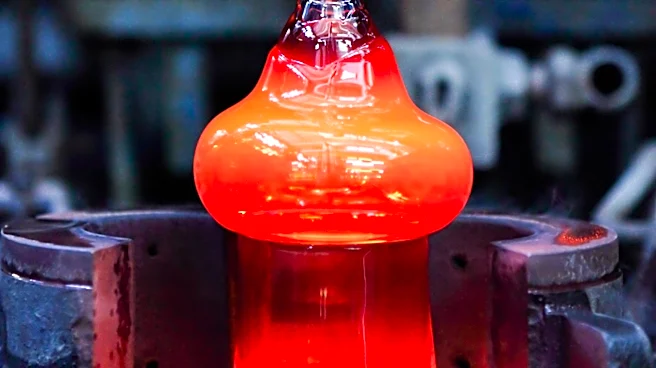
Scientists from Lawrence Berkeley National Laboratory, UC Berkeley, and Estonia’s National Institute of Chemical Physics and Biophysics have developed a process that converts carbon dioxide into solid carbon using molten salt electrolysis. This process,
which operates at 500°C (932°F), involves an electric current stripping oxygen atoms from CO2, depositing pure carbon onto a cathode. The research, published in Nature Communications, highlights the potential for producing battery-grade graphite, crucial for electric vehicle batteries. The study also addresses the challenges of scaling this process for industrial use, such as managing gas flow and heat distribution.
Why It's Important?
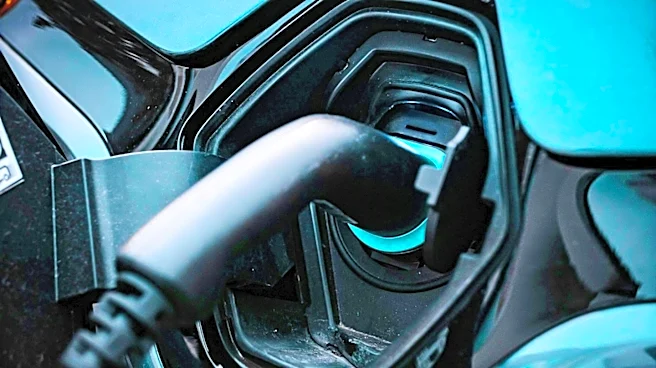
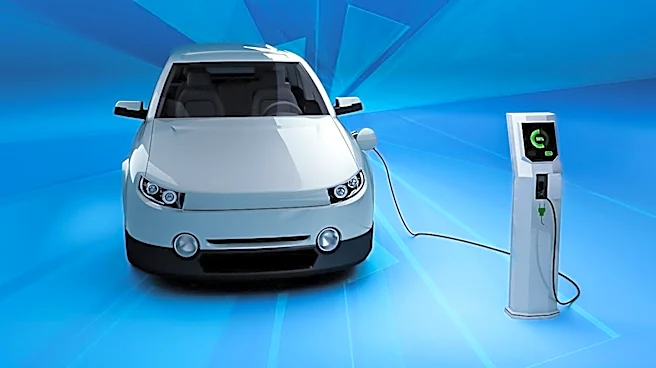
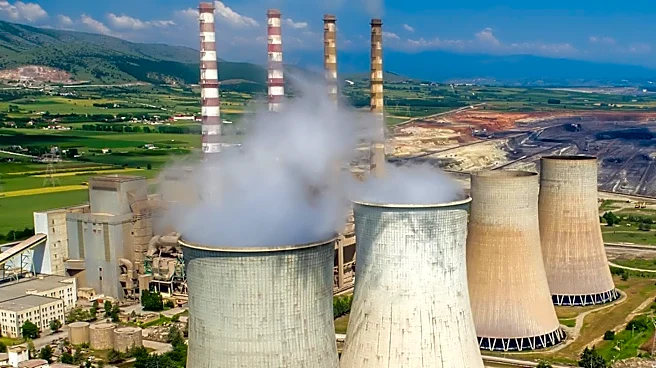
This development could significantly impact the electric vehicle industry by providing a sustainable source of battery-grade graphite, a critical component in EV batteries. By converting CO2 emissions into valuable materials, this process could help reduce industrial carbon footprints and support the growing demand for EVs. The ability to produce graphite from captured emissions aligns with global efforts to combat climate change and transition to cleaner energy sources. If successfully scaled, this technology could enhance the sustainability of battery supply chains and reduce reliance on traditional graphite mining.
What's Next?
The next steps involve optimizing the combinations of molten salts, electrode materials, and operational conditions to produce industrially viable amounts of graphite. Researchers will focus on overcoming engineering challenges to scale the process from laboratory to industrial levels. Successful scaling could lead to widespread adoption of this technology, potentially transforming how graphite is sourced for the EV industry. Stakeholders in the automotive and energy sectors may closely monitor these developments, as they could influence future strategies for sustainable material sourcing.