


What's Happening?
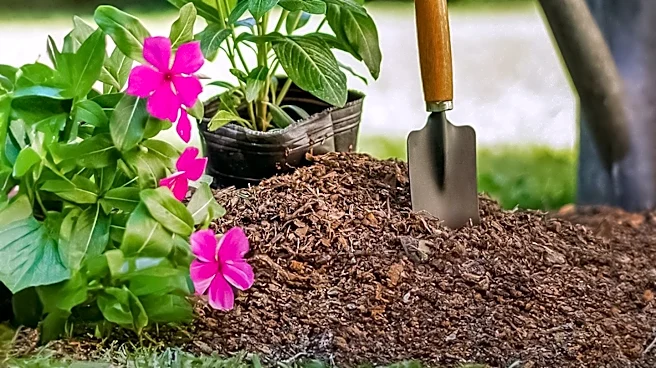
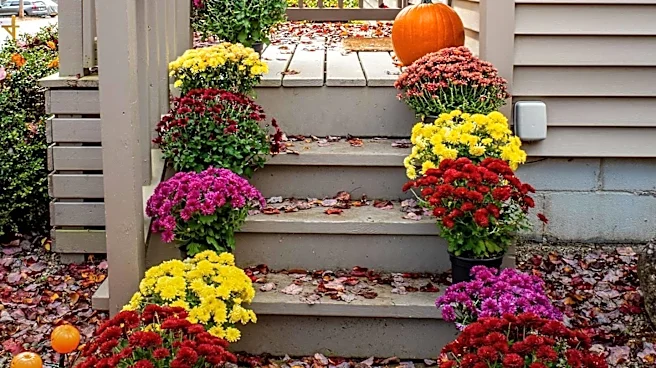
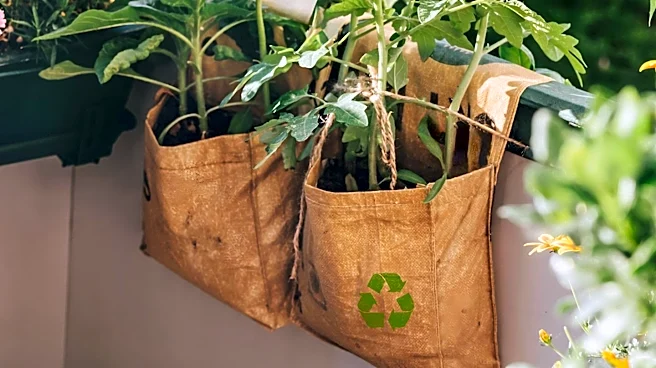
Container gardening provides a versatile method for cultivating plants in restricted areas such as balconies, patios, and small yards. This technique involves growing various plants, including tomatoes, peppers, and succulents, in pots or other planting
vessels. For instance, tomatoes thrive in containers of at least ten gallons. The practice can be enhanced through companion planting, where compatible plants are grown together to boost growth and deter pests. Essential elements for successful container gardening include using appropriate potting mix and ensuring adequate drainage. Succulents are particularly recommended for beginners due to their low maintenance requirements and drought resistance, making them an accessible entry point into this gardening style.
Why It's Important?
The increasing urbanization and shrinking residential spaces in the U.S. make container gardening an important solution for individuals seeking to grow their own food or cultivate plants. This method democratizes gardening, allowing city dwellers and those with limited land to engage in plant cultivation, contributing to food sovereignty and personal well-being. It offers a practical way to produce fresh produce, herbs, and flowers, potentially reducing reliance on commercial food systems for certain items. Furthermore, the educational aspect, particularly for children, in understanding where food comes from and the effort involved in growing it, fosters a deeper connection to nature and sustainable practices. The flexibility of container gardening also allows for experimentation with different plant varieties and growing conditions, adapting to diverse climates and personal preferences.
What's Next?
The trend of container gardening is likely to continue expanding, with increasing interest in urban farming and sustainable living. Future developments may include innovations in container design, self-watering systems, and specialized potting mixes tailored for various plant types. Educational initiatives and community programs could further promote container gardening, offering workshops and resources for beginners and experienced gardeners alike. The integration of technology, such as smart sensors for monitoring soil moisture and nutrient levels, could also make container gardening more efficient and accessible. As more people seek to connect with nature and grow their own food, the demand for practical and space-saving gardening solutions like container gardening is expected to rise.
Beyond the Headlines
Beyond its immediate benefits, container gardening fosters a sense of community and resilience. Gardeners often exchange plants, seeds, and knowledge, creating local networks that strengthen social bonds and promote shared learning. This communal aspect can be particularly valuable in urban environments, where opportunities for connection might be limited. Moreover, engaging in container gardening can have significant mental health benefits, offering a therapeutic outlet and a sense of accomplishment. The act of nurturing plants, observing their growth, and harvesting produce can reduce stress and improve overall well-being. It also encourages a mindful approach to consumption, promoting an appreciation for fresh, homegrown food and a deeper understanding of ecological cycles.