





What's Happening?
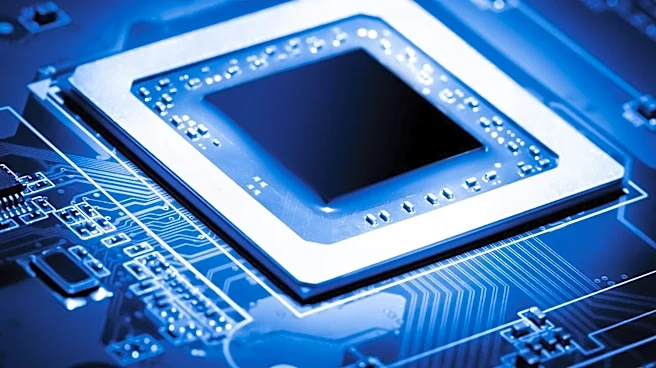
Building a personal computer with performance comparable to the PlayStation 5 Pro requires careful selection of components, balancing cost with performance. The CPU, such as an AMD Ryzen 5 9600X (Zen 5 architecture), is a primary consideration, though
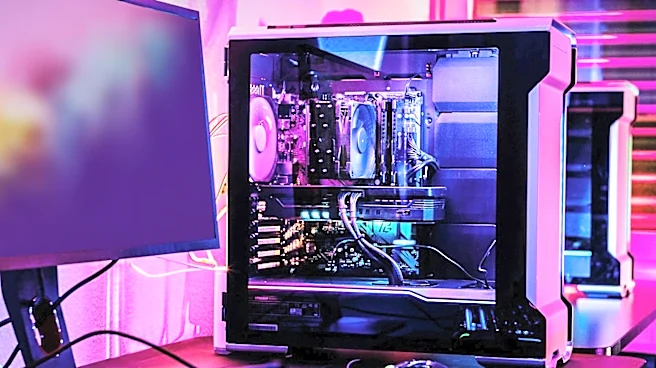
finding it at a discounted price is crucial to stay within budget. Motherboards can be more budget-friendly, with AM5-based options available for $100 or less, provided they support Wi-Fi 7, Bluetooth 5.1, M.2 NVMe SSD slots, 16GB DDR5 RAM, USB ports, gigabit Ethernet, and HDMI 2.1. The most challenging and expensive component is the GPU, with NVIDIA's GeForce RTX 3080 or 4070 Super, or AMD's Radeon RX 6800 or 7800 XT being the closest matches. To manage costs, purchasing a used or refurbished GPU is recommended. System RAM should be 16GB of DDR5, ideally under $200. Additional components include a case, a 750W power supply, and an M.2 NVMe SSD of 512GB or higher.
Why It's Important?
This detailed breakdown is important for U.S. consumers considering a PC build as an alternative to console gaming. It highlights the cost-efficiency often associated with consoles versus the flexibility and upgradeability of PCs. The high cost of GPUs and DDR5 RAM underscores current market conditions, influenced by factors like AI processing demand and cryptocurrency mining. For the U.S. electronics retail market, this information can guide inventory and pricing strategies for individual components. It also empowers consumers to make informed decisions, understanding the trade-offs between a pre-optimized console experience and a customizable, potentially more powerful, but also more expensive, PC setup. The emphasis on used components also points to the significant secondary market for PC hardware.
What's Next?
The cost and availability of PC components, particularly GPUs and RAM, are subject to market fluctuations driven by supply chain issues, technological advancements, and demand from various sectors like AI and cryptocurrency. Consumers planning such a build should continuously monitor prices and availability. Manufacturers will likely continue to release new generations of CPUs and GPUs, potentially altering the cost-to-performance ratio. The ongoing evolution of console hardware, such as the PlayStation 5 Pro, will also continue to set benchmarks for PC performance expectations, driving innovation and competition in the PC hardware market. The trend of consoles adopting more general-purpose architectures suggests a continued blurring of lines between console and PC gaming.
Beyond the Headlines
Beyond the technical specifications and costs, the decision to build a PC similar to a console reflects a broader cultural shift in gaming. While consoles offer a streamlined, plug-and-play experience, PCs provide unparalleled customization, access to a wider game library, and often superior graphical fidelity and frame rates. This choice often comes down to personal preference, budget, and technical aptitude. The high cost of building a comparable PC also highlights the value proposition of consoles, which are often sold at a loss to gain market share and profit from software sales. This dynamic influences how both console manufacturers and PC hardware companies strategize their product development and marketing efforts in the U.S. gaming landscape.